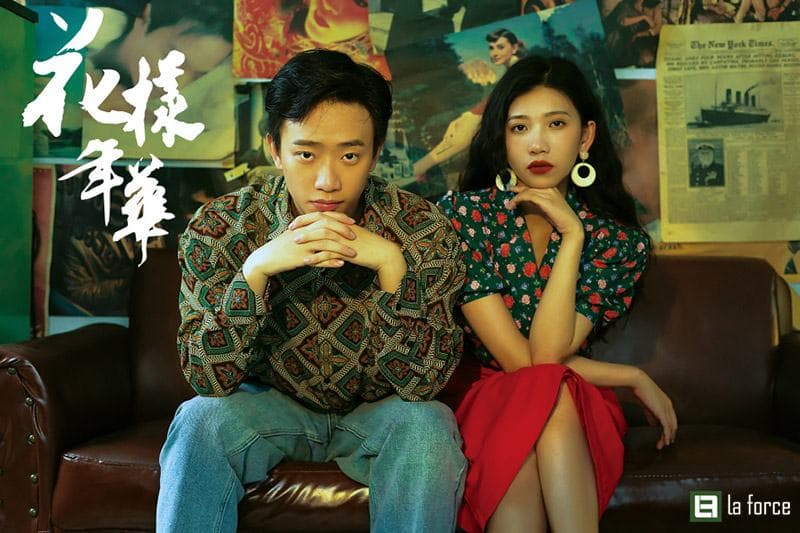
Vintage Hong Kong Aesthetic: How to Shoot & Color Grade Cinematic Photos
Read more
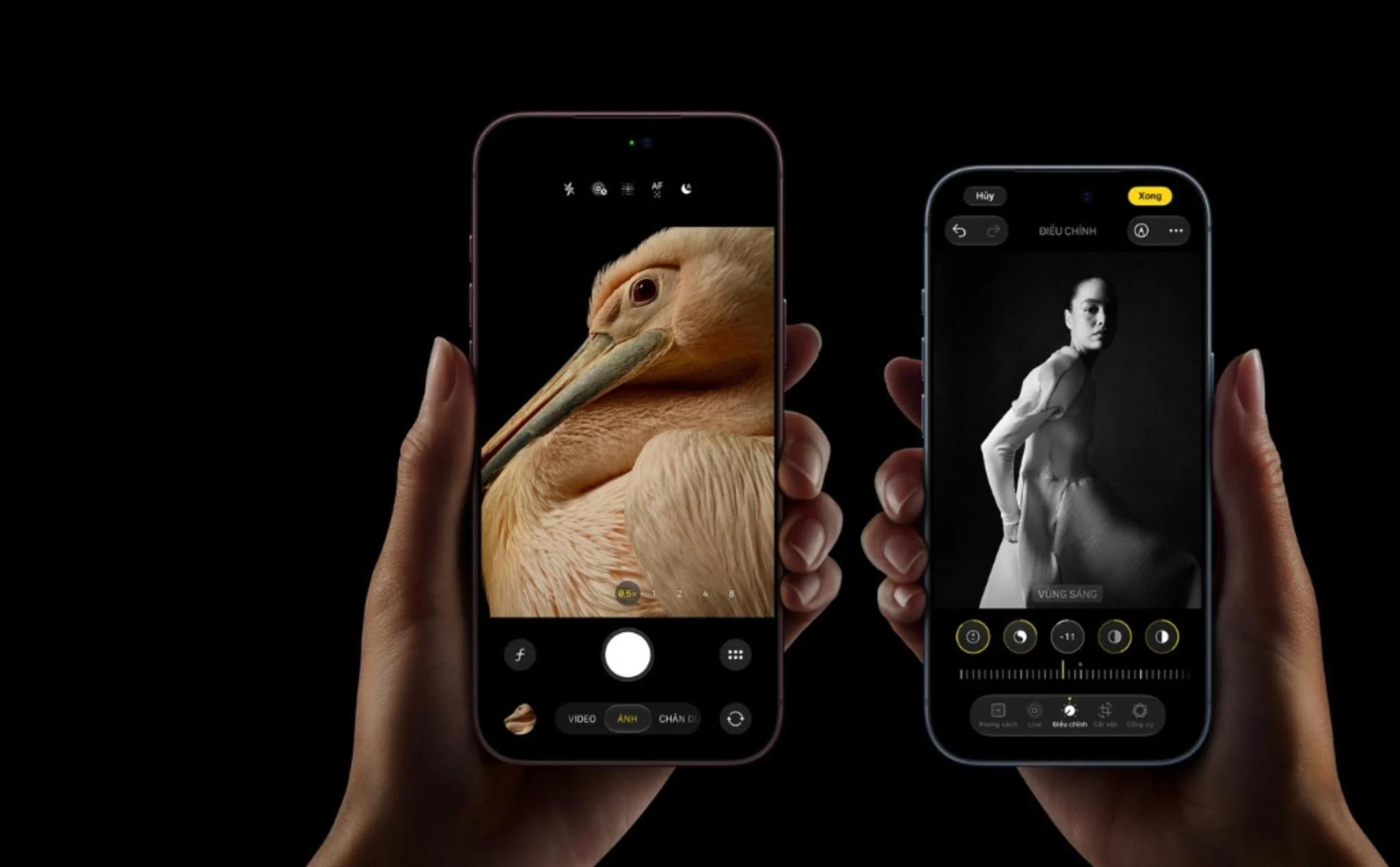
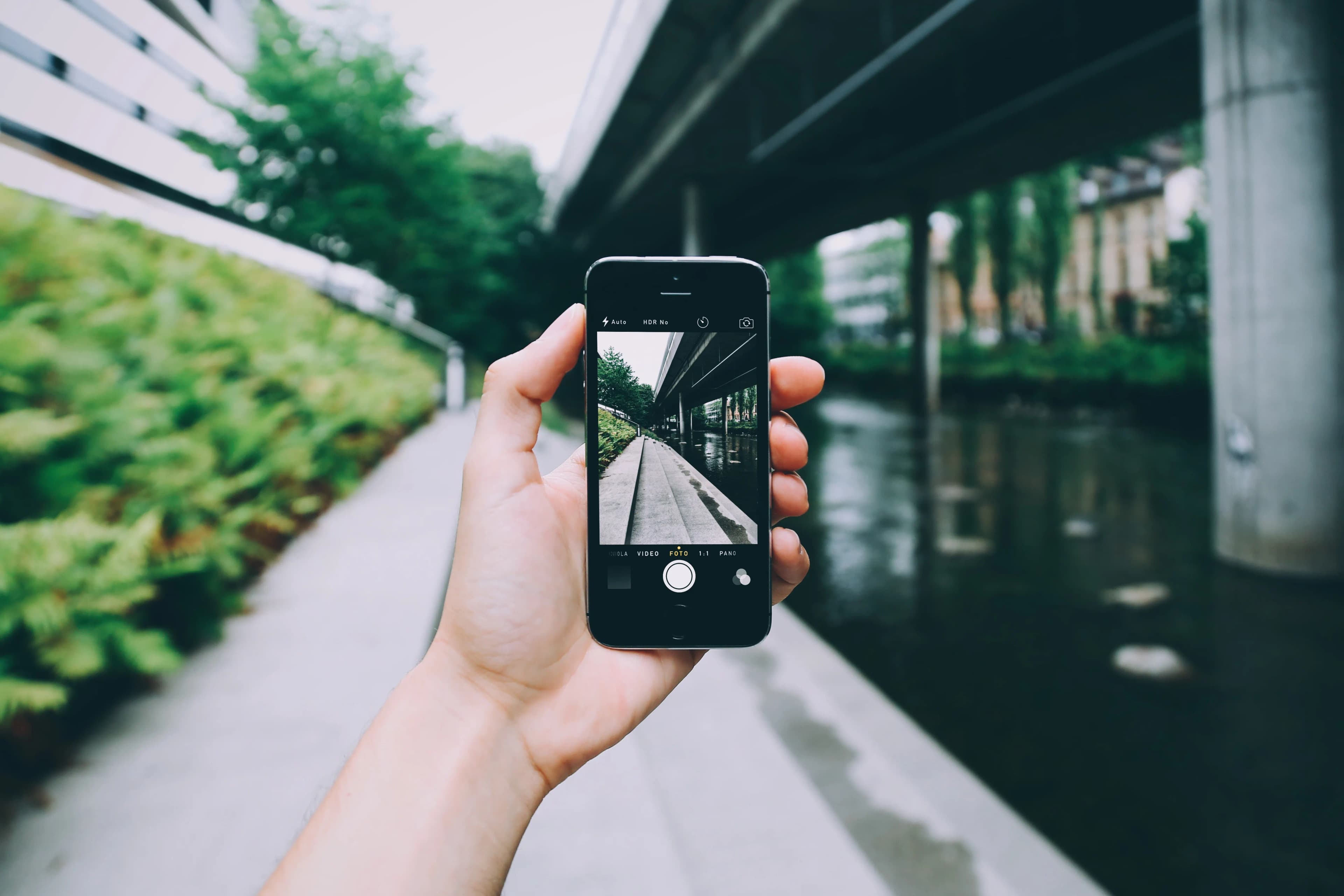
Let's be completely honest: The smartphone resting in your pocket right now possesses image-processing muscle far exceeding the computing systems that first landed humans on the Moon. It boasts triple-lens arrays, large sensors, computational HDR algorithms that balance dynamic exposure in fractions of a millisecond, and portrait modes so sophisticated that even loose strands of hair in the breeze are calculated with precision.
Even if you choose to invest in a modern hybrid mirrorless camera, real-time AI eye-tracking ensures you practically never miss focus.
So the obvious question arises: Why on earth should you spend hundreds or thousands of dollars to hire a stranger to take photos of you?
Is the professional photography industry merely surviving on sheer nostalgia? The short answer is: No. And the reason has absolutely nothing to do with megapixel counts.

Many people confuse the recording apparatus with human visual capability.
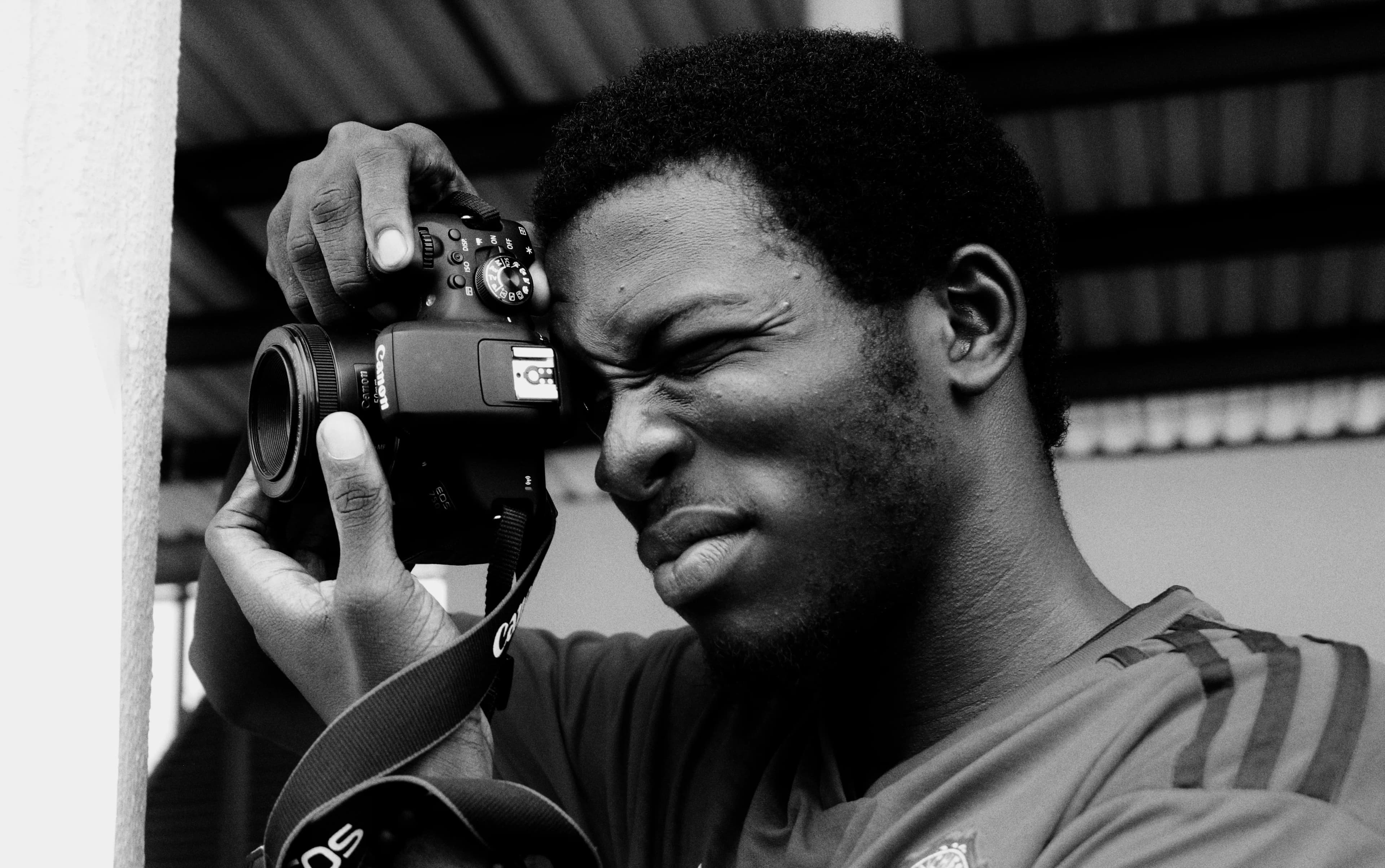
When you dine at a Michelin-starred restaurant and enjoy an unforgettable ribeye steak, you wouldn't wander into the kitchen to compliment the chef by remarking: "Your cast-iron skillet is so premium, no wonder the meat tastes incredible." Yet in photography, this exact bizarre exchange happens daily: "Your photos are so sharp, that camera must have cost a fortune!"

A flagship camera body or an elite prime lens cannot compose a frame on its own. It doesn't know how to step aside to eliminate a glaring yellow trash bin lurking behind a tree, it cannot remind you to lower your chin by two centimeters to flatter your jawline, and it certainly cannot discern whether your smile is genuine or a tired grimace after fifteen minutes of facial fatigue.
As we discussed in the history of the first camera: Gear is merely an optical medium executing decisions made by the brain behind the viewfinder. You are paying for 10,000 hours of intentional observation, years of creative failure, and the refined taste of the creator—not a few kilograms of magnesium alloy and optical glass.
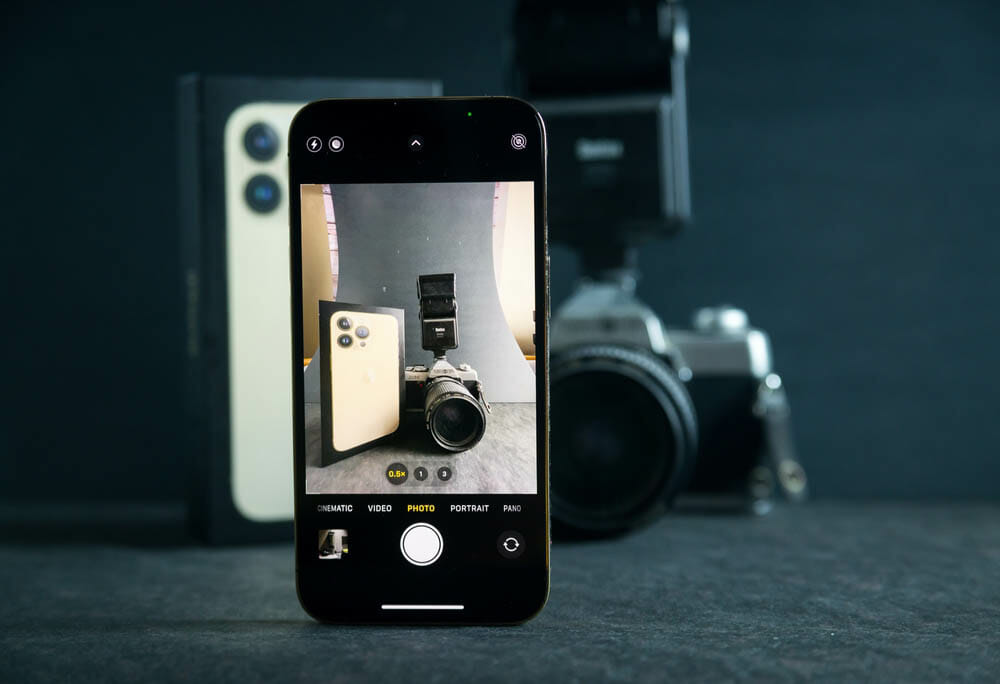
Smartphones achieve visual appeal through heavy-handed algorithmic intervention: lifting shadows aggressively, clamping down highlights, applying extreme digital sharpening, and hyper-saturating tones so images pop on tiny OLED displays.
Real life, however, does not unfold like a synthetic color preset. It carries deep moody shadows, harsh dramatic directional light, and organic skin textures—where human warmth lives rather than the airbrushed plastic wax look produced by automated AI filters.
This explains why Gen Z is hunting for vintage cameras and celebrating intentional imperfection over digital sterility. A real photographer respects available light and knows how to transform real-world flaws into raw emotional resonance.

If you've ever taken a flagship smartphone on vacation with your partner or attempted to organize a family celebration shoot yourself, chances are you have experienced these three familiar frustrations:
This is the timeless tragedy of every travel trip. Within every couple, group of friends, or family, there is always one person who is designated as the "dedicated photographer." The result after a four-day getaway:
When you hold the camera, you rob yourself of the right to fully experience the moment. You are occupied with framing, checking exposure, and managing everyone else's posture. Hiring a professional photographer is an act of buying back your presence inside your most precious life chapters.

Think about the last time you stood before an amateur friend's camera lens. The dialogue usually sounds like:
"Smile! Look natural... Wait, why do you look so frozen?"
The more you are commanded to "act natural," the stiffer you become.
The most demanding challenge for a seasoned portrait photographer is never pressing a shutter button—it is human psychological connection. They understand how to cultivate a relaxed environment where you forget the camera exists. They ask lighthearted questions to spark spontaneous laughter, and they anticipate the candid micro-expressions that happen when you look at your partner between poses. A memorable photograph is 90% relational empathy and 10% mechanical execution.
You might have a gorgeous wardrobe and meticulous makeup, but if you pose directly under the harsh overhead noon sun, deep unflattering shadows will sink your eye sockets like a raccoon and exaggerate facial fatigue.
Photographers are trained to read available light:
| Evaluation Metric | DIY with Smartphone / Personal Camera | Collaborating with a Thoughtful Photographer |
|---|---|---|
| Personal Presence | One person is always excluded from the frame | Everyone lives fully inside the authentic moment |
| Posing Anxiety | Awkward, self-conscious, tense facial muscles | Effortlessly guided, conversational, zero posing stress |
| Light Handling | Dependent on luck, weather, and AI guesswork | Intentionally directed for emotional depth and flattering form |
| Image Character | Over-sharpened for small phone screens | Wide dynamic range, bespoke color grading, archival print quality |
| Time & Energy | Draining self-management, sifting through 500 duplicates | Concise, storytelling collection delivered with peace of mind |

To be completely fair, not every moment demands a hired creative. You should proudly shoot photos yourself when:

Photography, at its deepest level, is never merely about recording physical objects. It is about how someone sees the world—and how they see you.
When taking self-portraits, you invariably recreate the same safe angles you believe you look good in. But an experienced photographer reveals unseen dimensions of your personality: a reflective pause gazing out a window, a gentle tilt of the head in contemplation, or the authentic sparkle in your eyes when speaking about something you love.
The flagship smartphone you bought this year will feel outdated in twenty-four months. But a visual editorial captured with emotional depth, human empathy, and timeless color craft will retain its heartfelt value decades from now.
That is why humans will always need photographers with taste.
Smartphone portrait modes look very smooth now. How does that differ from real optical lens bokeh? Smartphone portrait mode relies on computational software blur, estimating artificial depth maps and blurring pixels digitally, which often clips loose hair or blurs natural edge transitions. A dedicated camera produces pure optical bokeh through physical lens apertures, creating an authentic, buttery transition from tack-sharp subject to three-dimensional background depth.
I get very nervous and have no idea how to pose. Should I still hire a photographer? Those who feel awkward in front of the lens benefit the most from a skilled professional. A seasoned photographer will never force rigid, unnatural poses. Instead, they structure the session around relaxed conversation and gentle exploration, capturing natural in-between moments when you're completely at ease.
What does a professional photography fee actually cover? Your investment covers: the artist's dedicated creative time, depreciation of pro-grade camera and optical equipment, mastery of lighting and posture coaching, meticulous hand-curated color grading, and most importantly, the photographer's signature artistic vision.