The boundary between a newcomer to photography (Newbie) and a professional photographer (Pro Photographer) is often misunderstood as lying in the price of the camera body or the number of high-end lenses.
In reality, as we have seen in the Camera Types Guide for Photographers, equipment is merely an execution tool. The decisive difference lies in problem-solving mindset, consistency in all conditions, the ability to master light, and the project operation workflow.
1. Consistency vs. Pure Luck
Consistency(CLICK TO EXPAND)
EDITORIAL ARCHIVE // SOURCE: PEXELS
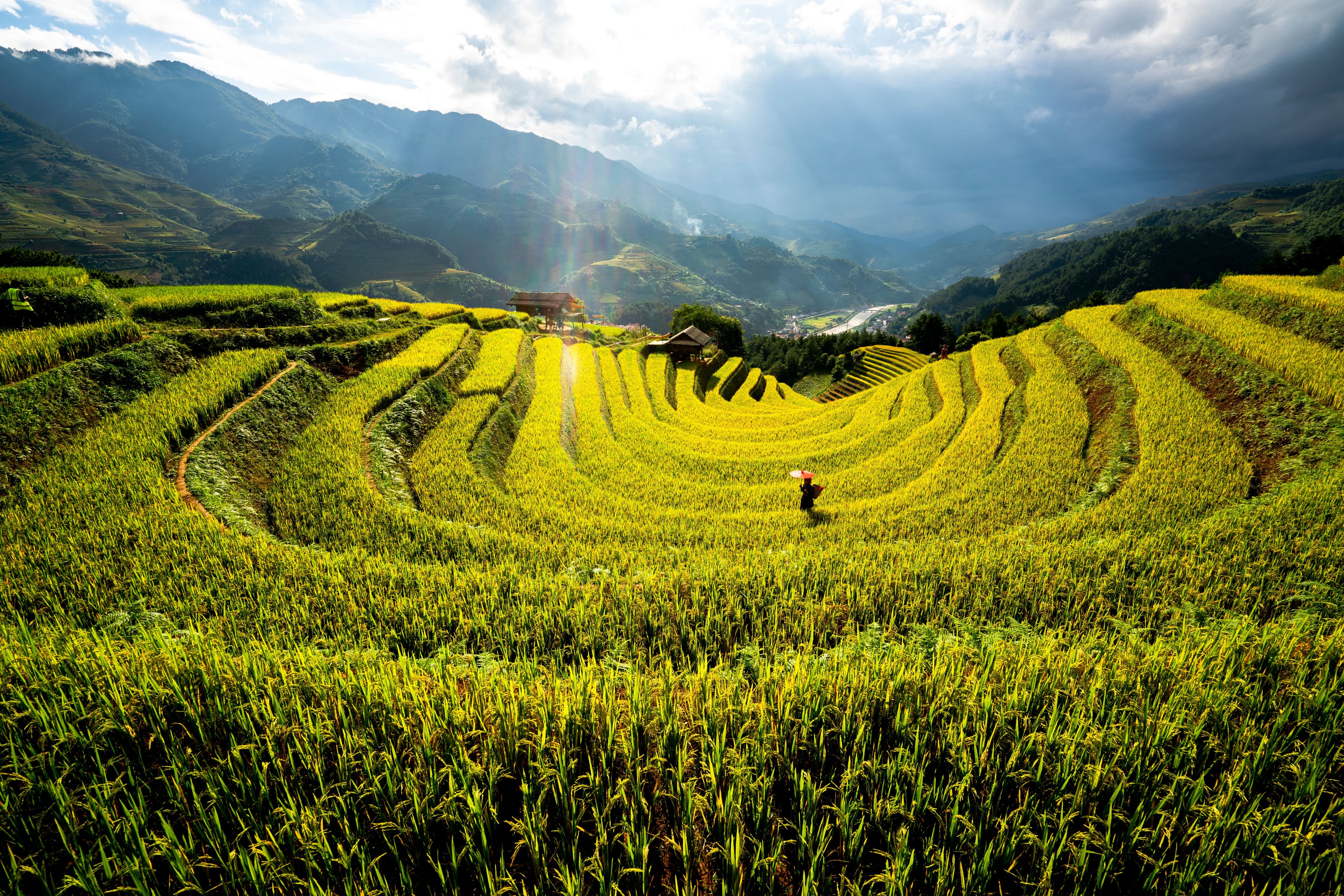
- Newbie: Shoots 1,000 photos to pick 5 excellent ones thanks to random moments or accidentally perfect environmental conditions. When encountering bad weather, complex lighting, or time pressure, image quality drops severely.
- Pro Photographer: Can produce 9/10 standard results in 100% of their shots, whether shooting in a standard studio, during a rainstorm, or in a banquet hall with chaotic lighting.
Being professional doesn't mean never making mistakes; it's the control to never deliver a product below the committed standard.
2. Mastering Light vs. "Hunting" for Light
Lighting(CLICK TO EXPAND)
EDITORIAL ARCHIVE // SOURCE: PEXELS
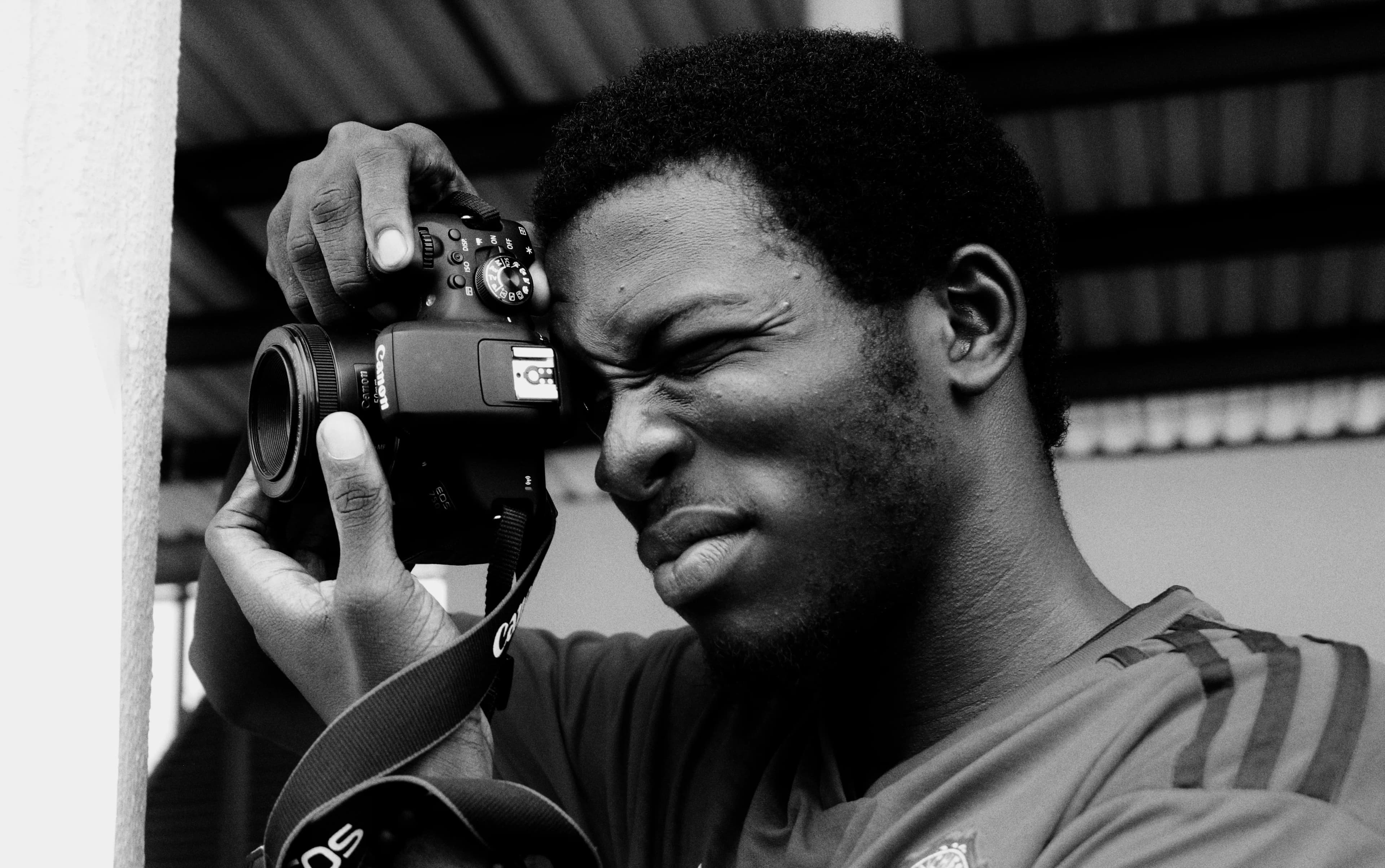
- Newbie Mindset: Passively looks for available beautiful light ("golden hour", corners with existing spotlights). When the light fades or the source becomes harsh (12 PM noon sun), beginners are often confused and rely entirely on the exposure slider in post-production software.
- Pro Mindset: Understands the physical nature of light (intensity, direction, quality, color temperature). If natural light doesn't meet the visual intent, a Pro will create or modify the light source using flashes, reflectors, and diffusers to properly serve the story's concept.
3. Pre-production and Risk Management
Pre-production(CLICK TO EXPAND)
EDITORIAL ARCHIVE // SOURCE: PEXELS
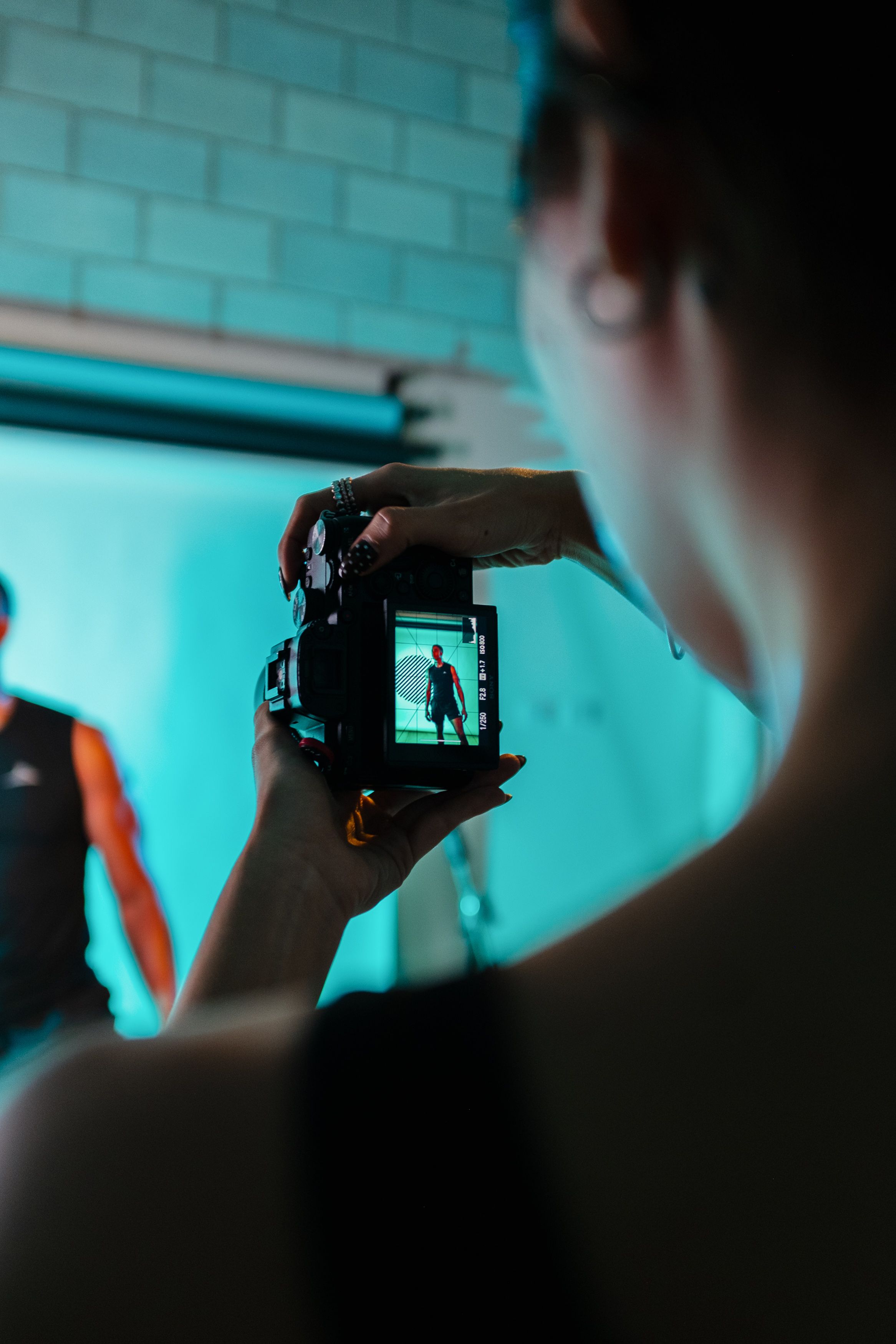
- Newbie: Arrives at the shoot with the mindset of "just shoot and figure it out later." Often lacks a detailed moodboard, doesn't do location scouting beforehand, and has no backup plan when the camera malfunctions.
- Pro Photographer: 70% of the shoot's success is determined before pressing the shutter button for the first time.
- Builds detailed Moodboards, Shot lists, and Timelines for each hour.
- Prepares a Plan B for every situation: changing weather, equipment failure, drained batteries, corrupted memory cards.
- Always shoots with a camera featuring Dual Card Slots for real-time parallel backup.
4. Communication, Psychology, and On-Set Coordination
Communication(CLICK TO EXPAND)
EDITORIAL ARCHIVE // SOURCE: PEXELS
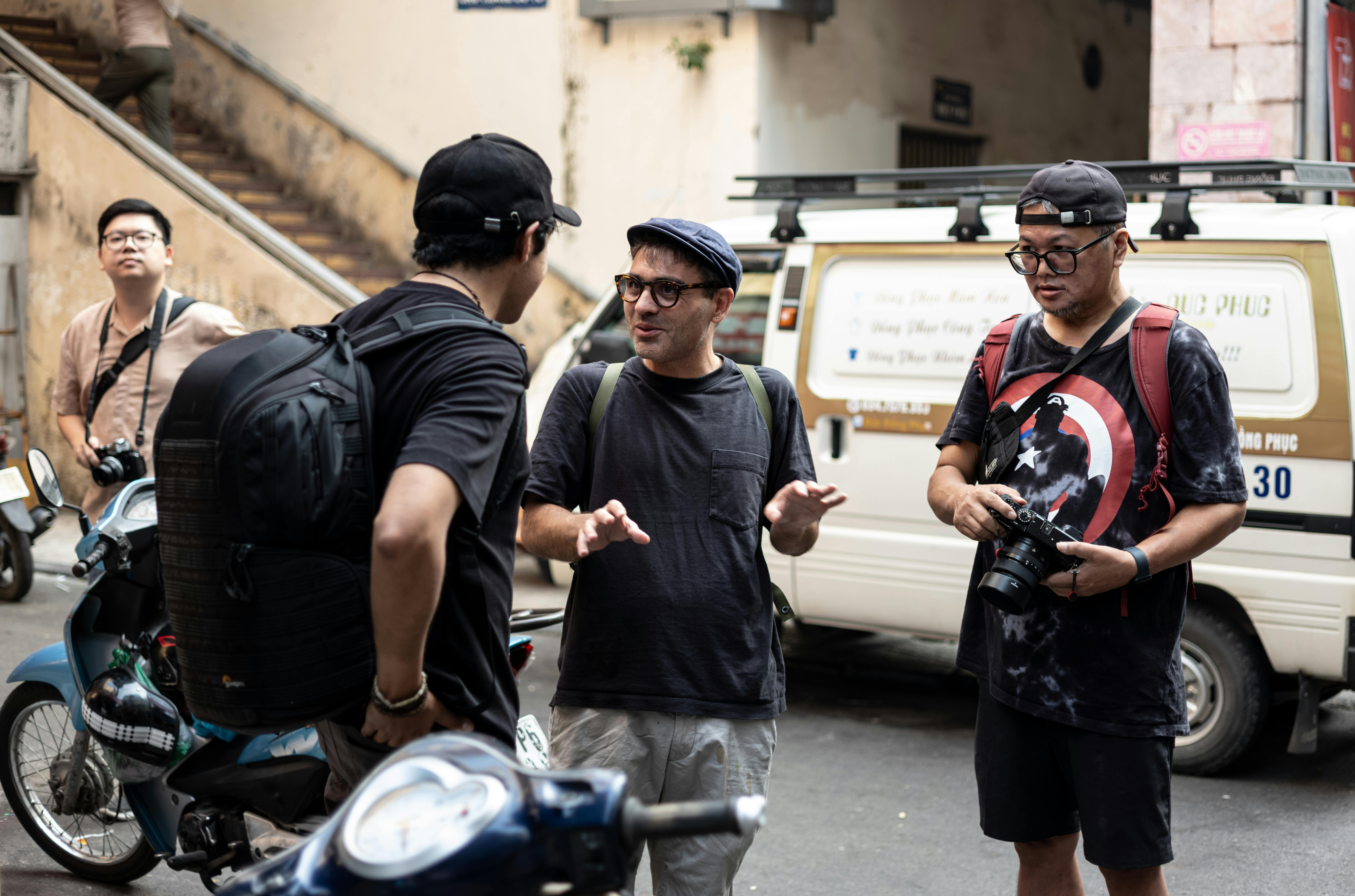
Camera operating skills only account for about 30% of the job; the remaining 70% is the ability to work with people.
- Newbie: Hides behind the lens, stays silent, and focuses solely on adjusting technical specs. This makes the model or client feel tense, awkward, and stiff.
- Pro Photographer: Acts as an emotional guide. They know how to converse, direct natural posing through body language, and create a comfortable environment for the subject to reveal their truest charisma.
5. Post-Production Workflow, Delivery, and Data Safety
Post-production(CLICK TO EXPAND)
EDITORIAL ARCHIVE // SOURCE: PEXELS
| Category | Newbie / Amateur | Pro Photographer |
|---|
| Color Grading | Applies random presets downloaded online, colors are inconsistent across photos. | Builds an accurate Color Palette according to the concept, colors are uniform across the entire set. |
| Retouching | Over-smooths skin using automatic filters, losing skin texture details. | Manual retouching (Dodge & Burn, Frequency Separation), keeping natural skin texture intact. |
| Data Management | Saves on a single hard drive or memory card. | Applies the 3-2-1 backup rule (3 copies, 2 different media types, 1 cloud/offsite copy). |
| Delivery Time | Often late or delivered sporadically on a whim. | Clear commitment in the contract regarding time, quantity, and delivery format. |
Advice for Photographers Looking to Transition
Mindset(CLICK TO EXPAND)
EDITORIAL ARCHIVE // SOURCE: PEXELS
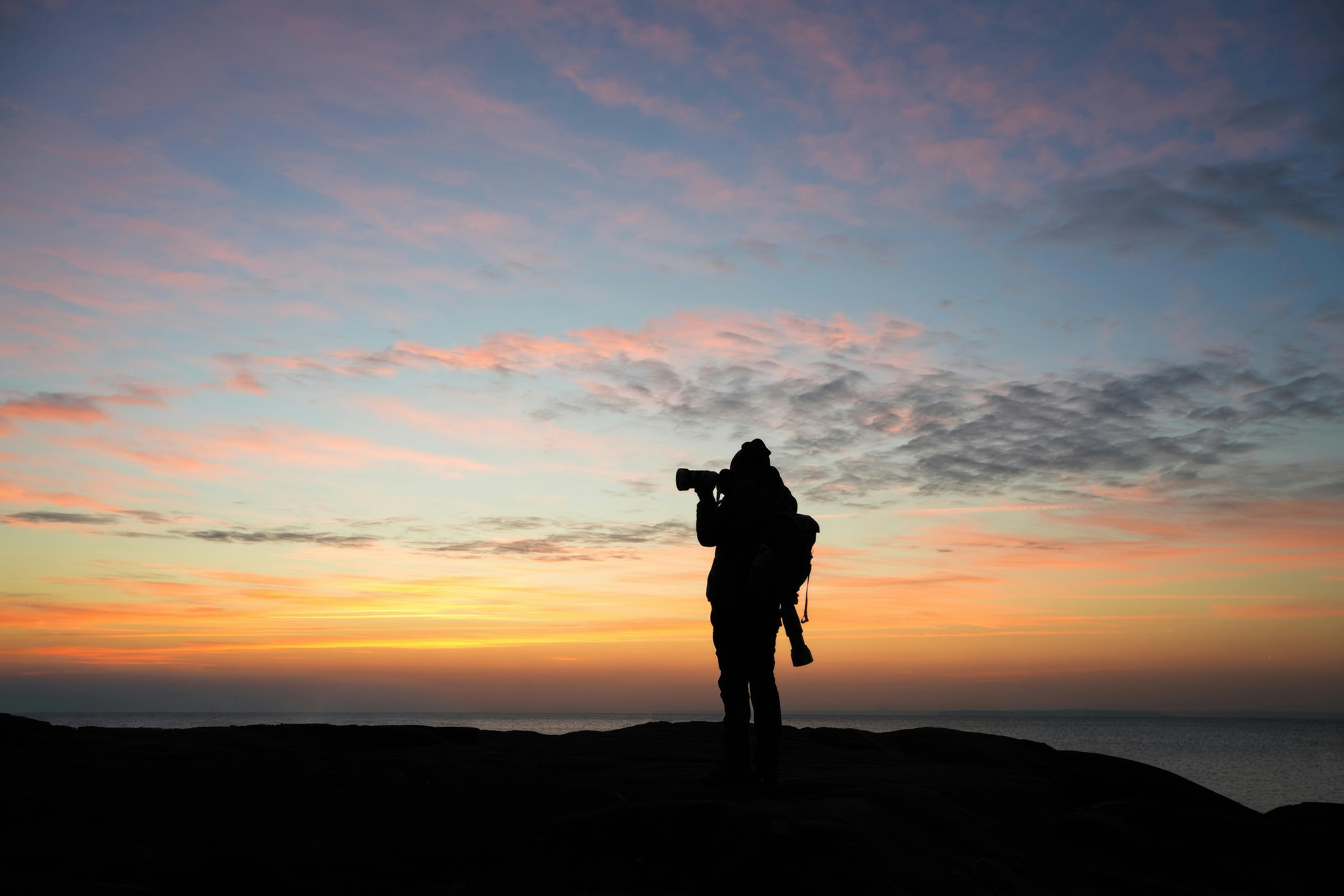
To bridge the gap from a Newbie to a Professional, shift your focus from "Which camera do I need to buy?" to "What problem can I solve for the shoot?".
Focus on practicing discipline in file management, learning deeply about artificial lighting, and honing your communication skills with clients — those are the true assets that shape a professional photographer.
Frequently Asked Questions (FAQ)
Is it mandatory to use a high-end Full-frame camera to become a Pro Photographer?
No. A Full-frame sensor supports better Dynamic Range and low-light shooting, but a Pro Photographer can absolutely create high-quality commercial work on an APS-C or Micro Four Thirds body thanks to perfect lighting control and composition.
What is the clearest sign that a beginner is ready to take on commercial projects?
When you can recreate the same style and photo quality across 10 different lighting contexts, accompanied by a contract process, data backup, and transparent delivery time commitments.