The current camera market is not short of models with outstanding specs: 8K recording, AI autofocus, tens of megapixels sensors. However, the best camera is not the most expensive one, but the one most suitable for your skill level and economic situation.
Whether you are looking for a compact travel camera or professional working equipment, this article will provide the most methodical investment roadmap.
1. Classifying Cameras by Sensor Size: The Core of Image Quality
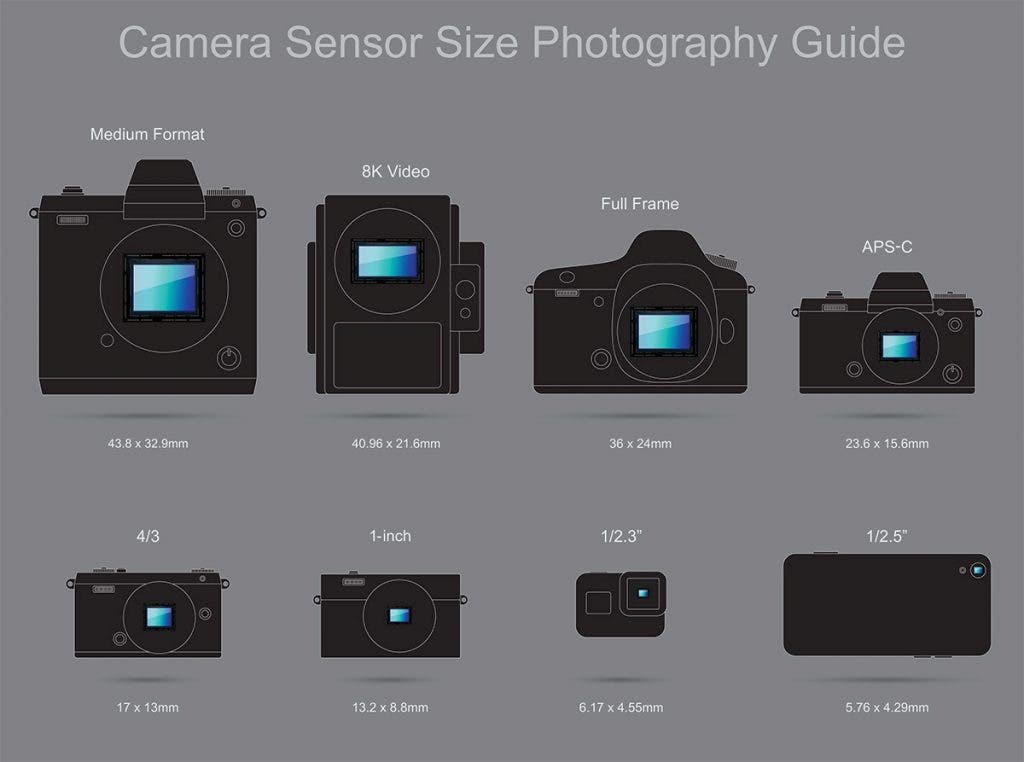
The sensor is the heart that directly determines dynamic range, low-light capability, and depth of field.
Sensor Sizes(CLICK TO EXPAND)
EDITORIAL ARCHIVE // SOURCE: INTERNET ARCHIVE
| Sensor Type | Crop Factor | Main Advantages | Limitations | Best For |
|---|
| Micro Four Thirds (M4/3) | 2.0x | Extremely compact, light lenses, great stabilization | Poor noise reduction in low light | Travel, Streetlife, Run-and-gun video |
| APS-C (Crop) | 1.5x (Sony/Fuji/Nikon) / 1.6x (Canon) | Perfect balance of value, size, and quality | Narrower field of view vs Full-frame | Beginners, Content Creators, Travel |
| Full-frame (35mm) | 1.0x | Excellent high ISO handling, wide dynamic range, smooth bokeh | High body and lens cost, heavy weight | Wedding services, events, portraits, commercial |
| Medium Format | < 1.0x (Larger than 35mm) | Extremely high resolution and color depth, smooth tonal transitions | Slow shooting speed, bulky, expensive | High-end Studio, High fashion, Commercial prints |
2. Mirrorless vs. DSLR: What is the Current Landscape?
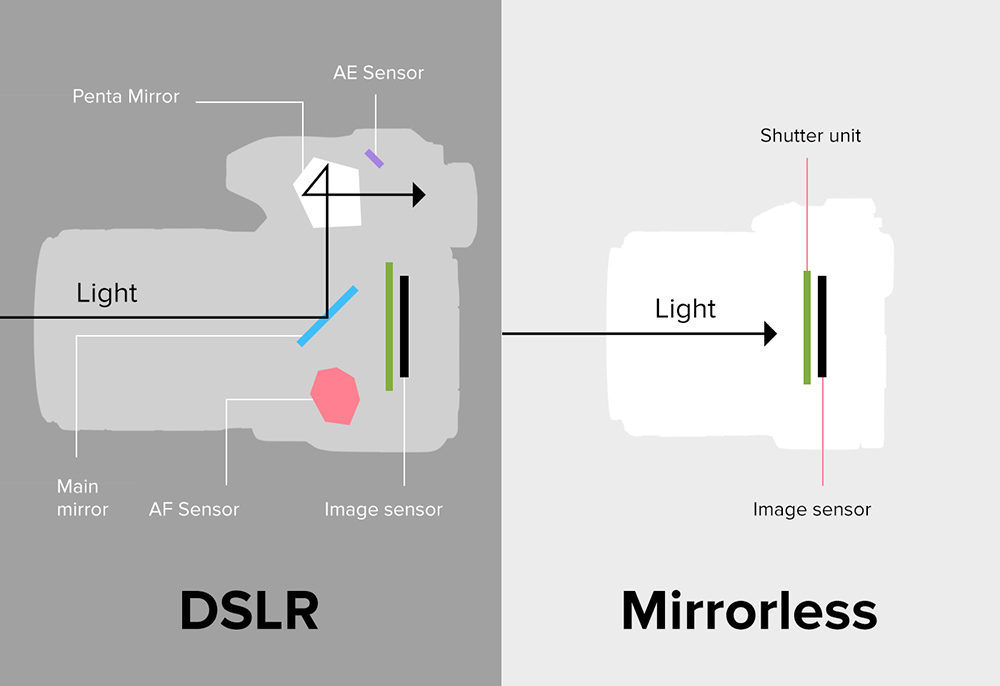
Mirrorless vs DSLR(CLICK TO EXPAND)
EDITORIAL ARCHIVE // SOURCE: INTERNET ARCHIVE
DSLR (Digital Single-Lens Reflex) was once the symbol of professional photography. However, current technology has clearly shifted:
- Mirrorless Cameras: Now the absolute standard of all major brands (Sony E-mount, Canon RF, Nikon Z, Fujifilm X/GFX). The overwhelming advantage lies in the real-time eye/face/object tracking autofocus system, electronic viewfinder (EVF) displaying the exact exposure before shooting, and optimized body thickness.
- DSLR Cameras: Although no longer prioritized by brands for new developments, DSLRs still hold unique value in mechanical durability, long battery life, and a highly accessible used lens market.
Practical recommendation: If buying a completely new camera at this moment, Mirrorless is the optimal choice to ensure lens system upgradability in the long run.
3. Choosing a Camera by Photographer Level (Practical Investment Roadmap)
Level 1: Beginner / Hobbyist
- Goal: Master the exposure triangle (Aperture - Shutter Speed - ISO), practice composition, and get familiar with controls.
- Features to look for: Compact, intuitive interface, affordable, affordable kit/fast prime lens ecosystem.
Typical Representatives:
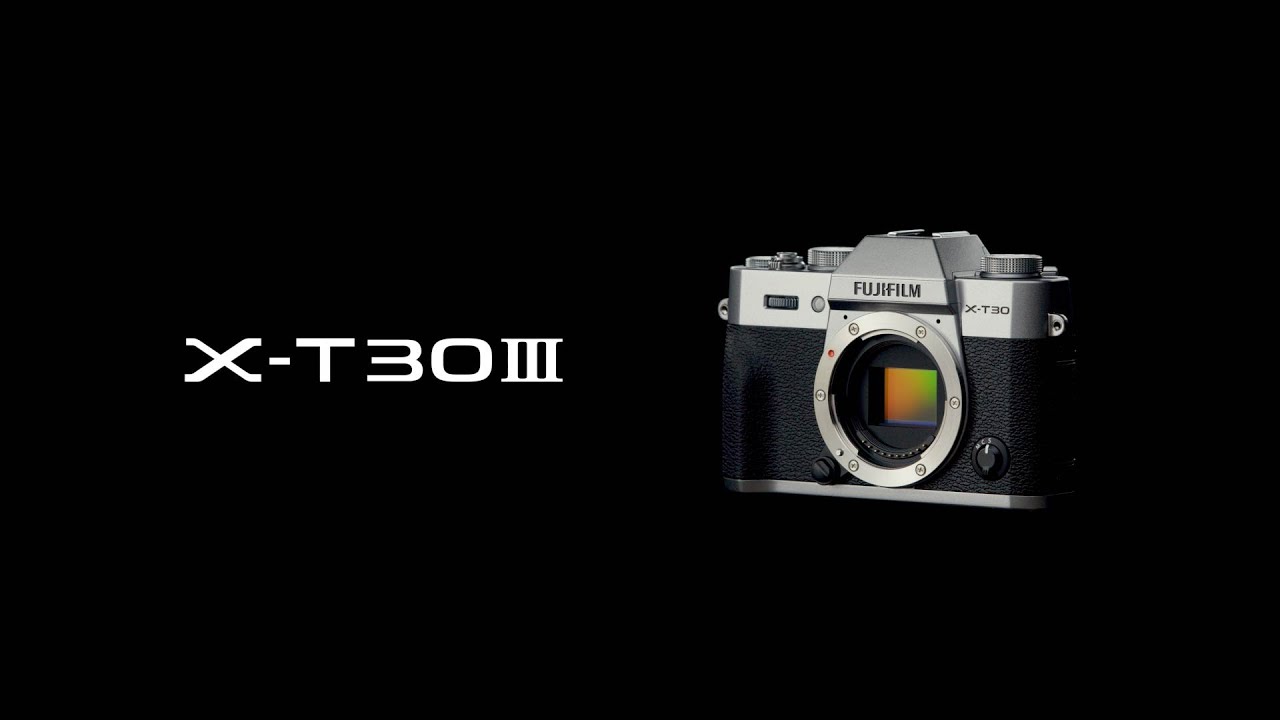
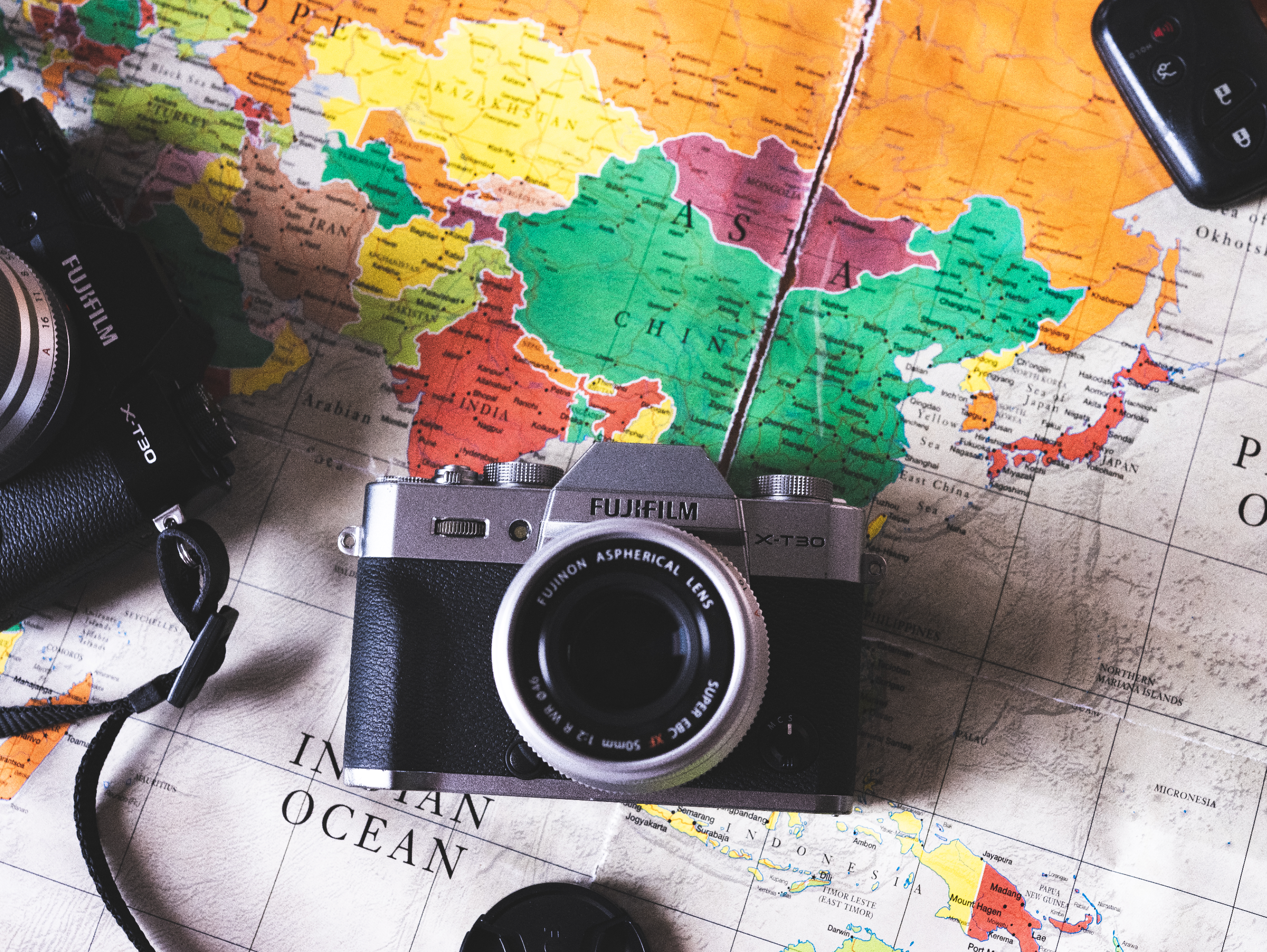
- Fujifilm X-T30 series / X-S10 (APS-C): Strong in film simulation colors, retro design inspires shooting.
Fujifilm X-T30(CLICK TO EXPAND)
EDITORIAL ARCHIVE // SOURCE: INTERNET ARCHIVE
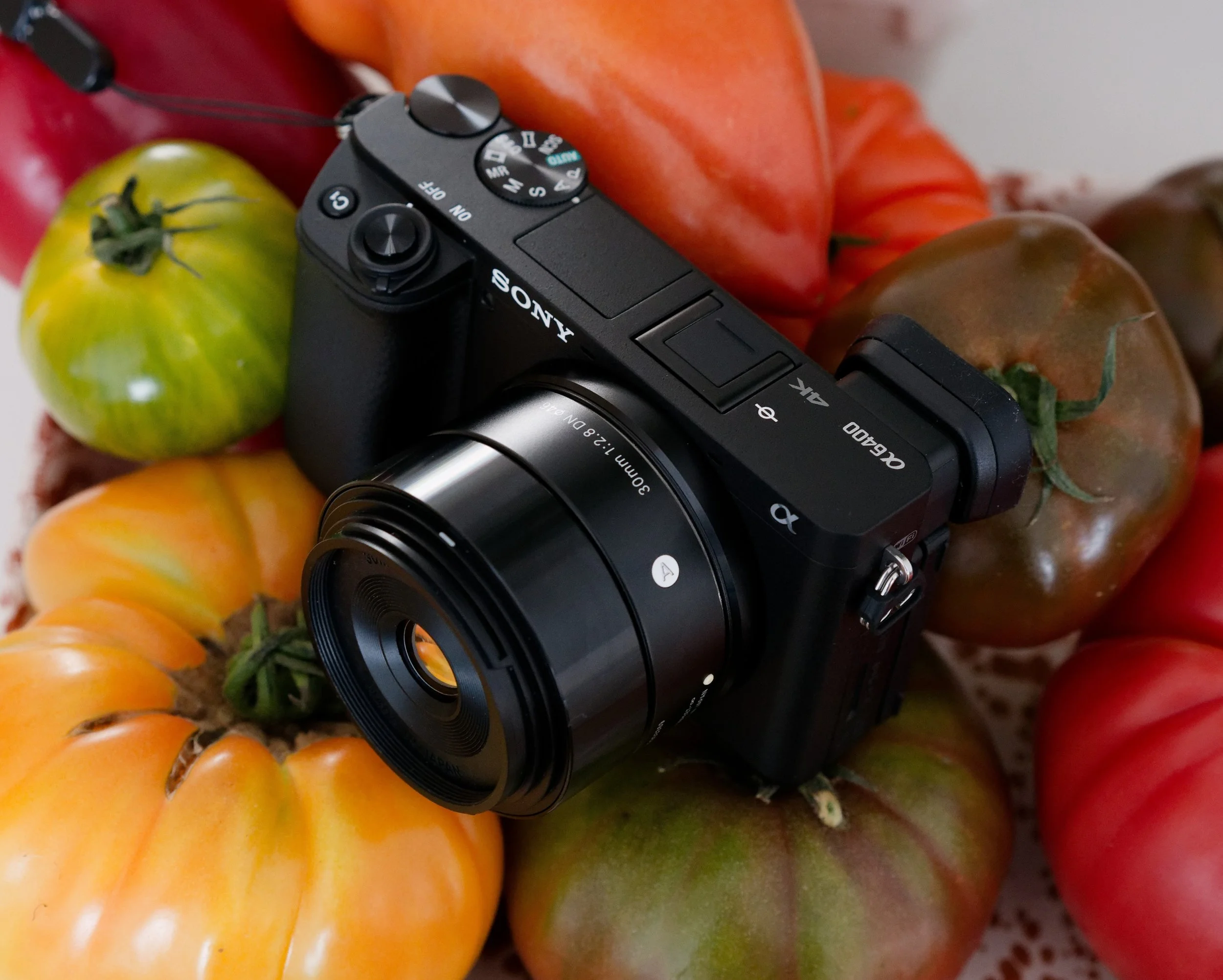
- Sony A6400 / A6700 (APS-C): Fast autofocus, extremely rich third-party lens ecosystem (Sigma, Tamron).
Sony A6400(CLICK TO EXPAND)
EDITORIAL ARCHIVE // SOURCE: INTERNET ARCHIVE
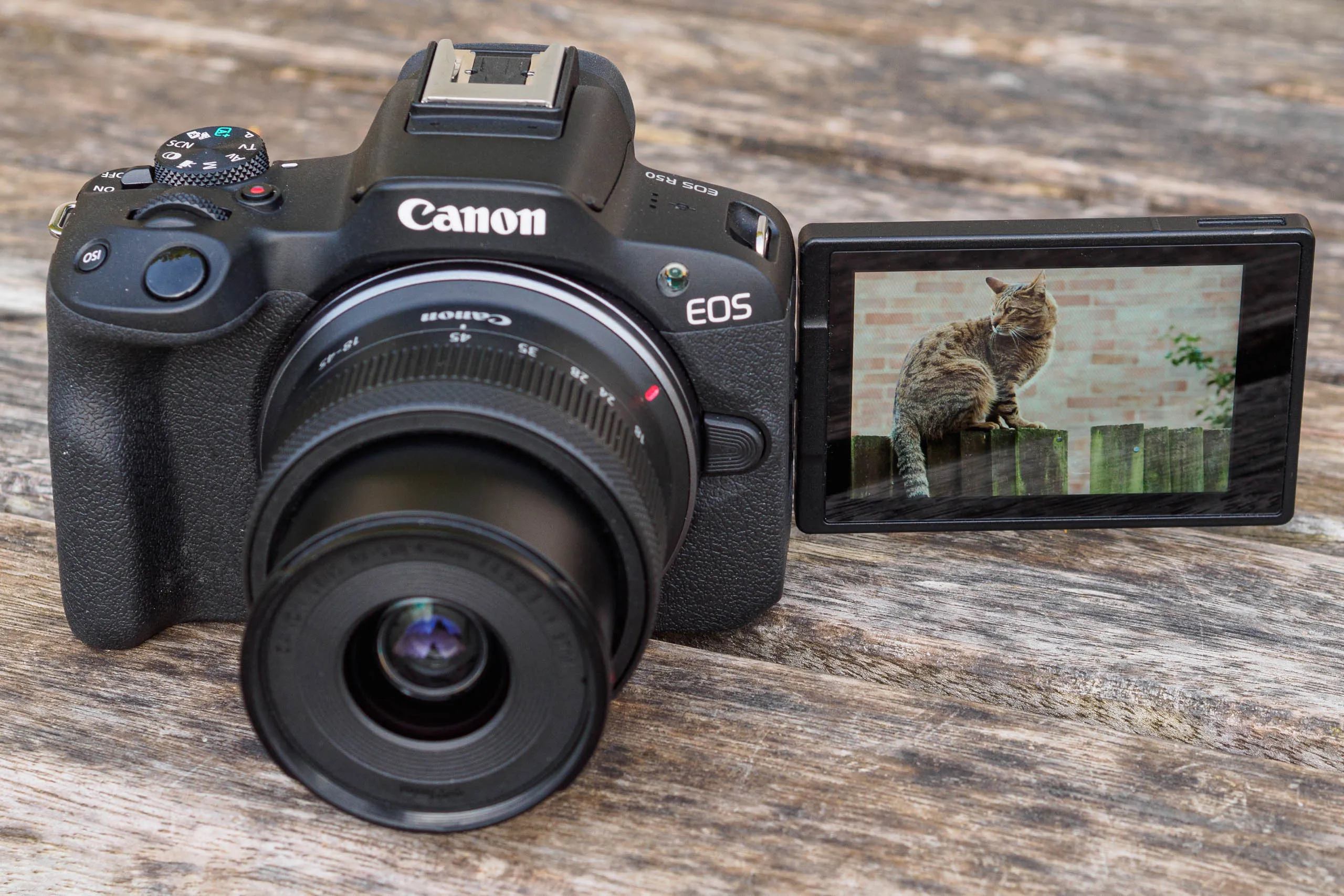
- Canon EOS R50 / R10 (APS-C): Easy to use, natural skin tones right from JPEG files.
Canon EOS R50(CLICK TO EXPAND)
EDITORIAL ARCHIVE // SOURCE: INTERNET ARCHIVE
Level 2: Semi-Pro / Enthusiast Building a Portfolio
- Goal: Take on the first paid photography jobs (portraits, small events, basic products) or advanced content creation (similar to the workflow of the Sony ZV-1).
- Features to look for: Mid-range Full-frame or high-end APS-C sensor, dual SD card slots (preventing data loss risk), In-Body Image Stabilization (IBIS).
Typical Representatives:
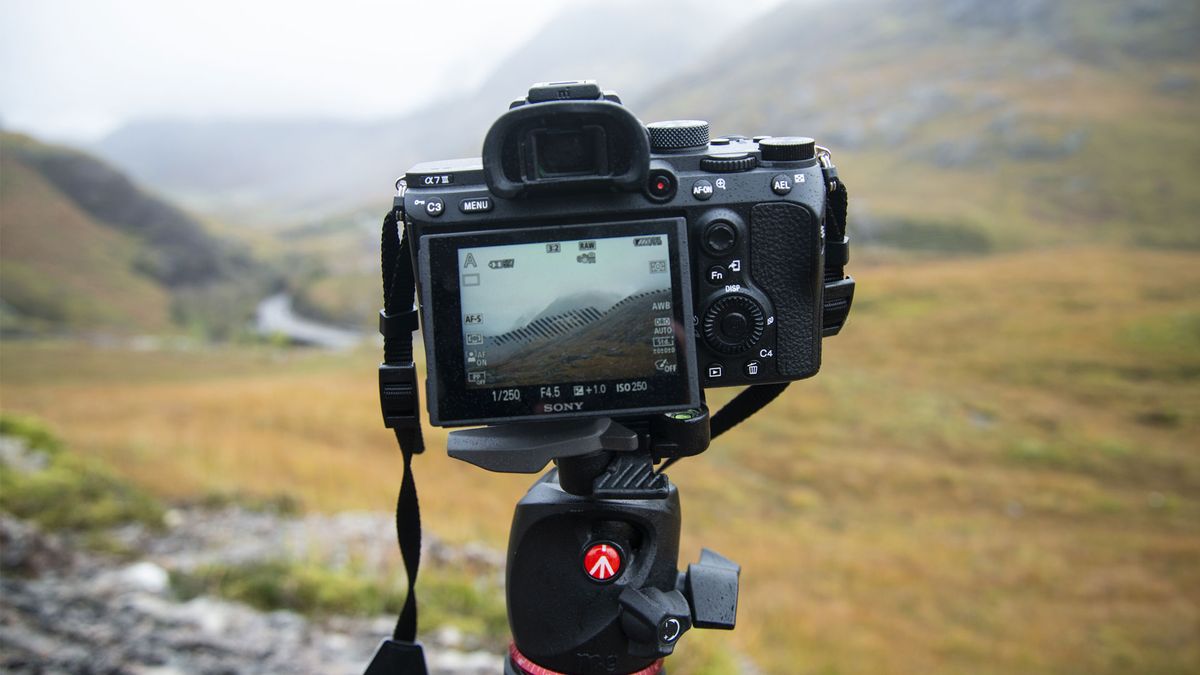
- Sony A7 III / A7 IV (Full-frame): The standard versatile camera for both stills and service video.
Sony A7 III(CLICK TO EXPAND)
EDITORIAL ARCHIVE // SOURCE: INTERNET ARCHIVE
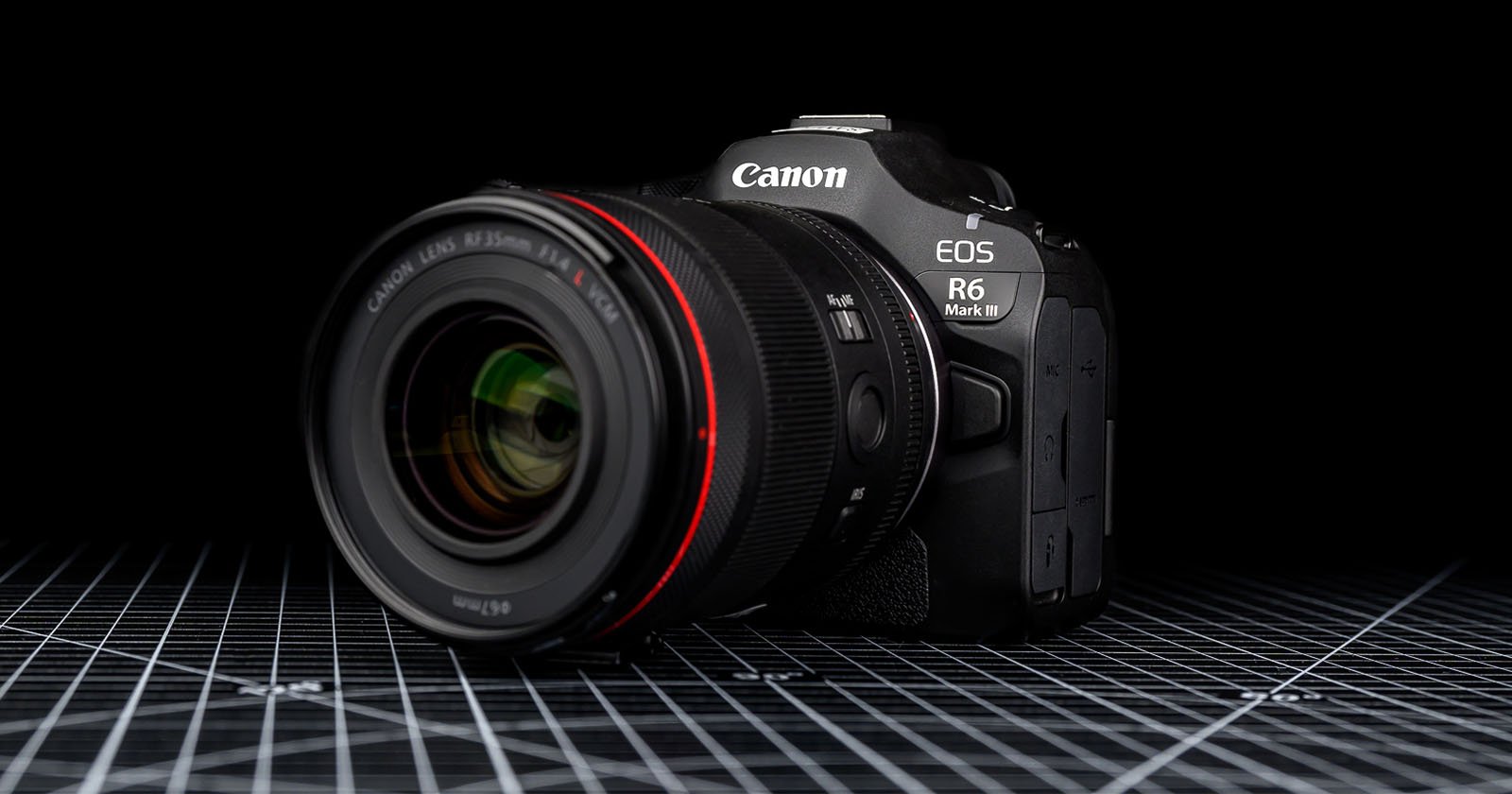
- Canon EOS R6 / R6 Mark II (Full-frame): Top-notch autofocus capability, smooth color processing.
Canon EOS R6(CLICK TO EXPAND)
EDITORIAL ARCHIVE // SOURCE: INTERNET ARCHIVE
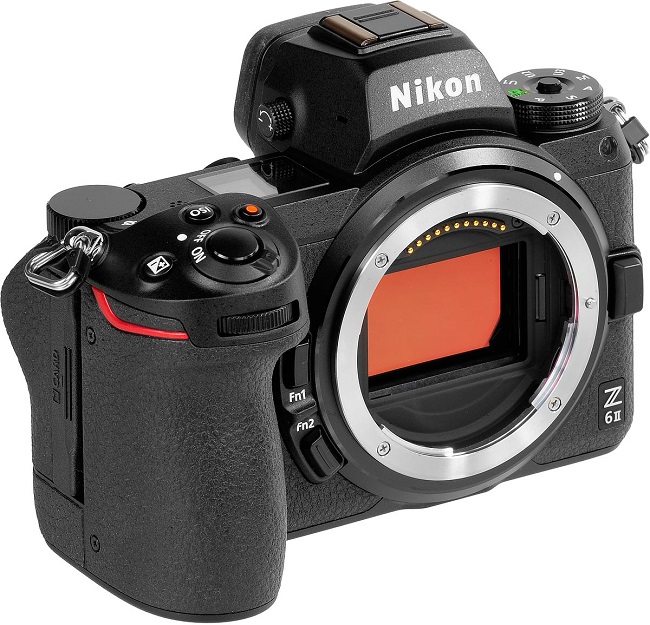
- Nikon Z6 II / Z6 III (Full-frame): Wide dynamic range, solid build, great value for money.
Nikon Z6 II(CLICK TO EXPAND)
EDITORIAL ARCHIVE // SOURCE: INTERNET ARCHIVE
Level 3: Professional & Commercial Photographer
- Goal: Meet the pressure of continuous work, high resolution for large format printing, extremely fast burst speed for sports/reportage, durability in harsh conditions.
- Features to look for: High resolution (45MP+), Stacked Sensor to eliminate distortion from electronic shutter (rolling shutter), stable tethering connection, and high mechanical durability.
Typical Representatives:
- Sony A1 / A7R V: Super resolution and processing speed for commercial/fashion.
Sony A1(CLICK TO EXPAND)
EDITORIAL ARCHIVE // SOURCE: INTERNET ARCHIVE
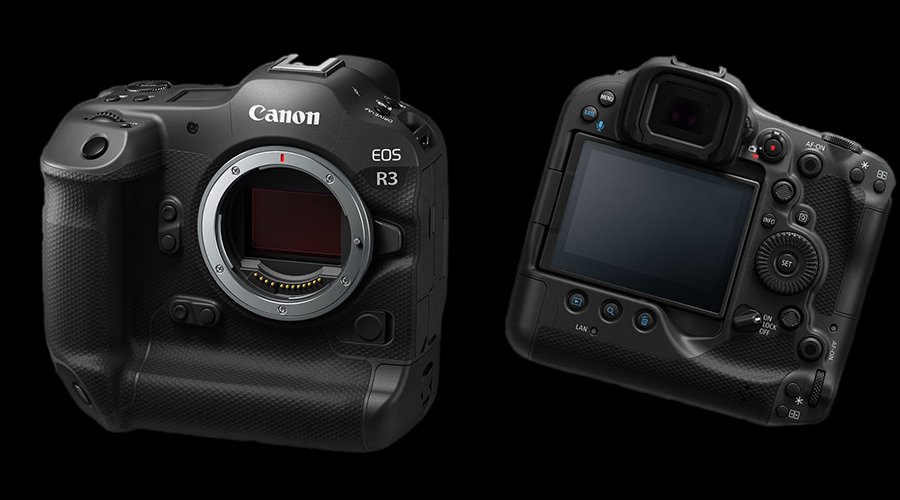
- Canon EOS R3 / R5 Mark II: High-intensity workhorse for high-end wedding reportage, sports, and studio.
Canon EOS R3(CLICK TO EXPAND)
EDITORIAL ARCHIVE // SOURCE: INTERNET ARCHIVE
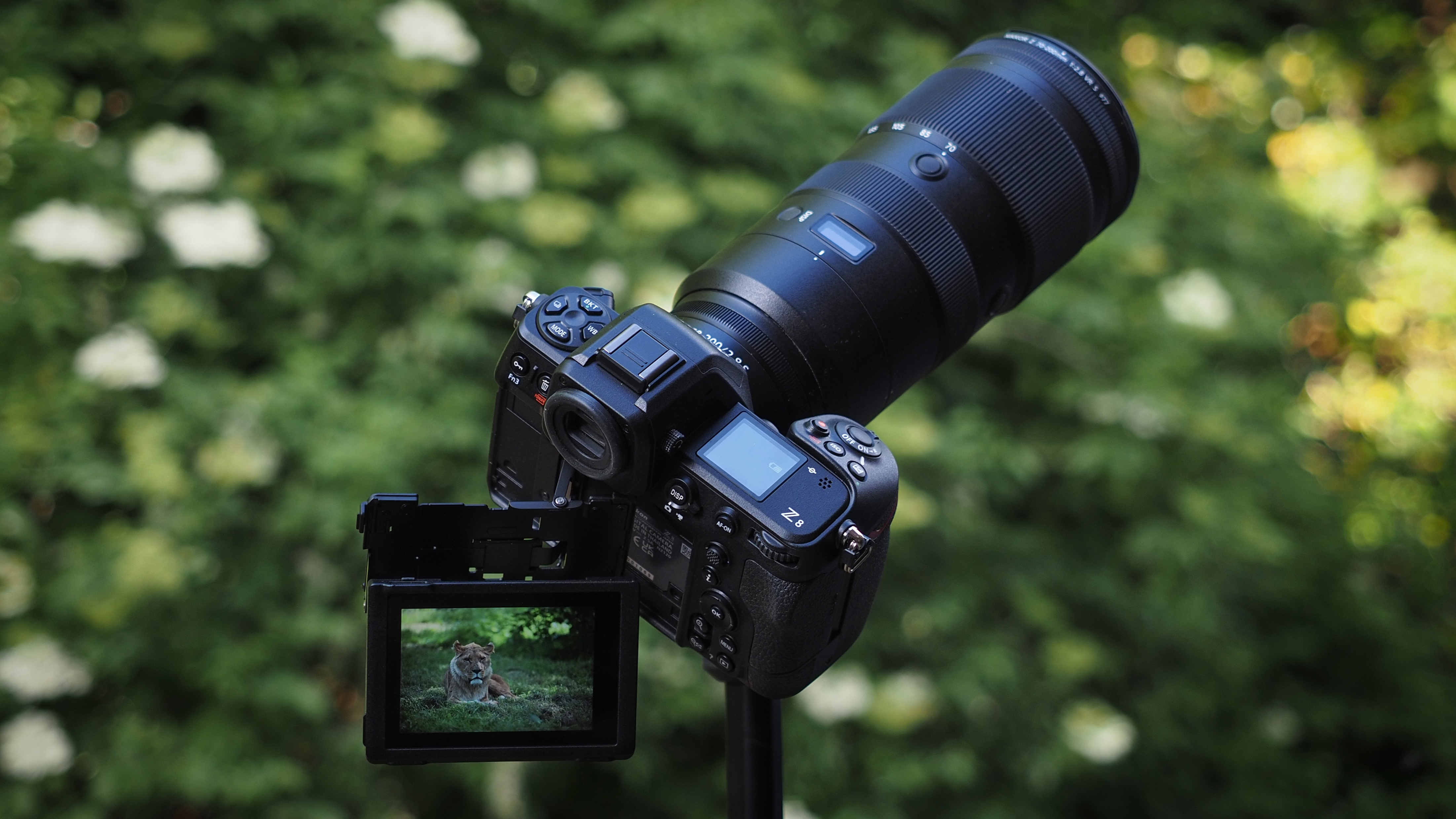
- Nikon Z8 / Z9: Completely ditching the mechanical shutter, comprehensive durability and performance.
Nikon Z8(CLICK TO EXPAND)
EDITORIAL ARCHIVE // SOURCE: INTERNET ARCHIVE
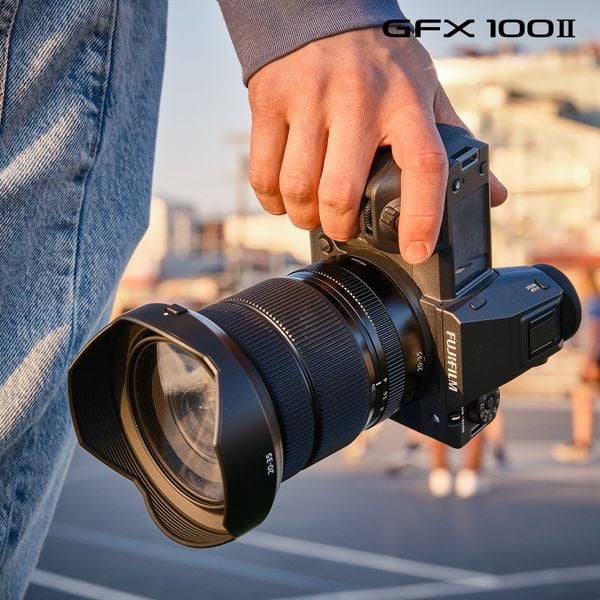
- Fujifilm GFX 100 series (Medium Format): The pinnacle of detail for lookbook shooting, large billboard print advertising.
Fujifilm GFX 100(CLICK TO EXPAND)
EDITORIAL ARCHIVE // SOURCE: INTERNET ARCHIVE
4. Mistakes When Buying a Camera That Make You Vainly "Burn Money"
- Pouring 90% of the budget into the Body: Camera bodies depreciate very quickly according to tech cycles. A high-end Full-frame body paired with a cheap lens will yield poorer optical quality than a mid-range Crop body paired with a high-quality lens.
- Ignoring ecosystem costs: Always allocate at least 30–40% of the total budget for: High-speed memory cards, spare batteries, tripod, shockproof bag, and storage hard drives.
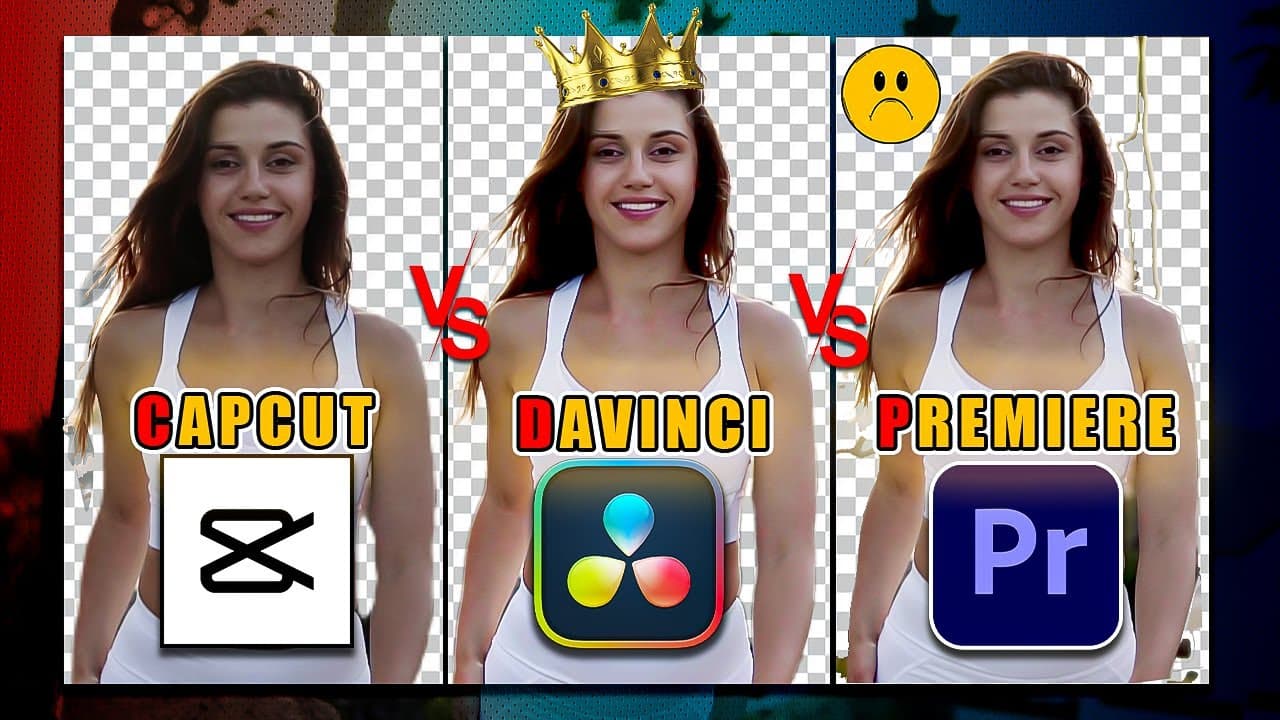
- Chasing unnecessary Megapixels: 45MP–60MP files require very powerful post-production computer specs and consume storage space (as analyzed in the Premiere vs DaVinci vs CapCut article), while the need is only posting on social media or delivering web photos to clients.
5. Investment Advice: Where to Start?
Practical investment rule: Determine the main photography genre ➝ Choose the lens ecosystem ➝ Then choose the suitable body.
- If you are a beginner: An APS-C setup with a versatile 18-50mm f/2.8 zoom lens or a 35mm/50mm prime lens is enough to exploit all basic angles.
- If you are preparing to work professionally: Prioritize a body with dual card slots before thinking about a Full-frame sensor. Client data safety is the first factor confirming professionalism.
Frequently Asked Questions (FAQ)
Should a beginner buy a Full-frame camera right away?
Not necessarily. If your budget is comfortable, Full-frame helps you access standard focal ranges and shoot well in low light. But if your budget is limited, choose APS-C to save money for investing in high-quality lenses and practical courses.
How important are dual card slot cameras for service photographers?
Very important. Dual slots allow for parallel overwriting (Backup). Memory cards can fail unexpectedly; if you shoot an event/wedding and lose data, you cannot recreate the client's moments.
For professional services, should I choose Sony, Canon, or Nikon?
All three ecosystems respond excellently to professional work. Sony excels in a rich third-party lens ecosystem; Canon possesses natural skin tones and good ergonomics; Nikon has excellent dynamic range and competitive body pricing.