The History of the First Camera: Mechanical Design & The Motivation Behind It
Read more
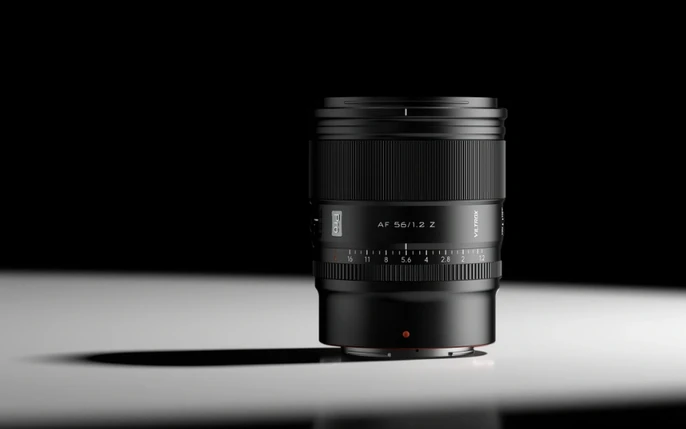
In recent years, the imaging creator community has witnessed an unprecedented explosion of recording devices from Shenzhen: DJI dominates handheld camera rankings, Insta360 leads the 360-camera market share, and Viltrox continuously releases large-aperture f/1.2 and f/1.4 lenses with ultrasonic autofocus motors at a third of the price of genuine lenses.
This raises a massive question: Are Chinese brands about to overthrow the near-century-old monopoly of Japanese giants like Canon, Sony, Nikon, and Fujifilm?
The short answer: They cannot yet overthrow the professional camera (Mirrorless ILC) segment, but they have already broken the monopoly in the entire ecosystem surrounding it.
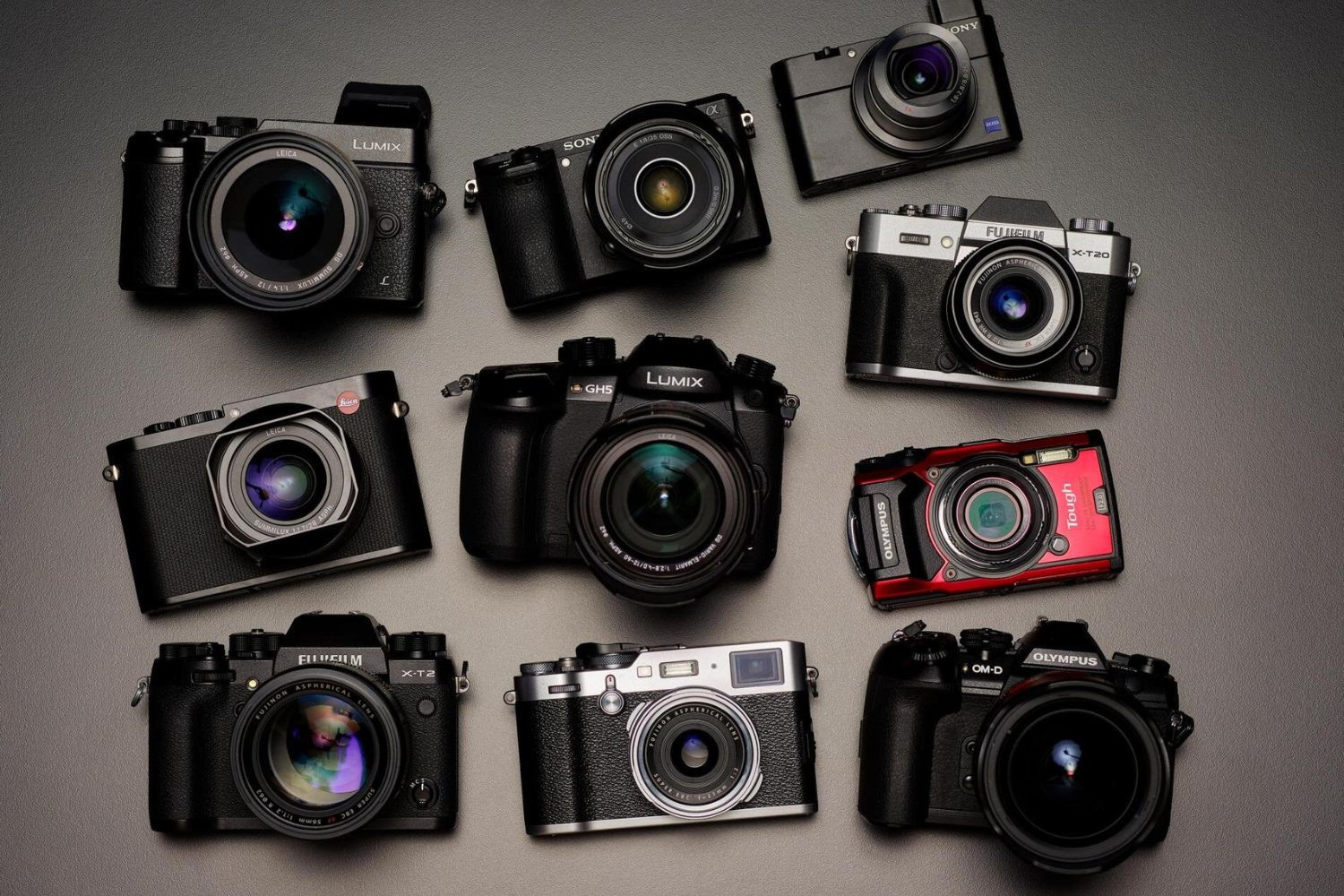
To understand why the Japanese still stand firm, one must look at the nature of the traditional camera industry. According to market reports from CIPA and Nikkei, Japanese conglomerates (led by Canon, Sony, and Nikon) still hold over 90% of the global interchangeable lens digital camera market share.
This dominance does not merely lie in the brand name; it is built on three extremely deep "economic moats":

Choosing not to ram headfirst into the steel wall of traditional Full-frame Mirrorless cameras, Chinese tech companies apply an asymmetric strategy: redefining the needs of the new generation of users.
Gimbal & Action Cameras: Defeating the opponent on their home turf While traditional cameras are bulky with complex menus, devices like the DJI Osmo Pocket series or Insta360 Ace/X-series offer a point-and-shoot experience, perfect 3-axis stabilization, and built-in wireless microphones.
According to retail sales statistics at Japanese electronics stores (BCN Ranking), DJI's Osmo Pocket line has consistently held the #1 spot in the handheld video camera (DV/camcorder) category right in the Japanese domestic market. In the fast-paced content creation segment, Japanese brands have dragged their feet and lost market share.
The Third-Party Autofocus Lens Revolution: Viltrox's Leap Before 2020, mentioning Chinese lenses usually brought to mind cheap, manual focus lenses with average quality. Today, the landscape has completely reversed:
| TYPICAL LENS INVESTMENT COST COMPARISON | Genuine Japanese Lens | Chinese AF Lens (Viltrox Pro) |
|---|---|---|
| Price | $1,000 - $1,400 | $450 - $550 |
| Performance | 100% | 85 - 90% |
| Best For | Studio, High-end service jobs | Creators, Freelancers, Semi-pros |
The Advantage of Computational Photography Thanks to experience accumulated from the smartphone and drone supply chain, Chinese engineers excel in software writing capabilities: AI Tracking algorithms on DJI gimbals and the invisible selfie stick and seamless 360-stitching algorithms of Insta360 leave most traditional cameras far behind.

| Comparison Category | Japanese Brands (Canon, Sony, Nikon, Fuji) | Chinese Brands (DJI, Insta360, Viltrox, Sirui) | Practical Verdict |
|---|---|---|---|
| Pro Mirrorless Body | Holds overwhelming market share (>90%), industry-standard durability. | No direct competing product in the Full-frame/Medium Format ILC segment yet. | Japan overwhelmingly dominates |
| High-end Native Lens Ecosystem | Flawless optical standards, red/gold ring/G Master systems. | Massive progress in Prime Lens segments, but lacks high-end zoom lenses. | Japan holds the #1 spot |
| Price/Performance Ratio (P/P) | Very high costs, large profit margins, and brand value. | Outstanding. Helps users access large apertures on a limited budget. | China wins |
| Video Creator & Vlogging Pocket Gear | Bulky, slow innovation, reliant on old camera form factors. | Optimized design for short video platforms, integrated physical gimbals. | China leads the market |
| Image Sensor (CMOS) | Sony Semiconductor holds over 50% of the global CMOS sensor market. | Mostly uses sensors purchased from Sony, OmniVision, or external suppliers. | Japan controls the supply |
To truly "overthrow" Japanese brands in professional photography, Chinese manufacturers still stumble upon two fatal barriers:
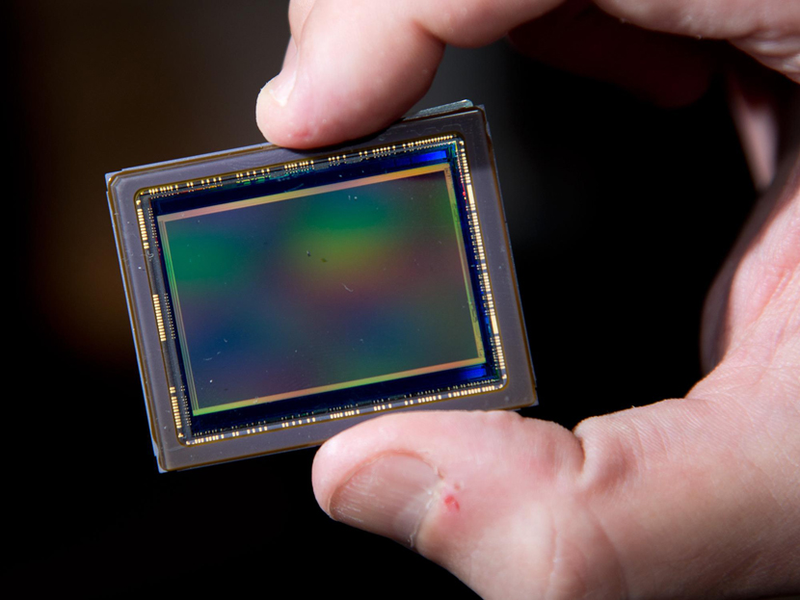
1. CMOS Sensor Supply Most imaging devices from drones, gimbal cameras to high-end smartphones in China today still have to use CMOS sensors designed and manufactured by Sony Semiconductor (Japan). Until they can autonomously produce Full-frame BSI/Stacked CMOS sensors on par with Sony, they cannot detach from the Japanese supply chain.
2. Color Science and Professional Conservatism The skin tones of Canon, the rich landscape colors of Nikon, or the distinctive Film Simulation of Fujifilm are not things that can be copied overnight. The trust in a stable color profile that saves hundreds of hours of post-production color grading is why major studios remain loyal to Japanese gear.
You don't have to pick a "100% Japanese" or "100% Chinese" side. The most pragmatic and effective solution today is combining the strengths of both:
Has any Chinese brand released a Full-frame Mirrorless camera to replace interchangeable lenses? No Chinese brand has successfully mass-commercialized a Full-frame Mirrorless body to compete with the Sony A7 IV or Canon R6 II yet. They mainly focus on action cameras, gimbal cameras (DJI), 360 cameras (Insta360), and standalone lenses (Viltrox, Sirui).
Do Viltrox lenses suffer from autofocus errors when Sony or Nikon camera firmware is updated? Currently, Viltrox equips its lens mounts with a direct USB-C port for users to update firmware themselves. Whenever camera brands release a new OS update, Viltrox usually releases a compatibility patch within 1 to 3 weeks.
Why doesn't DJI produce a professional Mirrorless camera itself? DJI has held a controlling stake in the legendary Swedish Medium Format camera brand Hasselblad since 2017. Instead of confronting the already crowded 35mm Full-frame segment directly, DJI chose to develop high-end Medium Format cameras combined with dedicated cinematic recording systems (DJI Ronin 4D).