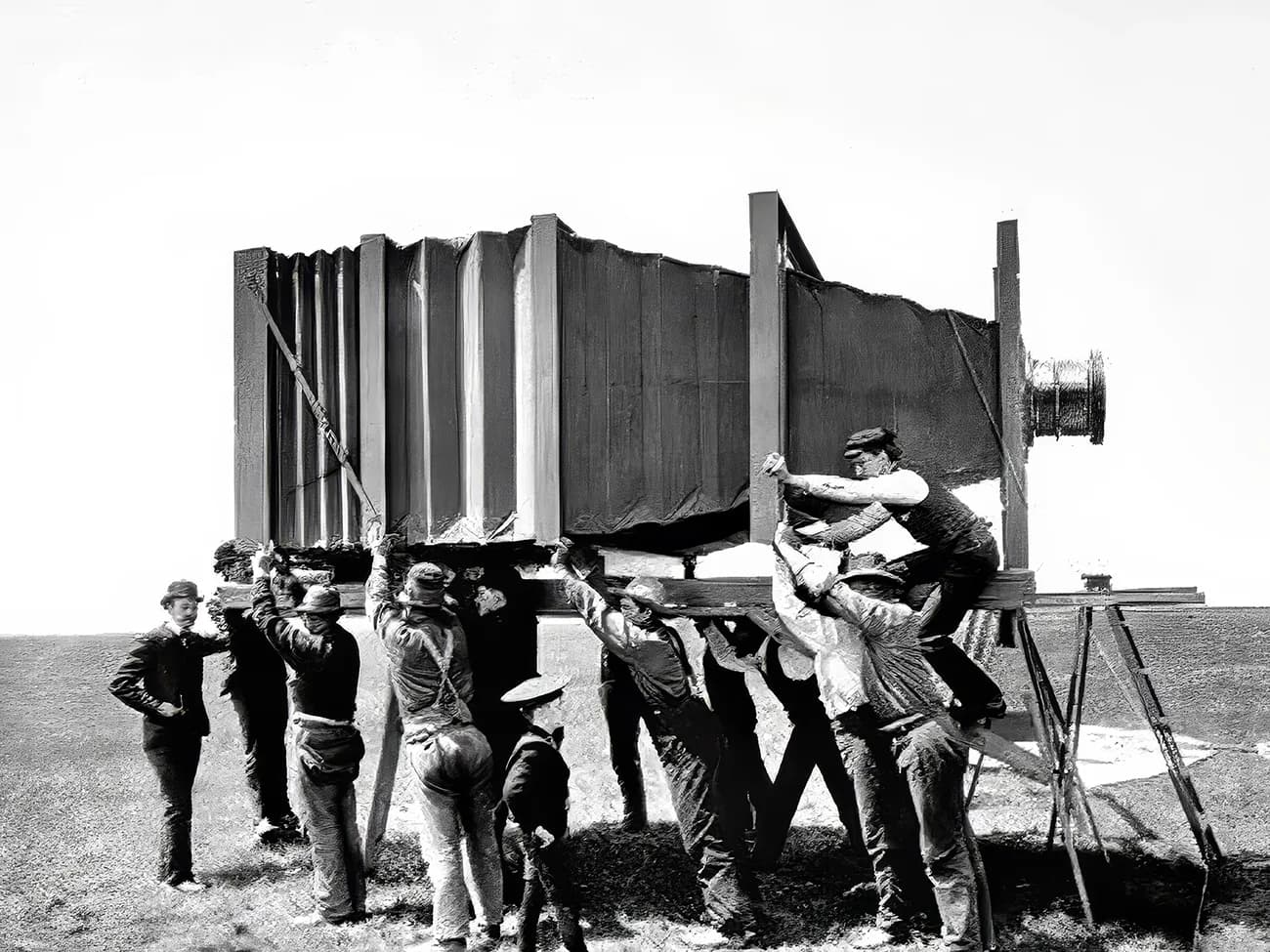
The History of the First Camera: Mechanical Design & The Motivation Behind It
Read more
If you are looking for a compact camera for vlogging, creating TikToks, Reels, or YouTube Shorts, the name Sony ZV-1 has definitely popped into your head at least once.
But currently, when the cameras on flagship smartphones (like the iPhone Pro Max or Samsung Galaxy Ultra) are so excellent, is spending a comparable amount of money to buy a compact camera still a reasonable investment?
From a professional perspective on gear and digital content creation workflow optimization, this article will detail the "valuable" points as well as the core limitations of the Sony ZV-1.
(Note: The reviews below are based on an analysis of official technical specifications, compared with the practical requirements of a short-form video production environment, and synthesized from the professional creator community).
The Sony ZV-1 is not a camera for everyone. It is designed with a very clear target audience:
Inheriting DNA from Sony's renowned Alpha line, the ZV-1 features Real-time Eye AF and extremely rigorous subject tracking.
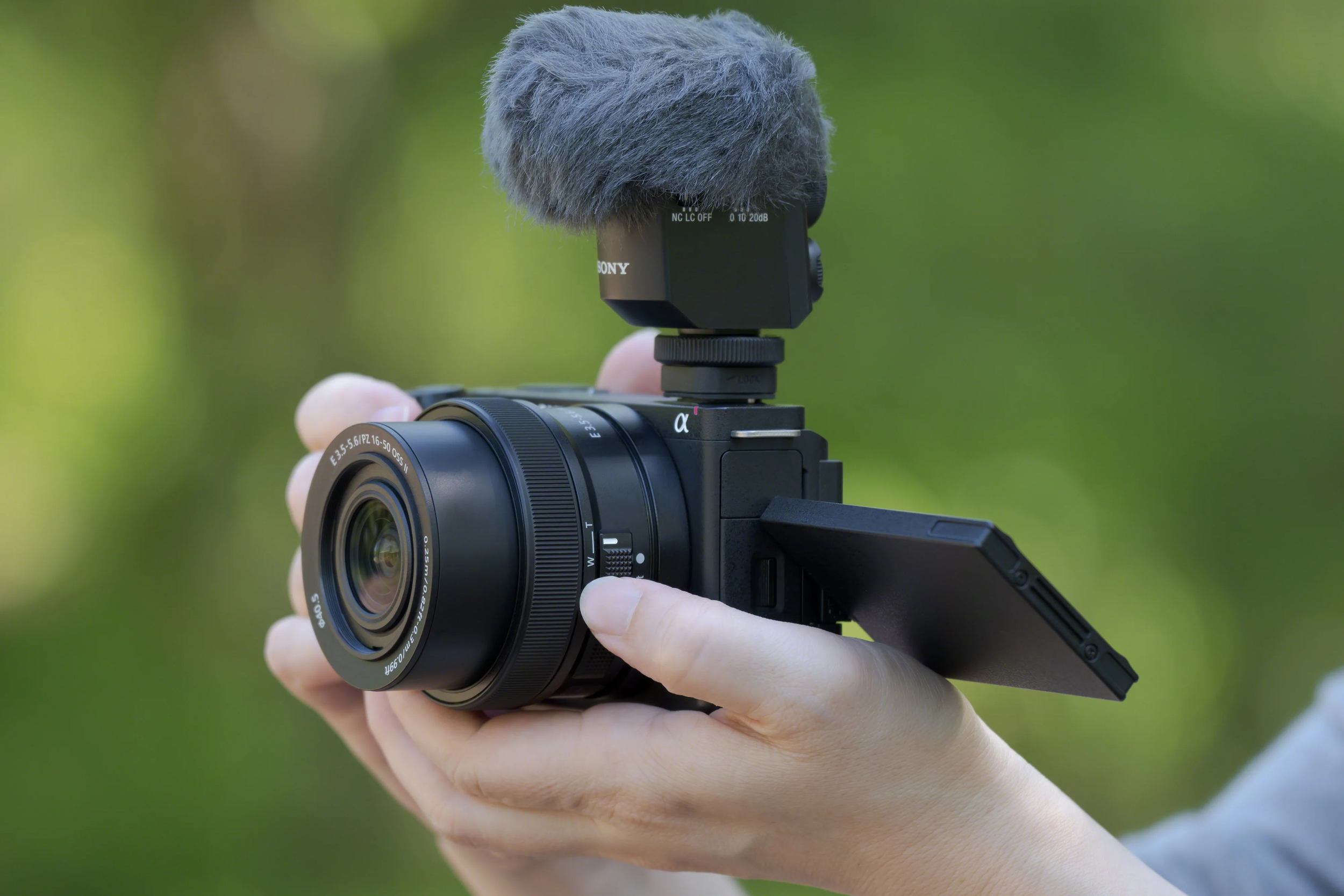
These are two physical buttons that turn the ZV-1 into a review "monster":

Despite phone AI algorithms, physics is still physics. The 1-inch sensor on the ZV-1 is significantly larger than smartphone sensors. Combined with a fast built-in lens (f/1.8 - 2.8), the ZV-1 offers two absolute advantages:


No device is perfect, and the ZV-1 has two physical drawbacks that could affect your workflow if you aren't prepared.
| Limitation | Technical Analysis | Practical Solution |
|---|---|---|
| 24mm Field of View (Not wide enough) | A 24mm equivalent focal length is fine on a tripod. But when handheld at arm's length (especially with Active Steadyshot on, which crops the frame), your face fills the frame, lacking background context. | Use a vlogging stick (like the Sony GP-VPT2BT grip) to extend the distance, or attach a third-party wide-angle lens adapter. |
| Quite "Poor" Battery Life | The ZV-1 uses a fairly small NP-BX1 battery. Shooting 4K with continuous autofocus drains it very quickly (about 40-45 minutes of real shooting time). | Always buy at least 2 extra spare batteries and a dual charger, or use a power bank plugged directly into the USB port when shooting at home. |
Design Note: The ZV-1's tripod mount is right next to the battery door. If you mount the camera on a tripod or gimbal, you cannot open the door to change the battery/SD card without removing the entire grip/plate.

If you only do simple, entertaining dance videos outdoors in bright light, an iPhone is more than enough.
However, you should buy a ZV-1 if:

To instantly optimize your image, try this setup when shooting indoors:
The Sony ZV-1 is a camera that does exactly what it was born to do, and does it excellently: Simplifying high-quality video recording for individuals. It perfectly fills the gap between the convenience of a smartphone and the professionalism (but bulkiness) of interchangeable-lens mirrorless cameras. Despite some design and battery life drawbacks, the ZV-1 remains one of the most effective and reliable content creation tools on the market today.
Can the Sony ZV-1 change lenses? No. The Sony ZV-1 is a compact camera using a fixed lens (24-70mm f/1.8-2.8). If you want a camera with a larger sensor and interchangeable lenses, you should look into the Sony ZV-E10 series.
Does this camera take good photos? The ZV-1 was born for video, but it still possesses the 1-inch sensor and BIONZ X processor similar to the famous RX100 series. It takes very good RAW photos, easily beating most current smartphones, especially in low-light conditions.
Can the Sony ZV-1 be used as a Webcam for livestreaming? Absolutely. The Sony ZV-1 supports plugging a USB cable directly into a computer and using it as a high-quality webcam without needing a Capture Card (using Imaging Edge Webcam software or the UVC/UAC standard).