Vintage Hong Kong Aesthetic: How to Shoot & Color Grade Cinematic Photos
Read more
You walk out onto the street with your camera, scan the area, and sigh: the streets are as dusty as every other day, the familiar coffee shop offers nothing new, the harsh noon sun doesn't seem poetic at all. You lower your camera, scroll through your phone, and think: "Maybe today just isn't a day for shooting."
This feeling doesn't only happen to beginners. It is a state of Creative Block that any Pro Photographer who has held a camera for years has experienced dozens of times.
The problem doesn't actually lie in your surroundings being boring. The problem is: you have too much freedom.

In cognitive psychology, this phenomenon is called The Paradox of Choice.
When you step out the door thinking "I'm going to take a beautiful photo today," your brain has to process millions of variables simultaneously: people, cars, buildings, shadows, the sky, signs, low angles, high angles. Faced with endless possibilities without a directional filter, your brain immediately goes into overload and decides... not to see anything at all.
To escape this state, the only way is not to look for better scenery in another country, but to narrow your field of observation. You need to set "Creative Constraints" for yourself to force your vision to focus on a single task.

Don't look for people; don't look for scenery. Look for the contrast between light and dark.
During harsh sunlight hours (like noon or early afternoon) — a time when most photography textbooks advise putting your camera away — lower your exposure compensation to -1 or -2 EV. Look for streaks of sunlight slipping through window cracks, light patches shining through the canopy, or the long shadow of a lamppost on the asphalt.
Specific task: Only press the shutter when the frame is at least 60% deep shadows with only a single patch of light hitting the subject.
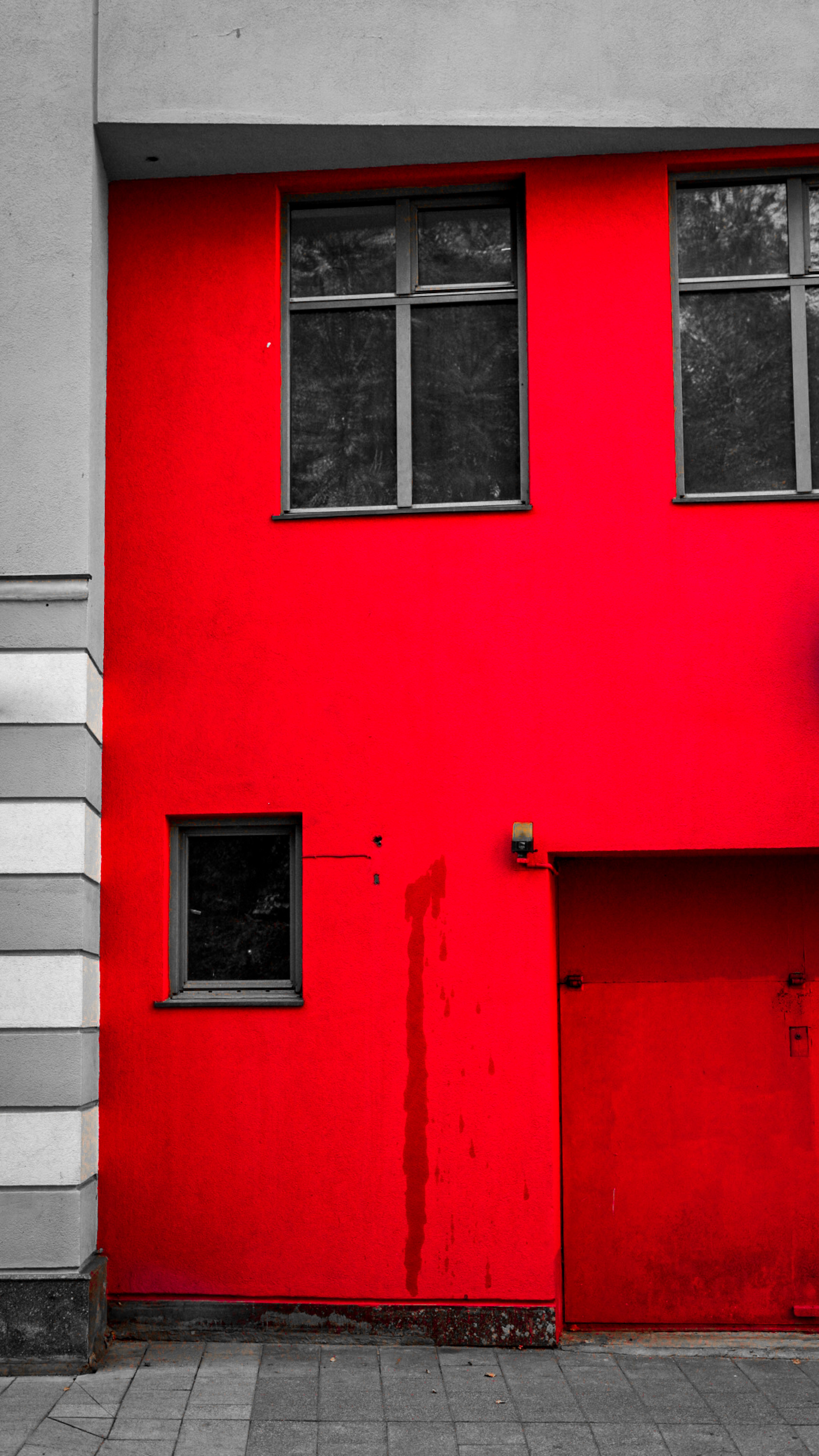
Choose any single color before leaving your door: yellow, bright red, or deep blue.
Throughout your walk, your brain is only allowed to "scan" for that color:
Every other detail around becomes the background. When you install a single color filter for your vision, the world around you suddenly turns into a visual treasure hunt.

The biggest mistake when running out of ideas is moving constantly. Walking for kilometers only exhausts your body, making your eyes gloss over everything superficially.
How to execute:
When forced to stand still in one place, you will begin to notice the invisible things: the rhythm of pedestrians' footsteps, a cat sunbathing under a car, or the reflection of a building in a puddle.
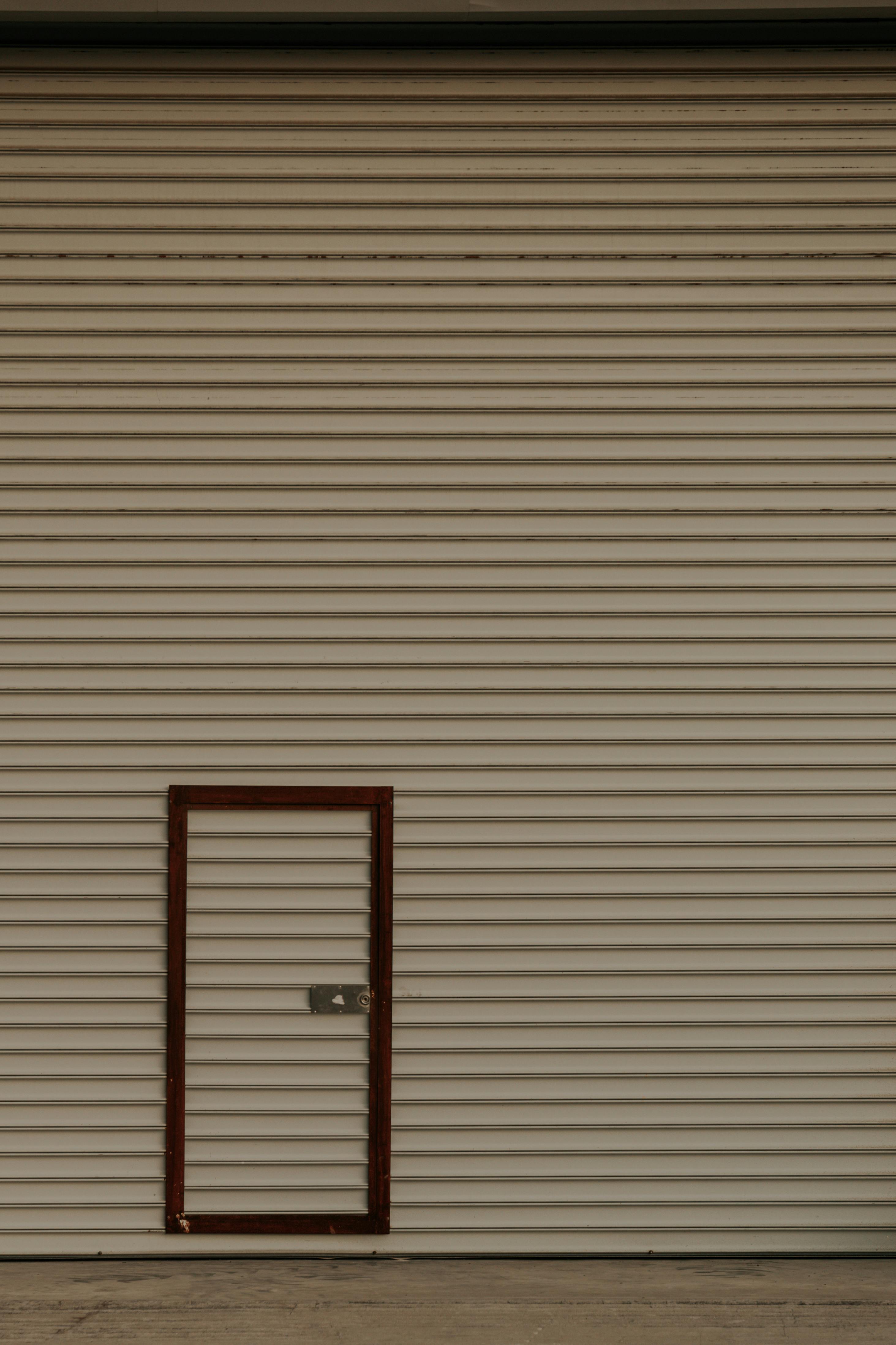
If the overall context is too messy and chaotic, get closer (Fill the frame).
Don't try to shoot the whole street corner. Chop it up:
Abstract photography is the most effective antidote for idea depletion, as it turns the most mundane objects into artistic shapes.
Turn an ordinary space into a multi-layered painting by finding natural frames:
A sub-frame helps guide the viewer's eye straight to the main subject and creates a sense of Depth of Field far superior to an ordinary flat photo.

We look at the world from a height of 1.5m to 1.75m all day long. That's why eye-level angles often feel boring and familiar.
Place the camera close to the ground, point the lens up, or take advantage of your flip/articulating screen to shoot from the hip down. A flock of pigeons, a rain puddle reflecting neon signs, or simply the heels of rushing crowds — the world right at the ground level always offers a completely foreign perspective.

Don't try to cram details into the frame. Do the exact opposite: dedicate 80% of the area to empty space (a solid-colored sky, a flat cement wall, a deserted concrete road) and leave only one tiny detail as a visual anchor (a lone bird, a tiny silhouette walking past).
Negative space creates tranquility in the viewer's eye and gives the photo room to "breathe".
| Your Energy | Suggested Exercise | Optimal Gear / Lens | Completion Time |
|---|---|---|---|
| Low (Tired, lazy to walk) | 100m Radius + Texture Shooting | Any focal length | 15–20 mins at a familiar cafe |
| Medium (Want a light walk) | Hunt 1 Color + Chase Harsh Shadows | Prime lens | 30–45 mins on one street |
| High (Want a challenge) | Ground-level + Sub-framing | Wide lens (24mm–28mm) | 1–2 hours spontaneous walking |
What if where I live is too boring, with no old quarters or beautiful scenery? Street and lifestyle photography do not require "beautiful scenery." The seemingly most boring places — supermarket parking lots, fire escapes, apartment dead ends — are where you'll find the most geometric lines, shadow patches, and abstract textures if you know how to eliminate the wide scene and shoot details.
How do I overcome the fear of raising my camera to photograph strangers on the street? Start with exercises that don't involve human faces: shoot shadows, hands, crowds from behind, or reflections through glass doors. Once you are used to the rhythm of the street, raising your camera for direct moments will feel much more natural.
Should I upgrade to new gear to regain photography inspiration? Buying a new camera or lens only brings a false sense of excitement for the first few days. If you don't change how you perceive space and light, you will quickly fall back into the "don't know what to shoot" state with a more expensive camera.