Many people mistakenly believe that applying a yellowish-green preset and adding some grain is all it takes to achieve the vintage Hong Kong style. The result is often muddy skin tones, crushed shadows, and a lifeless overall image.
Similar to the Gen Z digicam trend, the 80s–90s Hong Kong photo aesthetic doesn't start in post-production. It begins with mixed lighting, a specific urban culture, and the chemical properties of celluloid film.
The True Visuals of 80s–90s Hong Kong: Not Just "Yellow Tint"
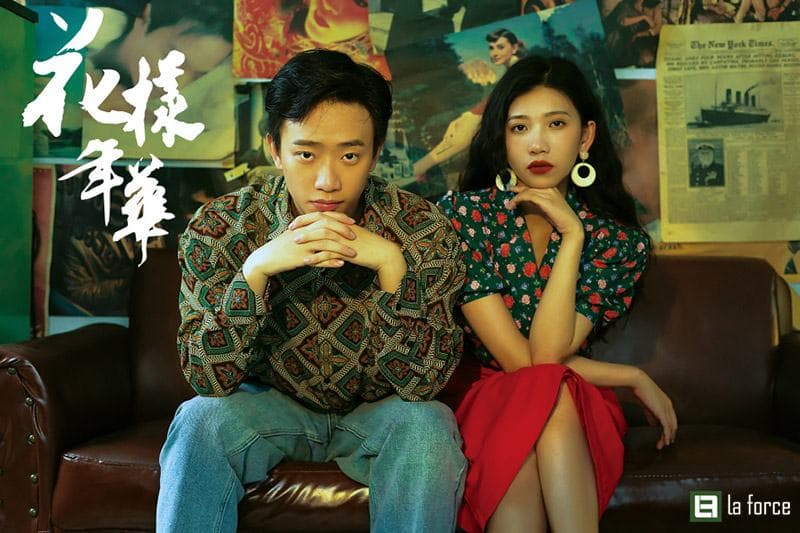
Hong Kong Style(CLICK TO EXPAND)
EDITORIAL ARCHIVE // SOURCE: INTERNET ARCHIVE
The visual beauty of the golden age of Hong Kong cinema and photography is tied to two core elements:
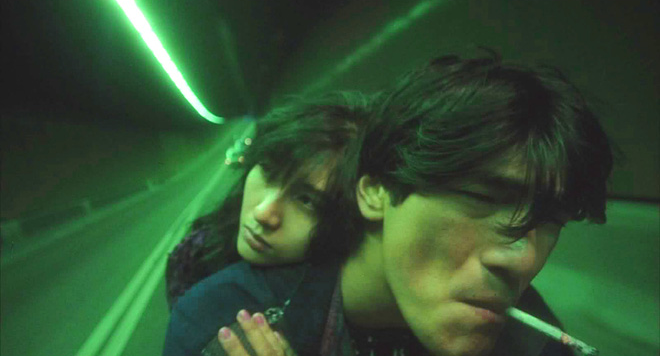
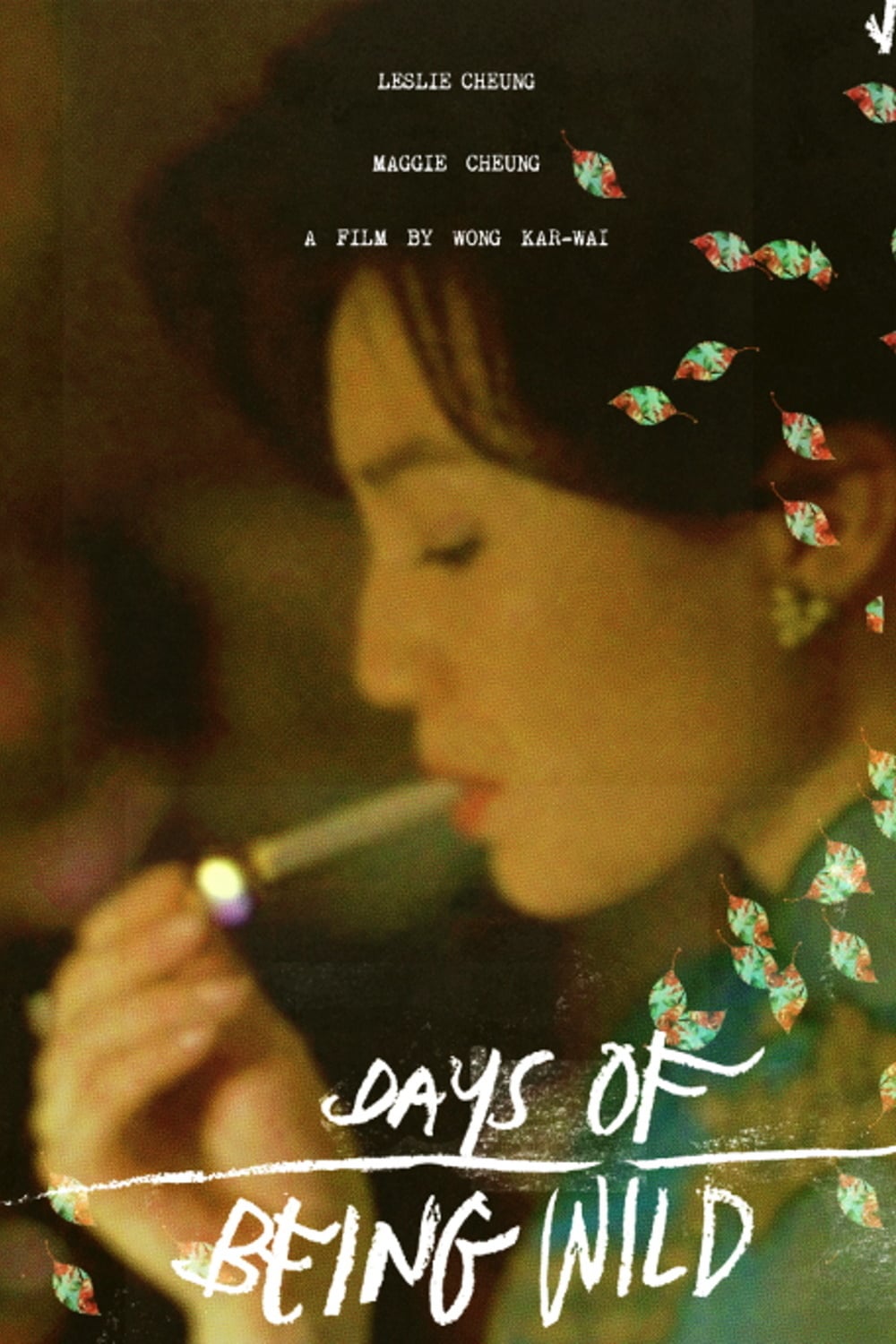
The Cinematic Imprint of Wong Kar-wai and Christopher Doyle
Wong Kar Wai(CLICK TO EXPAND)
EDITORIAL ARCHIVE // SOURCE: INTERNET ARCHIVE
Masterpieces like Chungking Express, Fallen Angels, or In the Mood for Love clearly defined this visual aesthetic: a sense of urban loneliness, motion blur, suffocating close-up angles, and the harsh contrast of artificial lights in the city night.
Physical Properties of Film Emulsion
Film characteristics(CLICK TO EXPAND)
EDITORIAL ARCHIVE // SOURCE: INTERNET ARCHIVE
During this era, filmmakers and photographers primarily used motion picture film stocks (like Kodak 500T, Fuji Eterna) paired with older optically coated lenses. This combination produced:
- A soft bloom/halation around incandescent light bulbs.
- Soft micro-contrast, not as razor-sharp as modern digital sensors.
- Shadows leaning towards cyan/green, while highlights retained the warm hue of tungsten filaments.
4 Pillars of an Authentic Hong Kong Photo
| Pillar | Key Technical Elements | Common Mistakes |
|---|
| Lighting | Tungsten (3200K) mixed with Neon (5600K–6500K) | Flat white lighting, lack of shadow contrast |
| Setting | Narrow spaces, neon signs, old tiles, dark wooden furniture | Overly modern, minimalist, or overly clean locations |
| Styling | 90s vintage clothing, curled hair, sharp makeup | Modern clothes, Korean/minimalist style |
| Camera Settings | Wide aperture, fine-to-medium ISO grain, intentional motion blur | Overly sharp digital HDR look |
1. Lighting: The Art of Mixed Lighting
Mixed Lighting(CLICK TO EXPAND)
EDITORIAL ARCHIVE // SOURCE: INTERNET ARCHIVE
Vintage Hong Kong was a city of dark alleys overflowing with commercial lights.
- Background Light: Utilize red/blue neon signs or old fluorescent tubes.
- Key Light: Direct warm Tungsten light onto the model's face to maintain a warm skin tone.
- Direct Flash: A classic 90s technique is using an on-camera flash pointed straight at the subject in a dark environment, highlighting sharp facial features and creating harsh shadows on the wall behind. Bring a compact camera device to easily maneuver in tight spaces.
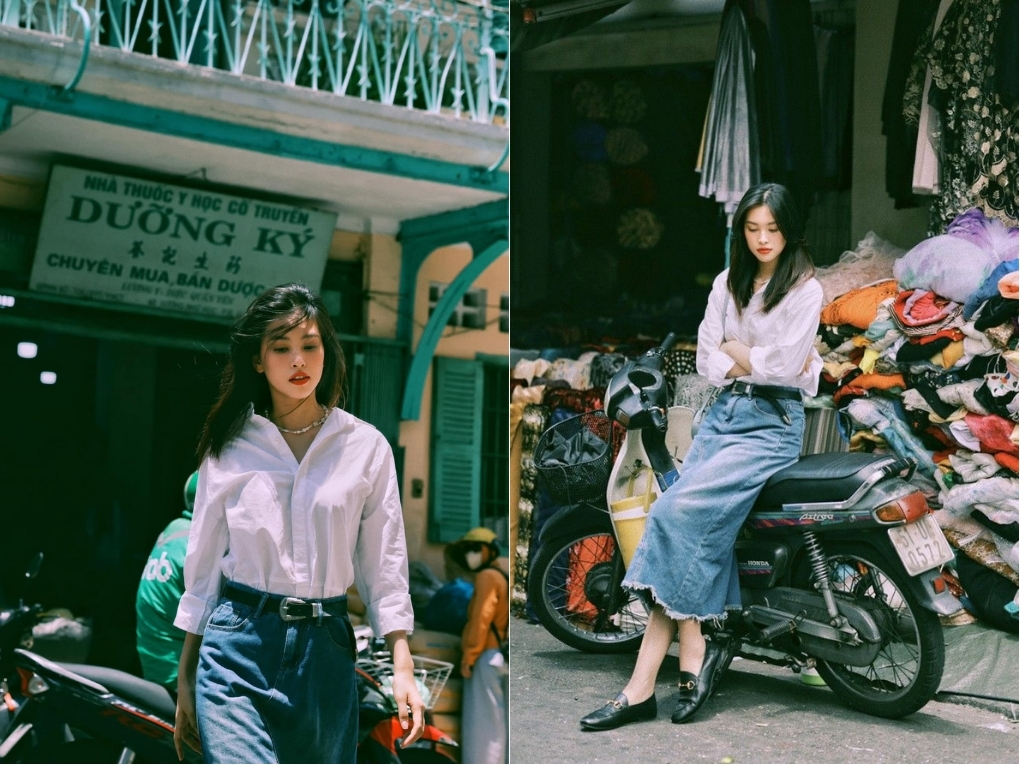
2. Choosing a Cinematic Location
Location(CLICK TO EXPAND)
EDITORIAL ARCHIVE // SOURCE: INTERNET ARCHIVE
The Hong Kong vibe requires spatial depth. Look for:
- Chinese-style diners, local tea shops, or old apartment staircases with two-toned painted walls (green - white).
- Locations with multiple layers: bamboo blinds, reflecting mirrors, rain-streaked glass, or hazy smoke.
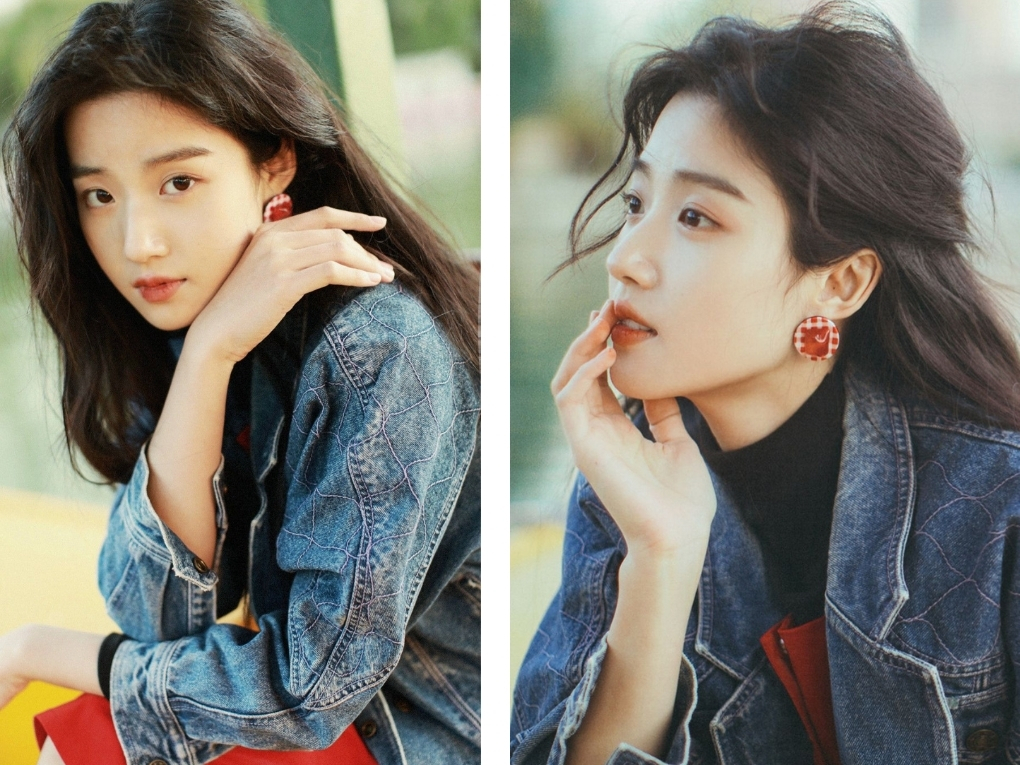
3. Styling & Character Vibe
Styling(CLICK TO EXPAND)
EDITORIAL ARCHIVE // SOURCE: INTERNET ARCHIVE
Avoid acting that looks straight into the lens with a bright smile.
- Expression: Pensive, absent-minded, carrying urban loneliness or a bit of indifference.
- Wardrobe: Slit cheongsams (qipao), retro patterned shirts, oversized leather jackets, metal-framed sunglasses, or cigarettes as props.
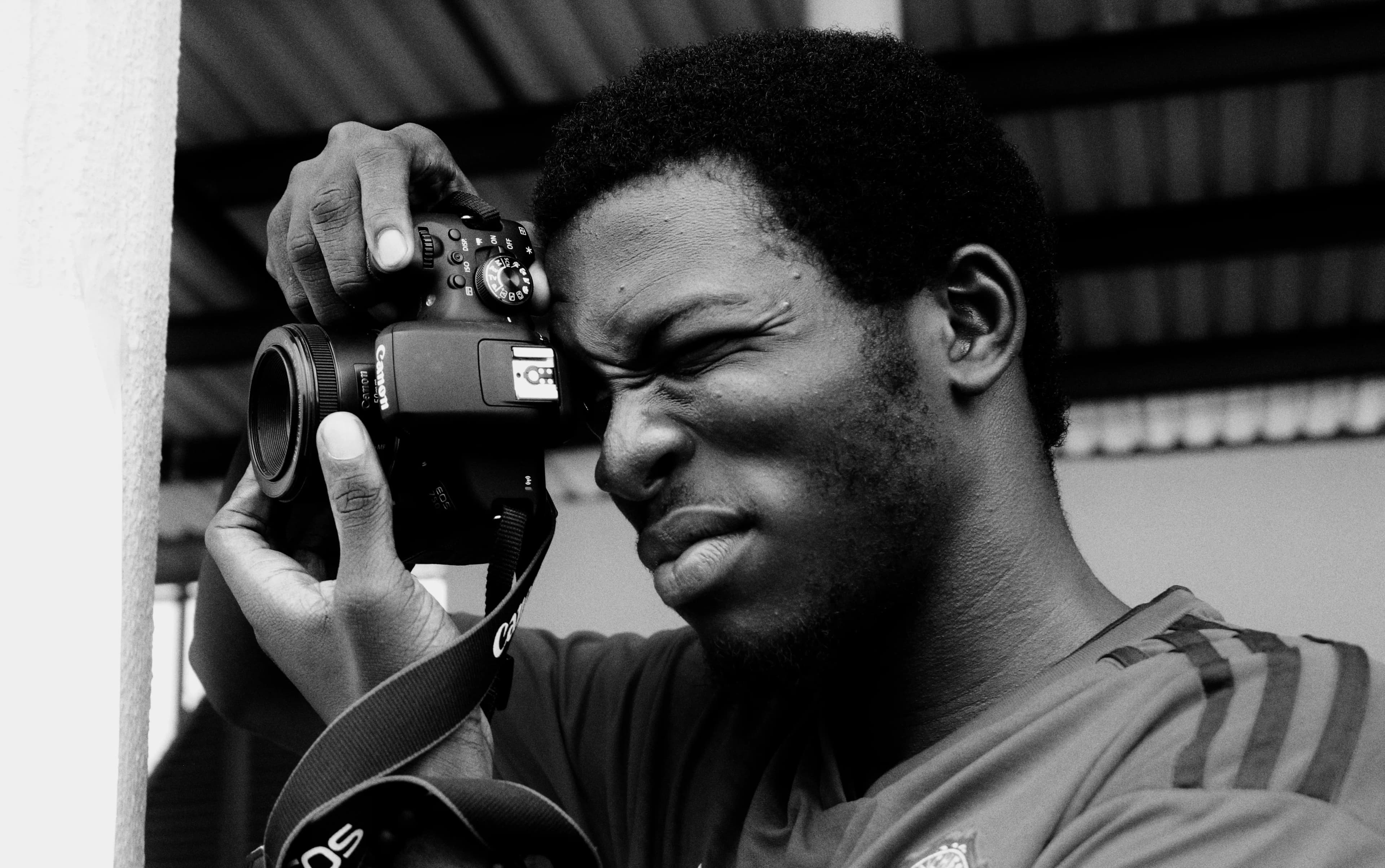
4. Camera Specifications and Techniques
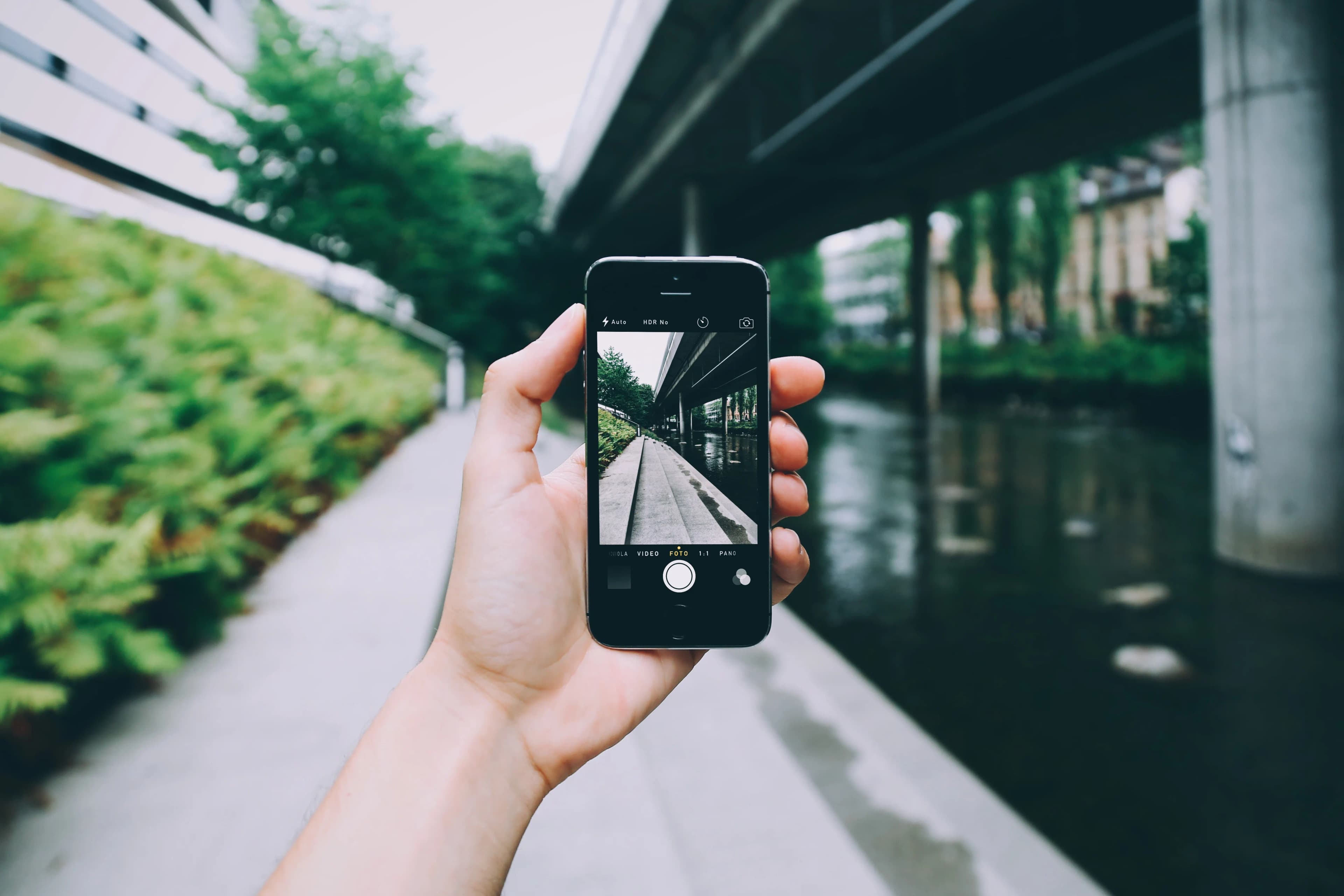
Camera Specs(CLICK TO EXPAND)
EDITORIAL ARCHIVE // SOURCE: INTERNET ARCHIVE
- White Balance: If shooting digital, try fixing the White Balance at 3800\text{K} - 4300\text{K} when shooting under yellow lights. This automatically shifts shadows to a cool blue/cyan, separating the subject from the background.
- Controlled Movement: Drop your shutter speed to 1/15\text{s} - 1/30\text{s} and combine it with Slow Sync Flash to create motion blur trails around the subject while keeping the face relatively sharp. This is also a great creative exercise when you don't know what to shoot.
Lightroom Color Grading Guide for the Hong Kong Look
Even as AI editing tools evolve, mastering color theory is invaluable. Follow these steps to build the color structure:
1. Tone Curve:
- RGB Curve: Slightly lift the Black point (bottom-left corner) to about 5–8% to create a matte/faded feel. Form a gentle S-curve to maintain midtone contrast.
- Green Curve: Slightly lift the Shadows to introduce a hazy green tint to the dark areas.
- Blue Curve: Drop the Highlights slightly to lean towards warm yellow, and lift the Shadows slightly to compensate with blue.
2. Color Grading / Split Toning:
- Shadows: Hue 140^\circ - 160^\circ (Green/Cyan), Saturation 10 - 20.
- Highlights: Hue 40^\circ - 50^\circ (Yellow-Orange), Saturation 15 - 25.
- Balance: Push towards Highlights so the skin isn't swallowed by the shadow tint.
3. Color Calibration (The Key Tool):
- Red Primary: Increase Saturation slightly (+10), shift Hue right (+5).
- Blue Primary: Shift Hue left (-10 to -25), increase Saturation (+20). This is the trick to keeping skin tones warm and rosy even when the environment is tinted cyan/green.
4. Optical Simulation Effects:
- Slightly reduce Clarity (-5 to -10) to soften digital sharpness.
- Add Grain: Amount 25 - 35, Size 30, Roughness 50 to replicate the organic structure of 35mm film grain.
3 Common Mistakes That Ruin Your Photos
- Applying one preset for all lighting: The Hong Kong look depends 80% on the original light source. A photo taken in harsh midday sun with a Hong Kong preset will just look burnt and aggressively yellow.
- Overusing harsh digital noise: Organic film grain is natural, not sharp black digital noise dots that crush facial details.
- Forgetting Skin Tones: Even if the overall image leans green or yellow, the model's skin on the Vectorscope must retain human hues. Don't turn skin into turmeric yellow or lead gray.
Frequently Asked Questions (FAQ)
Can I get the vintage Hong Kong look shooting with a smartphone?
Yes, but you need to turn off auto-sharpening features (Smart HDR/Deep Fusion) which make the photo too clean and jagged. Use manual shooting apps to lock White Balance and use direct flash in low-light environments.
Which lenses are best for this style?
Vintage manual focus lenses like the Helios 44-2, Canon FD 50mm f/1.4, or modern lenses equipped with a Black Pro-Mist filter (1/4 or 1/8) to soften highlights and create that signature blooming halo effect.
How is the Hong Kong tone different from the Japanese aesthetic?
The Hong Kong tone is dramatic (high contrast, mixed lighting, deep warmth mixed with cold shadows, very nocturnal urban). The Japanese tone leans towards natural daylight, overexposed brightness, pastel/low contrast colors, creating a sense of tranquility and clarity.