The History of the First Camera: Mechanical Design & The Motivation Behind It
Read more
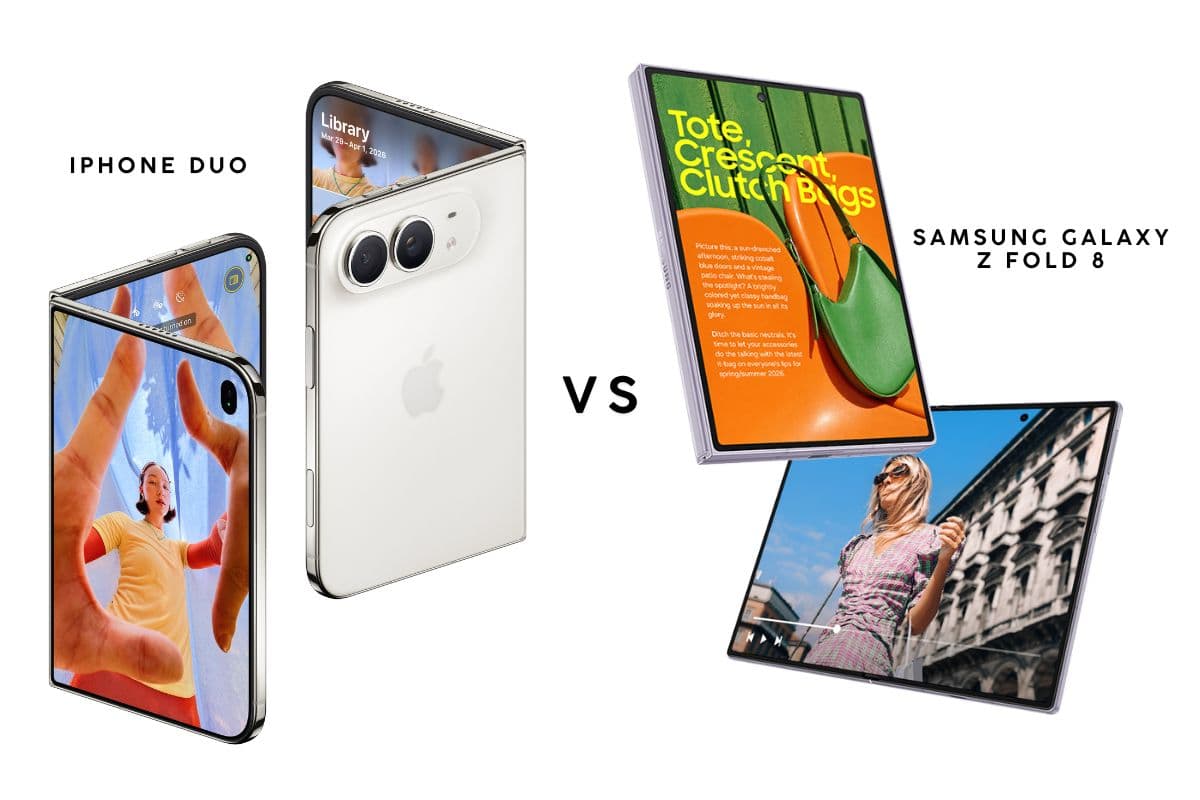
As foldable screen designs approach the limits of thinness and lightness, manufacturers are forced to carefully balance body thickness with physical sensor sizes. The showdown between the iPhone Duo and the Samsung Galaxy Z Fold 8 isn't just a megapixel numbers race; it's a battle of computational photography algorithms and the practical ergonomics for content creators.
Through the lens of a hands-on photographer and videographer (beyond just reading specs), here is a detailed analysis of what these two mobile camera systems bring to the table.
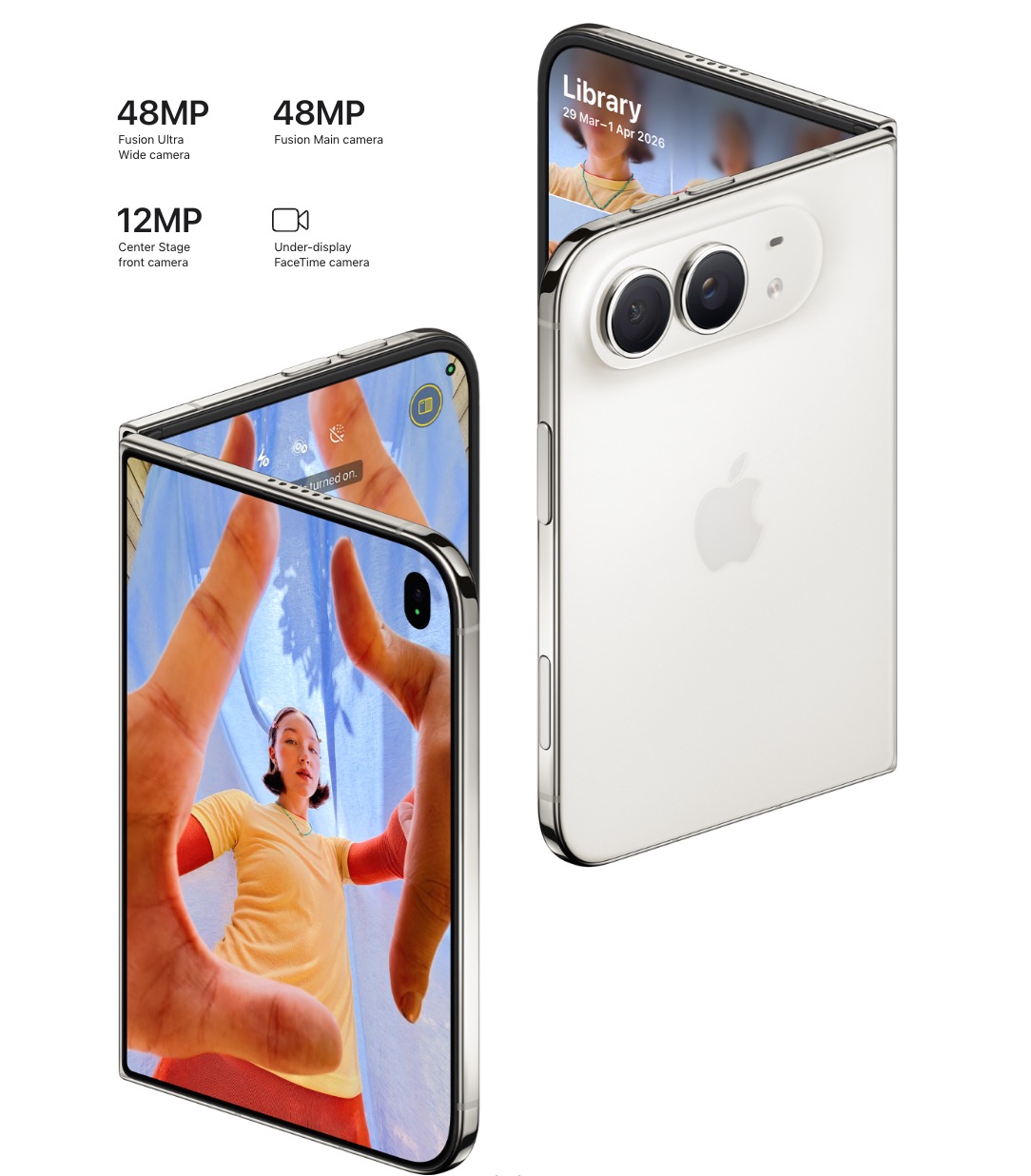
To achieve an ultra-thin body when folded without creating excessively protruding camera bumps, both Apple and Samsung opted for a dual-camera structure on these generations: a Wide paired with an Ultrawide lens, utilizing high-resolution sensors for a 2x optical crop zoom rather than cramming in a bulky periscope lens.
| Criteria | Apple iPhone Duo | Samsung Galaxy Z Fold 8 |
|---|---|---|
| Main Camera (Wide) | 48 MP Fusion, f/1.6, OIS | 50 MP (ISOCELL), f/1.8, Dual Pixel PDAF, OIS |
| Ultrawide Camera | 48 MP, 120° FOV | 50 MP, f/1.9, super wide FOV |
| Processing Algorithms | Photonic Engine, Smart HDR, Deep Fusion | ProVisual Engine, Nightography, Galaxy AI |
| Max Video Recording | 4K 60fps Dolby Vision HDR | 8K UHD 30fps / 4K 60fps |
| Front/Sub Camera | 12 MP outer & Under-display inner | 10 MP outer & 10 MP inner |
Apple iPhone Duo: Smooth Tonal Transitions

The iPhone Duo's 48MP main camera continues to showcase Apple's core strength: incredibly smooth highlight roll-off. When shooting in harsh backlit scenes (like sunlight piercing through trees or sunset portraits), Smart HDR on the iPhone retains sky details without flattening the dimensional shape of the subject's face. The 48MP Fusion sensor allows for a 12MP 2x crop with natural optical sharpness, minimizing artificial over-sharpening.
Samsung Galaxy Z Fold 8: Dimensionality and Micro-Contrast
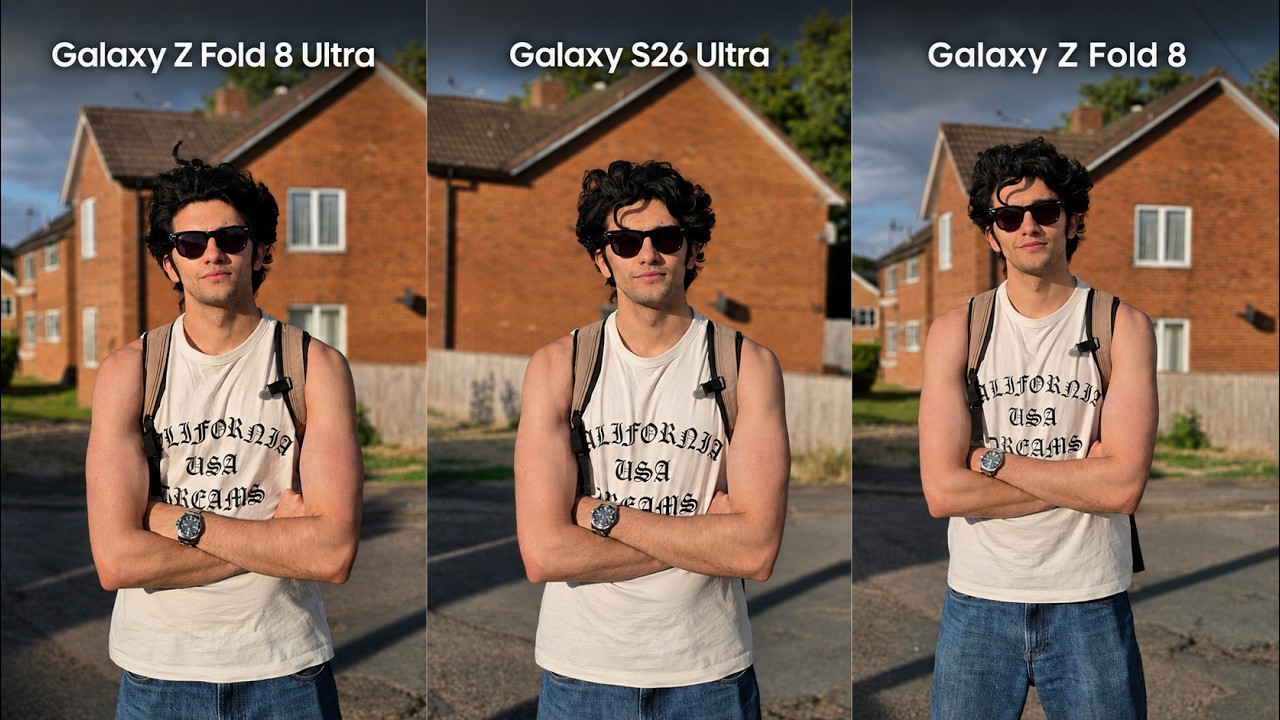
Samsung equips the Fold 8 with a 50MP main sensor paired with an improved image signal processor from its new-gen chip. Photos from the Fold 8 feel very "separated": shadows are lifted moderately, and architectural lines have high sharpness. However, in frames with complex light sources, the ProVisual algorithm sometimes processes highlights a bit too harshly, pushing saturation slightly higher than reality to create immediate visual appeal.
The biggest difference between the two devices lies in their color philosophy:
Integrated with current trends of using AI photo editing tools, both devices are gradually optimizing their color pipelines.
When ambient light drops below 5 lux:
Fold 8 with Nightography: Samsung does a great job controlling lens flare from streetlights and LED signs. Shadows are cleanly denoised, helping the overall frame look pristine, though occasionally at the cost of losing some natural material texture.
iPhone Duo with Photonic Engine: Apple aims to retain a certain amount of fine luminance noise so the photo preserves the authentic atmosphere of the night. The autofocus and capture speed of the iPhone Duo at night is almost instantaneous, minimizing the risk of blurry photos from handshakes.
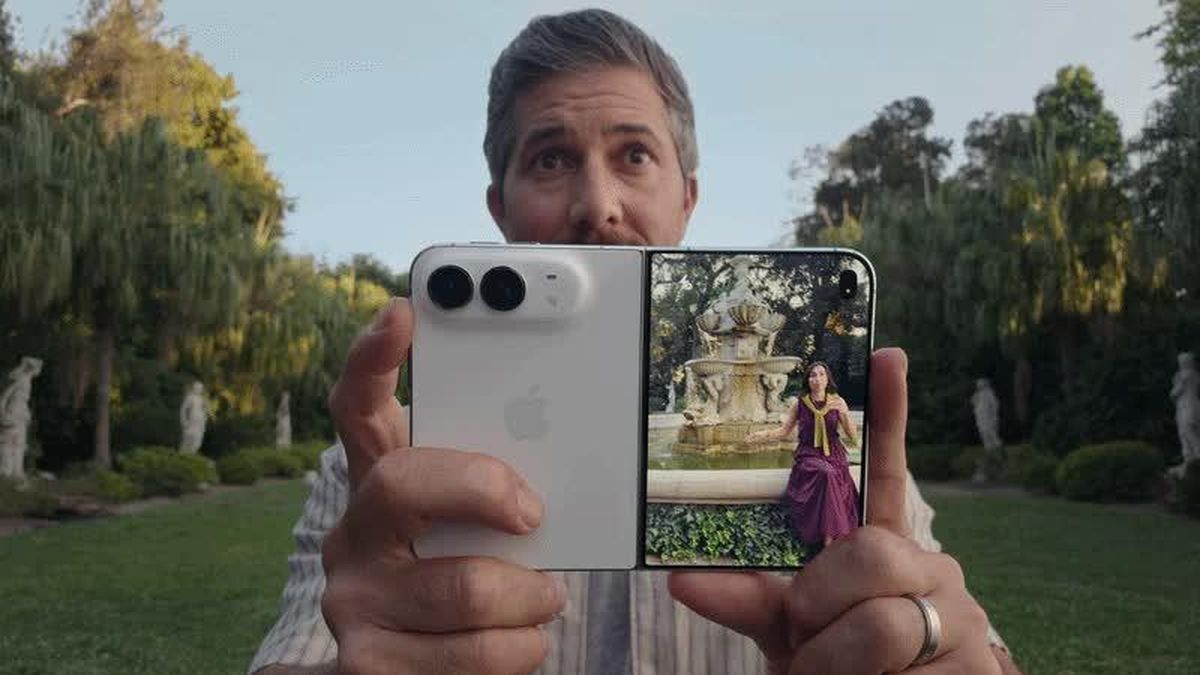
The most valuable aspect of the camera clusters on these two devices isn't the sensor, but the flexible folding body:
Samsung Galaxy Z Fold 8: Flex Mode is exceptionally well-polished in terms of app interface. Photographers can half-fold the device onto a table to shoot a timelapse while simultaneously reviewing the recently taken photos on the timeline on the other half of the screen without leaving the camera app.
iPhone Duo: Capitalizes on its software ecosystem with a seamless Dual Preview mechanism. A major plus is that the person in front of the lens can fully see their expressions and poses via the outer sub-screen in real-time with extremely low latency.
Stability and Audio on the iPhone Duo Whether you're creating long-form video (vlogs, documentaries) or short-form, the iPhone Duo remains the top contender. Its high dynamic range preview via Dolby Vision HDR, a directional mic system that captures clean voice audio while canceling wind noise, and smooth lens transition mechanisms make it a true mobile content creation powerhouse.

Resolution and AI Features on the Galaxy Z Fold 8 Support for up to 8K UHD recording provides a massive amount of detail for cropping during computer edits. Additionally, the smart AI Audio Eraser and auto-framing speaker detection directly on the device offer immense flexibility for solo creators.
| Choose the iPhone Duo if: | Choose the Galaxy Z Fold 8 if: |
|---|---|
| • You prioritize pro video, needing true skin tones and smooth tonal transitions. | • You like sharp, vibrant colors, and punchy contrast ready to post instantly. |
| • You are accustomed to the Color Grading workflow within the Apple ecosystem. | • You need 8K video resolution for frame extraction or advanced post-production. |
| • You need a solo vlogging device with optimal microphone and stabilization systems. | • You enjoy leveraging Galaxy AI photo editing features directly on a large screen. |
Since neither phone has a dedicated telephoto periscope camera, will zooming in ruin the image? At focal lengths between 2x and 3x, thanks to high-resolution sensors combined with pixel binning and In-sensor zoom cropping, the image quality is sharply close to a dedicated optical lens. However, if you frequently shoot sports at 5x zoom or higher, details will visibly degrade compared to pro-zoom models like the iPhone Pro Max or Galaxy Ultra.
Does using the main camera for selfies via the outer screen cause hand fatigue? No. Both the iPhone Duo and the Galaxy Z Fold 8 have been weight-optimized to be very light (Fold 8 is approx. 201g). The balanced design when folded allows you to hold it with one hand and press the shutter/volume button very securely.
Which device supports direct on-device photo editing better? The Galaxy Z Fold 8 holds the advantage thanks to its expansive inner display ratio and the Galaxy AI toolkit (object eraser, generative fill). Conversely, the iPhone Duo excels in cinematic standard color display uniformity and the instantaneous responsiveness of professional graphics apps.