The History of the First Camera: Mechanical Design & The Motivation Behind It
Read more
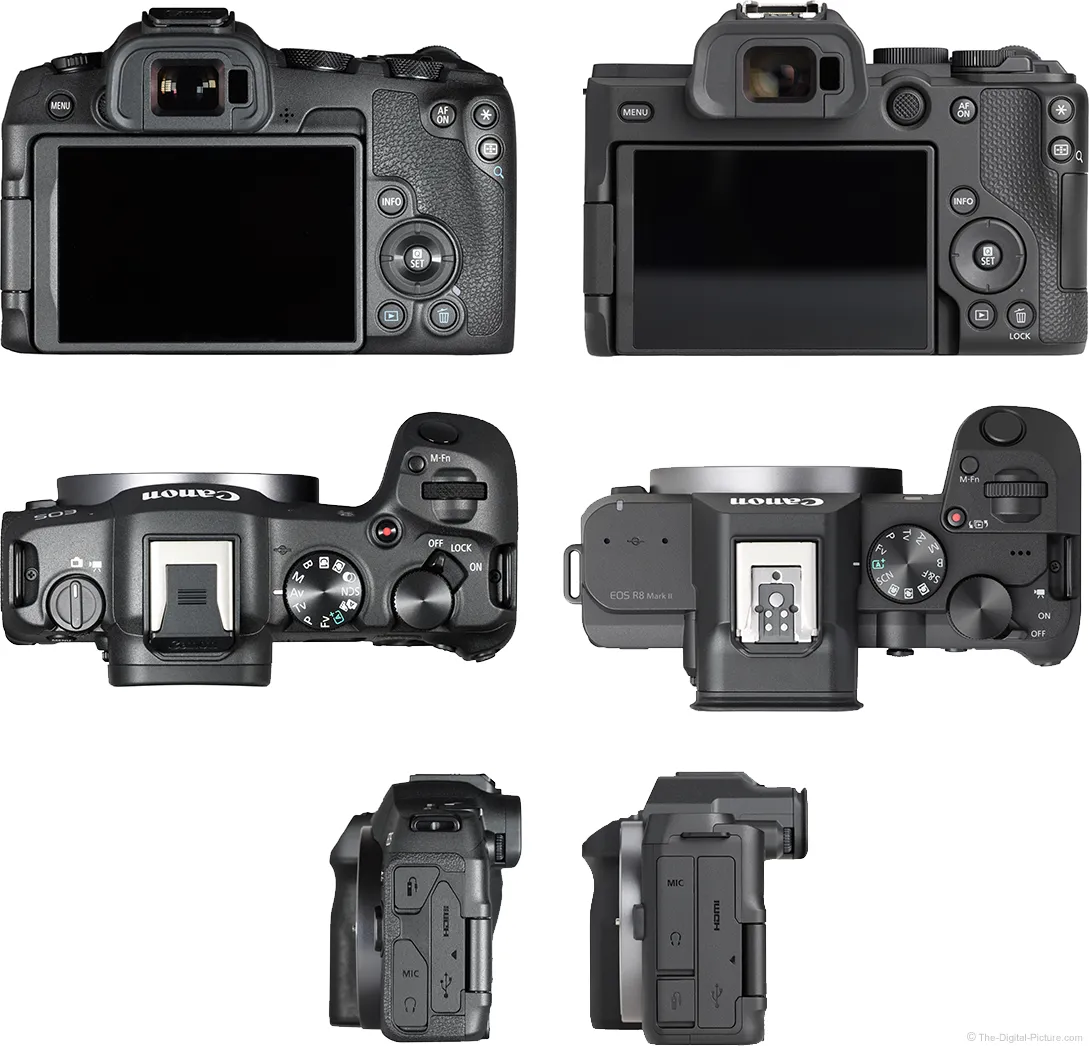
The arrival of the Canon EOS R8 Mark II (launched in September 2026) is the center of attention in the photography community, especially for those who love the mobility of compact full-frame cameras. In the first generation, the biggest negative point that made many street photographers and short-video creators hesitate was the absence of an In-Body Image Stabilization (IBIS) system.
Is this Mark II version the missing puzzle piece we've been waiting for? Below is an in-depth analysis based on the official specs and newly announced hardware architecture. This article is part of our highly anticipated 2026 camera buying guide.
The Arrival of IBIS — The Missing Puzzle Piece
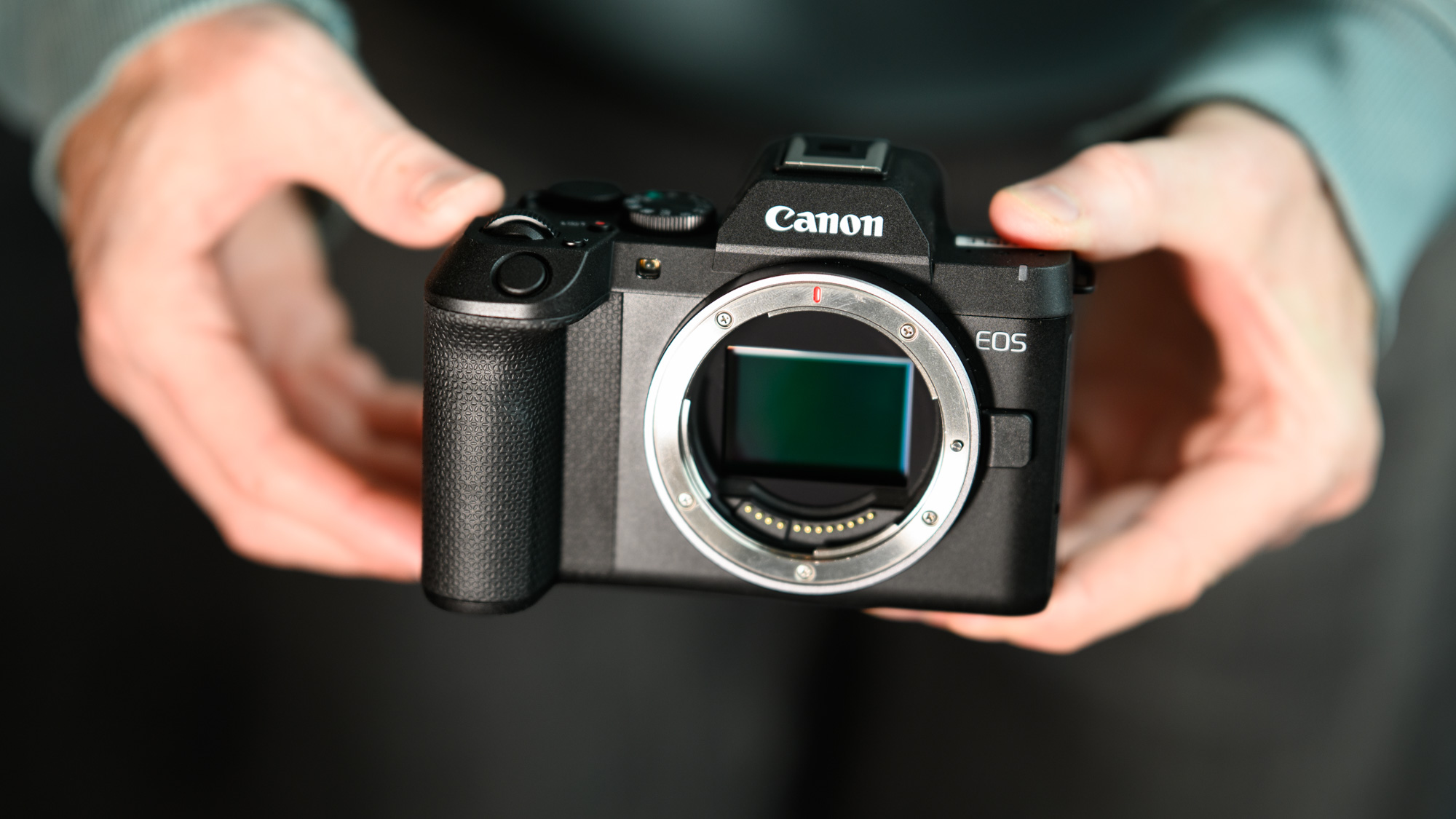
Listening to community feedback, Canon has finally integrated a sensor-shift In-Body Image Stabilization (IBIS) system into the signature slim and light body of the R8 series. According to CIPA standards, the Coordinated Control IS performance reaches up to 7.5 stops in the center and 7 stops at the periphery when used in conjunction with compatible RF lenses.
Adding IBIS without significantly increasing the overall size and weight is a massive step forward. This allows street or travel photographers to confidently shoot at slower shutter speeds at night or record more stable handheld video without always lugging around a tripod.
Autofocus System and Reliability

The camera continues to inherit and refine the algorithm from the Dual Pixel CMOS AF II system. Tracking capabilities (humans, animals, vehicles) are optimized for deeper low-light sensitivity, minimizing focus hunting when subjects move chaotically across the frame, which is perfect for those passionate about sports or pet photography.
Based on official announcements from Canon, the specifications table of the EOS R8 Mark II includes the following key points:
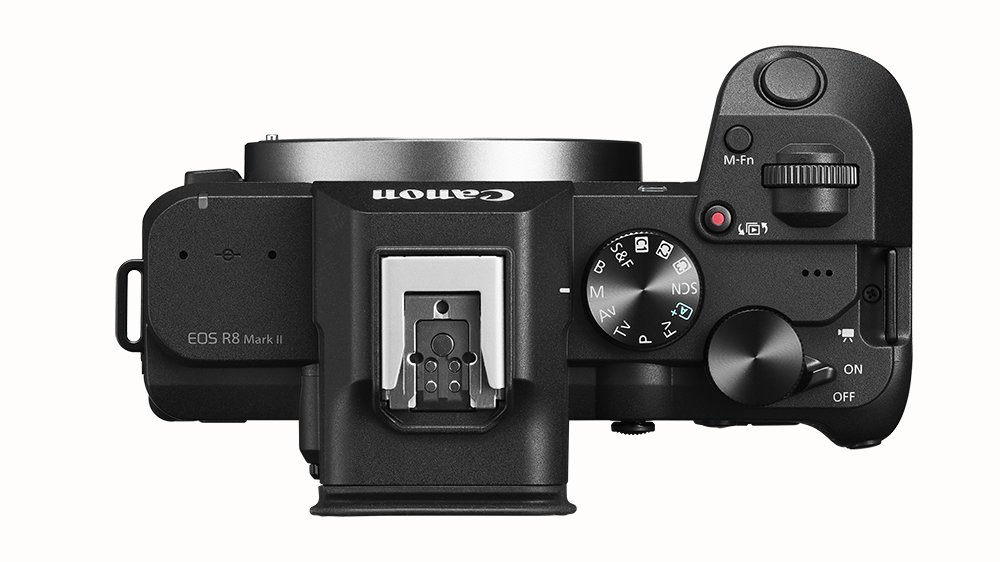
| Specifications | Canon EOS R8 Mark II |
|---|---|
| Sensor | Full-frame CMOS approx. 24.2 Megapixels |
| Stabilization (IBIS) | Up to 7.5 stops (Coordinated Control IS) |
| Autofocus System | Dual Pixel CMOS AF II |
| Starting Price | Approx. $2,000 (from £1,729) body-only |
| Availability | Shelves from late October 2026 |

You should pull the trigger if:
You should stick with your current gear if:

Does the Canon EOS R8 Mark II share the same battery as the old R8? Yes. The EOS R8 Mark II continues to use the familiar LP-E17 battery. However, because it has to "carry" the additional IBIS system, battery life remains a point of consideration. According to CIPA ratings, the camera achieves approximately 220 shots when using the electronic viewfinder (EVF) and 340 shots using the LCD screen. Heavy users definitely need to buy spare batteries.
Does the camera support dual memory card slots? No. To maintain the signature slim and light design of the entry-level full-frame segment, the Canon EOS R8 Mark II retains a single SD UHS-II memory card slot design.
Can I charge the battery directly in the camera? Yes. The R8 Mark II supports internal charging via its USB-C port, which is highly convenient when you are on the move and only carrying a power bank.