Have you ever found yourself in this situation: Standing before a breathtaking sunset, you pull out your phone or camera to snap a photo, and boom... The sky turns out as white as a sheet of paper, or the ground is as dark as a blackout.
This is when internet photographers usually chime in: "Just turn on HDR, bro!" But knowing exactly when to use HDR photography isn't common knowledge. Use it correctly, and you get a visual masterpiece. Use it wrong, and your photo looks like a cheap, oversaturated cartoon.
Let's grab a coffee, sit down, and dissect exactly when you should "activate" this weapon!
What on earth is HDR photography and why the hype?
What is HDR(CLICK TO EXPAND)
EDITORIAL ARCHIVE // SOURCE: INTERNET ARCHIVE
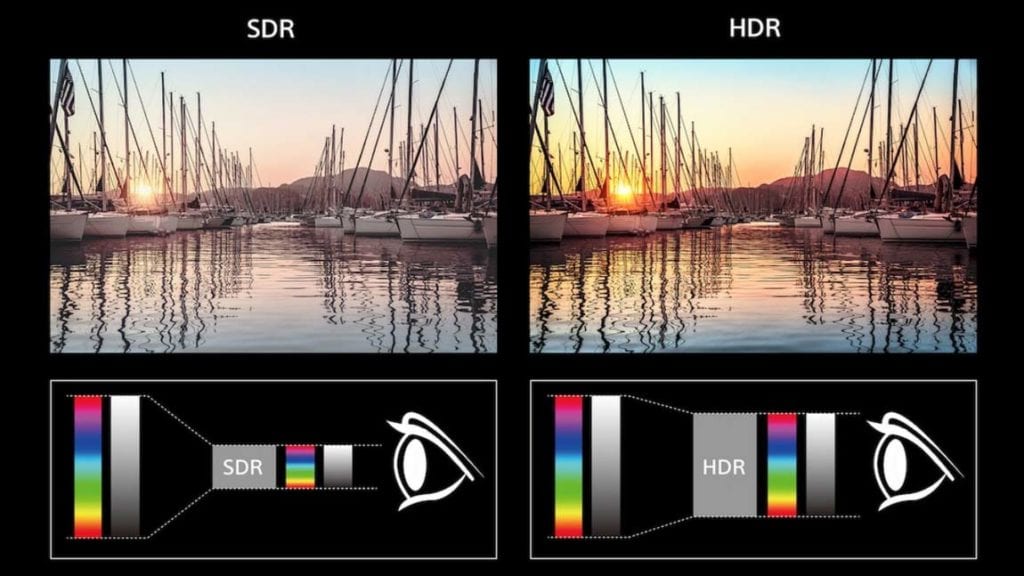
HDR (High Dynamic Range) essentially expands the dynamic contrast of an image.
Instead of taking a single shot, your camera (or phone) "greedily" takes 3 to 5 continuous shots at different exposure levels: one super dark (to capture highlight details), one normal, and one super bright (to rescue shadow details). Then, an algorithm "cooks" them together into one perfect image, preserving every detail from the darkest shadows to the brightest highlights.
But life isn't always a dream. This "hotpot" doesn't always taste good.
When to use HDR Photography? (When should you hit this "God Mode"?)
If you want a beautifully presented photo that catches the viewer's eye from the very first second, turn on HDR in these 3 "golden" situations:
1. High-Contrast Landscapes
Landscape HDR(CLICK TO EXPAND)
EDITORIAL ARCHIVE // SOURCE: INTERNET ARCHIVE
You are standing in the middle of majestic nature, the sun is blazing in the sky, but the ground is heavily shaded by trees. A normal camera cannot capture both.
- The Solution: Turn on HDR. The sky will keep its clear blue color and fluffy white clouds, while the grassy ground remains vibrant and detailed. Just remember to choose the right gear to maximize your sensor's potential.
2. Backlit Portraits
Backlit Portrait HDR(CLICK TO EXPAND)
EDITORIAL ARCHIVE // SOURCE: INTERNET ARCHIVE
The sunlight is hitting your model from behind, giving their hair a gorgeous artistic rim light, but their face is completely underexposed. If you boost the exposure, the sky behind them will blow out into pure white.
- The Solution: HDR helps rescue the light on the model’s face without losing the brilliant sunset background. The resulting photo will be incredibly pleasing to the eye.
3. Real Estate / Interior Photography
Real Estate HDR(CLICK TO EXPAND)
EDITORIAL ARCHIVE // SOURCE: INTERNET ARCHIVE
This is a goldmine for professionals. When shooting indoors with large windows letting light in, HDR is mandatory. Without it, the room will be well-lit while the window is a blinding white blob, or the window view will be clear while the room looks like a dungeon.
When to say NO to HDR? (Turn it off before you regret it)
Many newbie photographers leave their cameras on Auto HDR and then cry over ruined photos. Turn HDR off immediately in these scenarios:
-
Moving Subjects: Kids running, pets, or moving cars. Remember, HDR merges several continuous shots. If the subject moves, the final photo will display jarring, blurry "ghosting" effects.
Ghosting HDR(CLICK TO EXPAND)
EDITORIAL ARCHIVE // SOURCE: INTERNET ARCHIVE
-
Silhouettes or Moody Shots: Want to capture a mysterious, pitch-black silhouette against a sunset sky? HDR will "kindly" try to brighten those dark shadows, and suddenly your emotional, artistic photo becomes a washed-out, grey, and flat image.
Silhouette(CLICK TO EXPAND)
EDITORIAL ARCHIVE // SOURCE: INTERNET ARCHIVE
-
Environments with Flat, Even Lighting: If the lighting is already smooth, turning on HDR will just make the colors aggressively oversaturated, stripping away the natural look and authentic contrast of the image.
Sunset Rock Ocean View(CLICK TO EXPAND)
EDITORIAL ARCHIVE // SOURCE: PEXELS
Raw Reviews from Reddit & FB Groups: What's the Internet Saying?
Scroll through photography groups and Reddit (especially r/photography), and you'll find the community fiercely debating HDR. Here are the most brutally honest insights:
- 🗣️ U/PixelPeepingPro (Reddit): "Good lord, to the beginners: please stop cranking the HDR slider in Lightroom to 100%. There is literally an entire sub called r/shittyHDR dedicated to roasting those fake glowing halos around trees. It hurts to look at!"
- 🗣️ Hoang Tran (Vietnamese Photography Group Member): "If you don't use HDR for real estate, clients will fire you. Thanks to smarter algorithms, we don't have to carry heavy lighting gear anymore. Just shoot brackets and blend them for a crystal-clear image."
- 🗣️ U/LensLover99 (Reddit): "HDR on phones is so good now; it calculates everything for you. But when shooting on a proper camera, I still prefer manually bracketing and blending in Photoshop. It looks way more real and has actual depth."
The Verdict: The community agrees that HDR is a powerful tool, but they are highly allergic to the "abuse" that makes images painfully oversaturated and robs them of natural contrast. Sometimes, embracing natural contrast is what makes hidden local cafes look so vintage and charming.
Stop doing bad HDR(CLICK TO EXPAND)
EDITORIAL ARCHIVE // SOURCE: INTERNET ARCHIVE
Final Thoughts: Don’t Be a Visual Disaster!
Knowing when to use HDR photography is the fine line between a photographer who controls their gear and one who is controlled by it. Use HDR like an expensive spice: sprinkle it in the right places, and the dish will soar; dump the whole bottle, and people will run away. Get out there, turn off Auto mode, and start experimenting so your eyes can decide what your photo really needs!