If you’ve ever wandered into a photography Facebook group or scrolled through a Reddit thread just to innocently ask, "Hey guys, should I shoot RAW or JPEG?", congratulations! You’ve just ignited an internet war as fierce as Marvel fans battling DC fans.
One side scoffs: "Buying a thousand-dollar camera just to shoot JPEGs? You might as well just use your phone!". The other side snaps back: "Who has the time to color-grade RAW files for hours? JPEGs are ready to go and look great!".
So what exactly are RAW and JPEG, and why do they cause such a fuss? Which one is the true choice for those passionate about beauty and presenting images visually and artistically? Grab a coffee, and let's demystify these two formats!
1. The Eternal Pain: "Why do my RAW photos look so bad?"
Many beginners panic when they open a RAW file on their computer for the first time. On the camera's screen, it looked vibrant and stunning, but on the PC monitor, it appears dull, grayish, and as bland as unseasoned soup. Meanwhile, the JPEG shot at the exact same moment looks punchy and pleasing to the eye right away.
What's going on? Don’t panic, your camera isn't broken. This is simply the nature of the two formats.
The RAW File – "A Solid Block of Fine Wood"
True to its name, RAW means "unprocessed". It records 100% of the data captured by the camera sensor, with no additions or subtractions. The camera puts its full trust in you: "Here are the premium ingredients, take them home and cook (post-process) them however your skills allow!".
- Pros: Incredible "saving" capability, allowing you to recover details in shadows and highlights magically. You can completely change the White Balance without degrading image quality.
- Cons: Heavy! They consume a massive amount of memory card and hard drive space. You are required to use specialized software (like Lightroom or Capture One) to "cook" them before exporting a usable image.
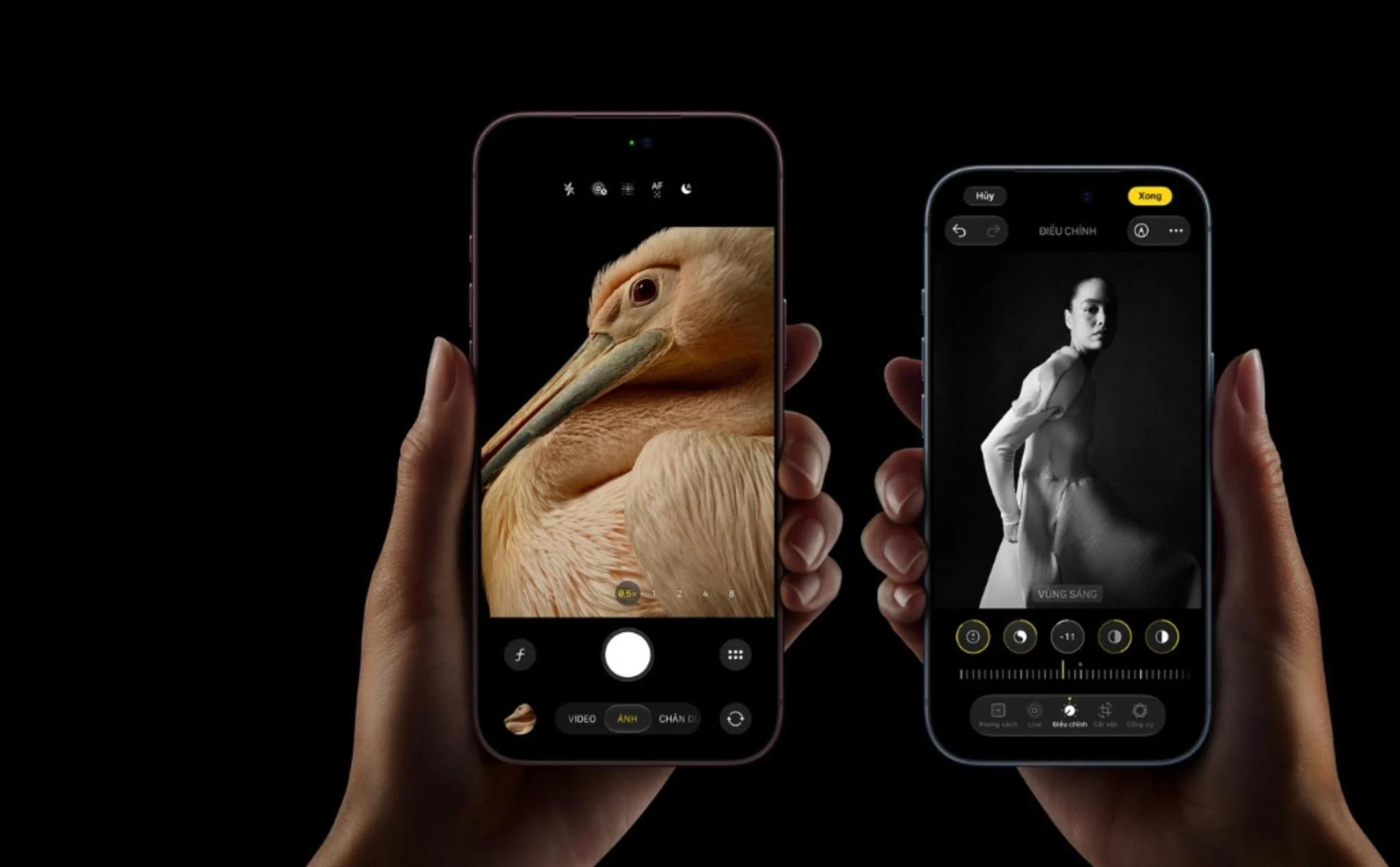
RAW processing(CLICK TO EXPAND)
EDITORIAL ARCHIVE // SOURCE: INTERNET ARCHIVE
The JPEG File – "A Delicious Bowl of Instant Noodles"
When you choose JPEG, the camera automatically takes on the role of a chef. It takes the data, automatically applies sharpening, boosts saturation, tweaks the contrast, and then compresses it into a super-lightweight file.
- Pros: Instant gratification! You have a ready-to-use image to post straight to social media without a second thought. Saves tons of storage space.
- Cons: Because the camera has already "cooked" it, it's very hard for you to re-season. If the photo is overexposed or the colors are heavily skewed, recovering it on a JPEG is almost impossible (the image will become muddy and noisy).
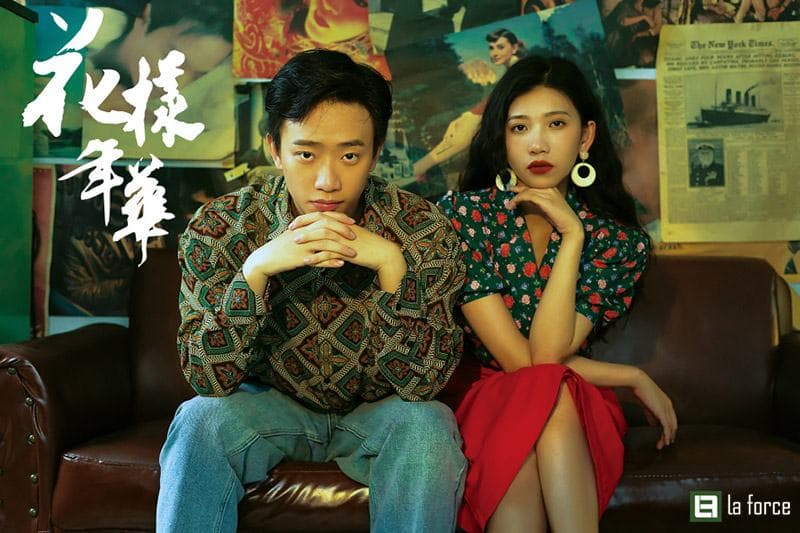
JPEG processing(CLICK TO EXPAND)
EDITORIAL ARCHIVE // SOURCE: INTERNET ARCHIVE
2. A Visual Showdown: RAW vs JPEG
For those who prefer clear and straightforward comparisons, check out this ultimate summary:
- Nature:
- RAW: Original, unprocessed data.
- JPEG: Processed and compressed by the camera.
- File Size:
- RAW: Extremely heavy (usually 20MB - 80MB/photo).
- JPEG: Very light (usually 2MB - 10MB/photo).
- Post-Processing:
- RAW: Infinite. Ultimate highlight & shadow recovery.
- JPEG: Limited. Heavy editing will ruin the image.
- Convenience:
- RAW: Requires specialized software to read.
- JPEG: Opens on any device, ready for the web.
- Best Suited For:
- RAW: Commercial work, landscapes, fine art.
- JPEG: Fast-paced events, family vacations.
To ensure this article isn't just "pure theory," I've lurked in photography forums worldwide, and here are some golden (and occasionally toxic) quotes from the players:
- 🗣️ The_Pixel_Peeker (Reddit - r/photography): "Honestly, shooting RAW has saved me more times than I can count. The other day I was shooting a wedding, my flash misfired, and the photo was pitch black. Thanks to RAW, I brought the exposure back perfectly. If that was a JPEG, I would've been paying the bride a refund!"
- 🗣️ Fuji_Fanboy_99 (Facebook Group): "You guys are obsessed with RAW, but ever since I switched to Fujifilm, I shoot straight JPEG. Fuji's Film Simulations produce JPEGs that are so beautiful and cinematic. I don't have the time to sit at a computer editing colors; I’d rather spend that time hanging out at the best cafes in Saigon."
- 🗣️ Hoang_Hau_Ky (YouTube Comment): "Many event shooters taking 2000 shots a day would spend more on hard drives than they make if they only shot RAW. The best combo is setting the camera to RAW + JPEG. If you like the colors, use the JPEG. If you messed up the exposure, pull out the RAW to save it."
In Summary: The community is deeply divided. Team RAW represents perfectionism and a desire for maximum control. Team JPEG represents convenience, speed, and workflow optimization. Both have their own charm, much like deciding whether to choose film photography for a trip or stick with digital.
4. The Verdict: When to shoot RAW, and when to roll with JPEG?
Final Verdict(CLICK TO EXPAND)
EDITORIAL ARCHIVE // SOURCE: INTERNET ARCHIVE
No format is absolutely supreme; there is only the format that best suits your goals.
🔥 Set your camera to RAW when:
- You are shooting important sessions (weddings, commercial products).
- Shooting in highly complex lighting conditions (strong backlighting, huge contrast between light and dark).
- You are passionate about color grading, consider post-processing half the soul of a photograph, and want to turn your shots into viral content across social media platforms.
⚡ Confidently shoot JPEG when:
- Shooting sports events or parties where files need to be delivered immediately.
- Taking casual family or travel photos and you are too lazy... to turn on your computer.
- Your memory card is screaming "Full" but the shoot is far from over.
- You are using a camera system with exceptional in-camera color processing algorithms (like Fujifilm, and sometimes Olympus).
💡 Pro Tip: If your memory card is large enough, choose the RAW + JPEG mode. You'll get a JPEG to view quickly and post to Facebook right away, and a RAW file tucked away as "insurance" in case you want to do a premium color grade later. Just like when you learn how to overcome camera shyness, you'll always be confident and in control of every moment.