Smartphones Are Too Good, Cameras Too Smart: Why Do You Still Need a Photographer?
Read more

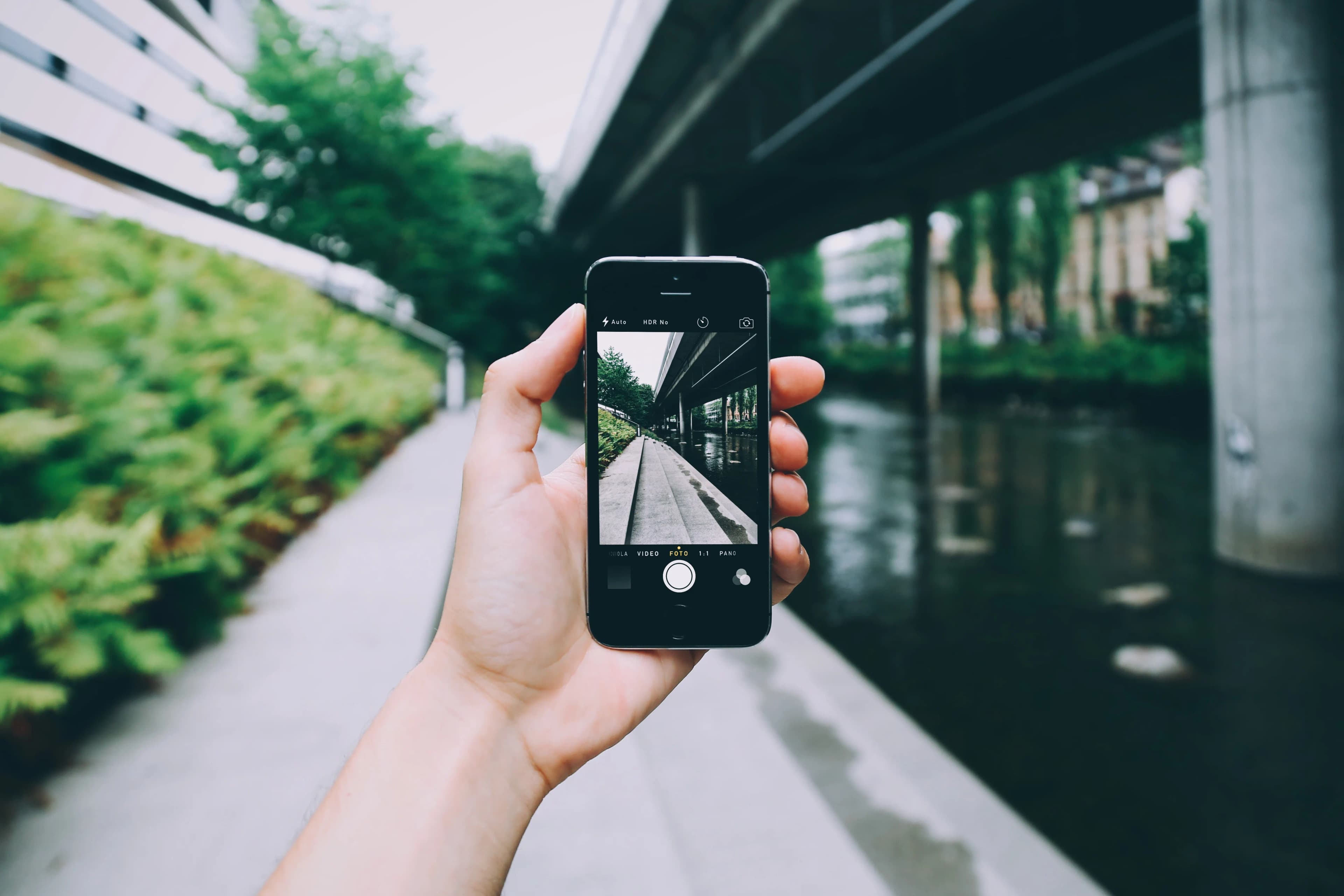
Distance to the world, physical focal length, conscious focal length, distance to people, and time. In expressing oneself, whether consciously or unconsciously, a person constantly measures their distance from the world. Do we step closer or pull away? How deep do we dive? From where do we observe? These subtle differences accumulate, eventually becoming one's distinct personality and reflecting in variations of expression.
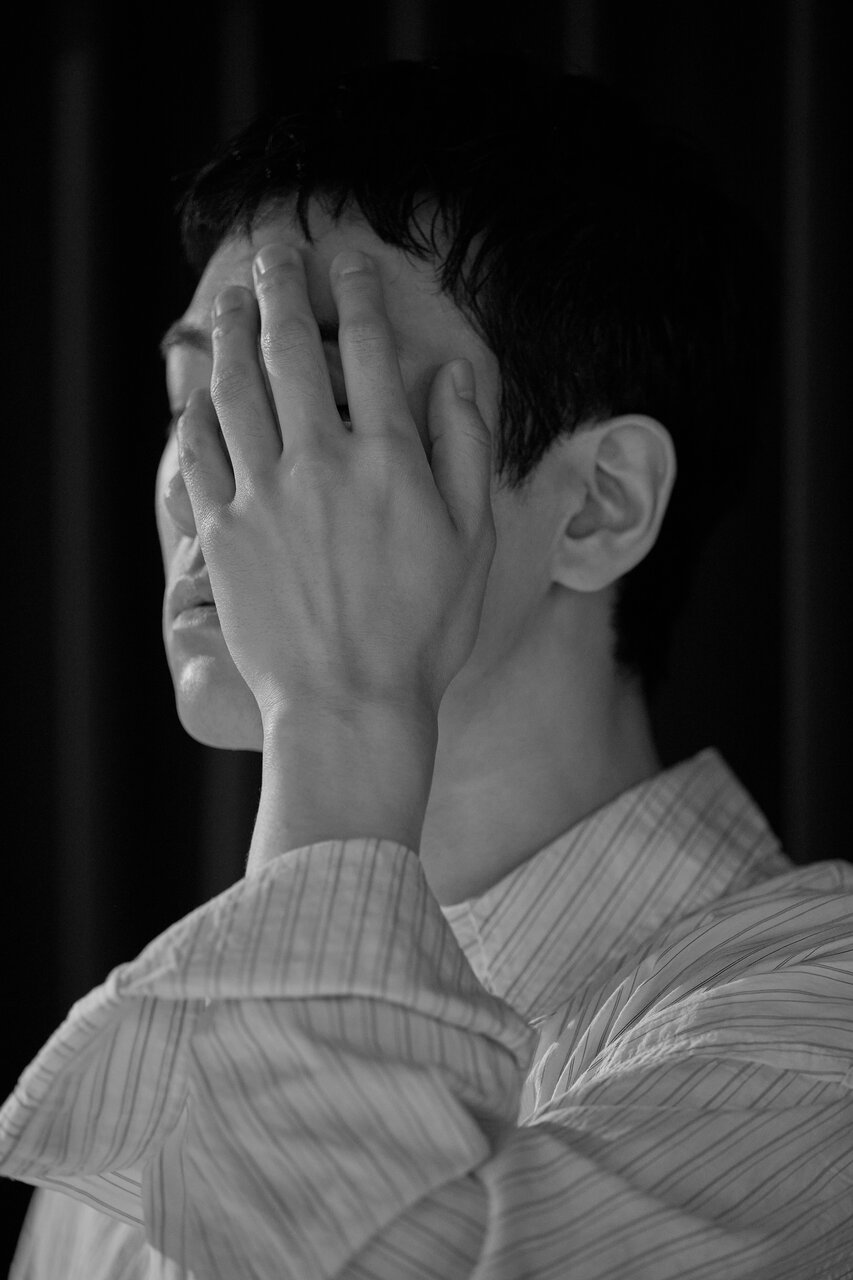
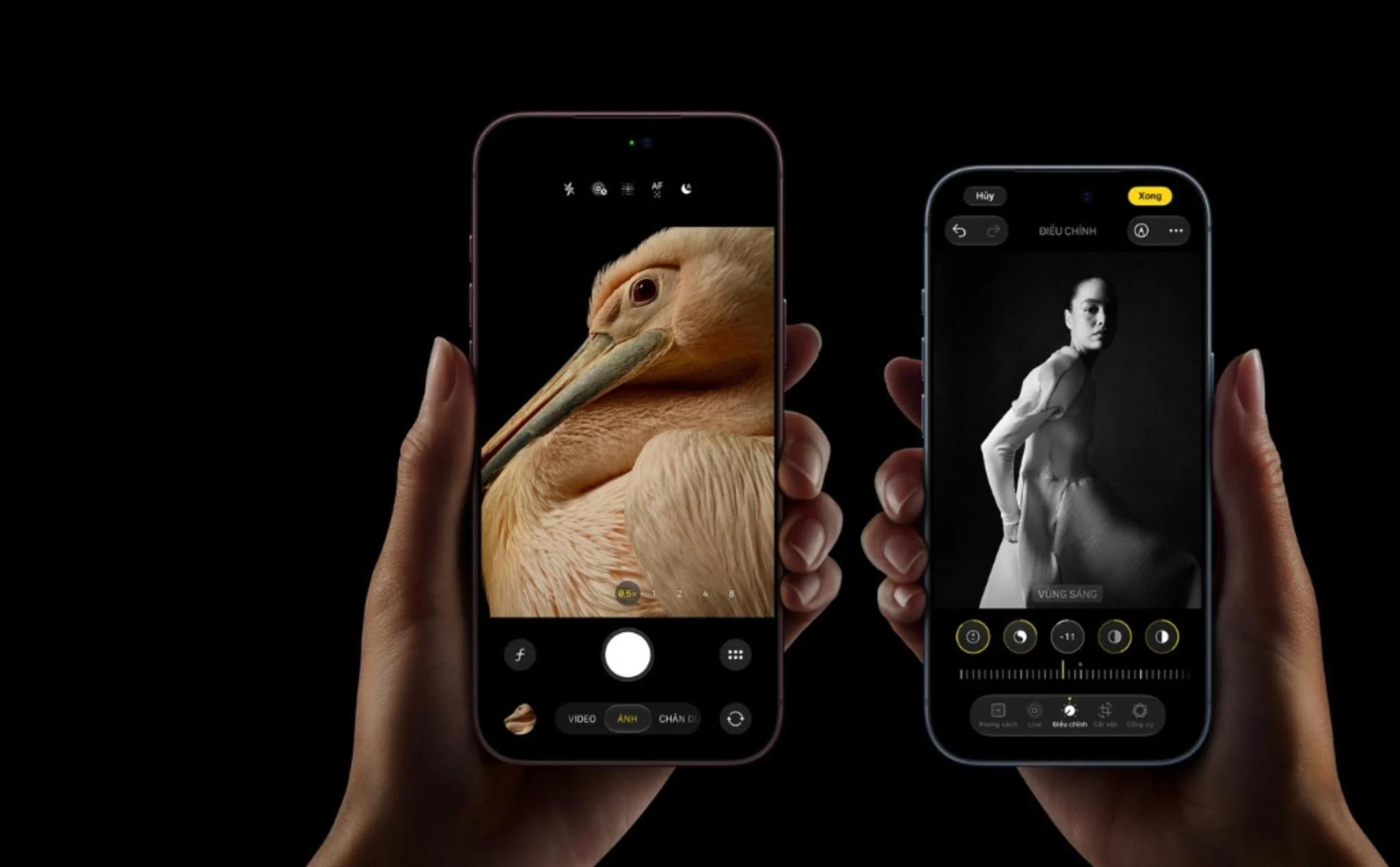
Whether in photography, acting, or words, how we see the world changes depending on where we stand to look at it. Just as changing the focal length—or finding a new angle at one of the best photography spots in Saigon—can make the exact same scenery look entirely different.
From April 29 to May 6, I will be performing in the stage play "Shunkinsho" at the New National Theatre, Small Theatre, and currently, I am facing words every single day. Even with the exact same words, completely different interpretations arise based on the historical background, the environment in which a person has lived, and their past experiences. The words themselves do not change. I believe it is the "distance" and "depth" at which we receive them that changes.
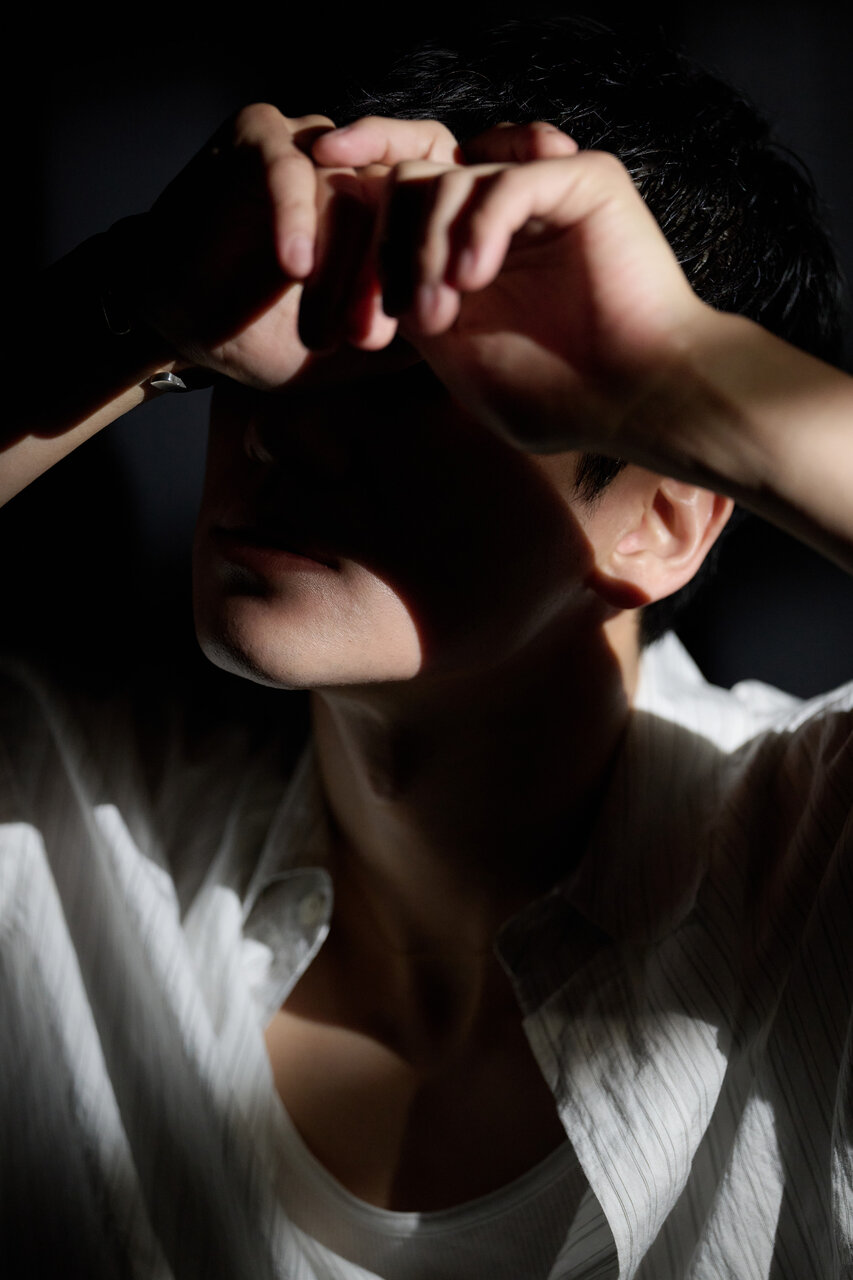
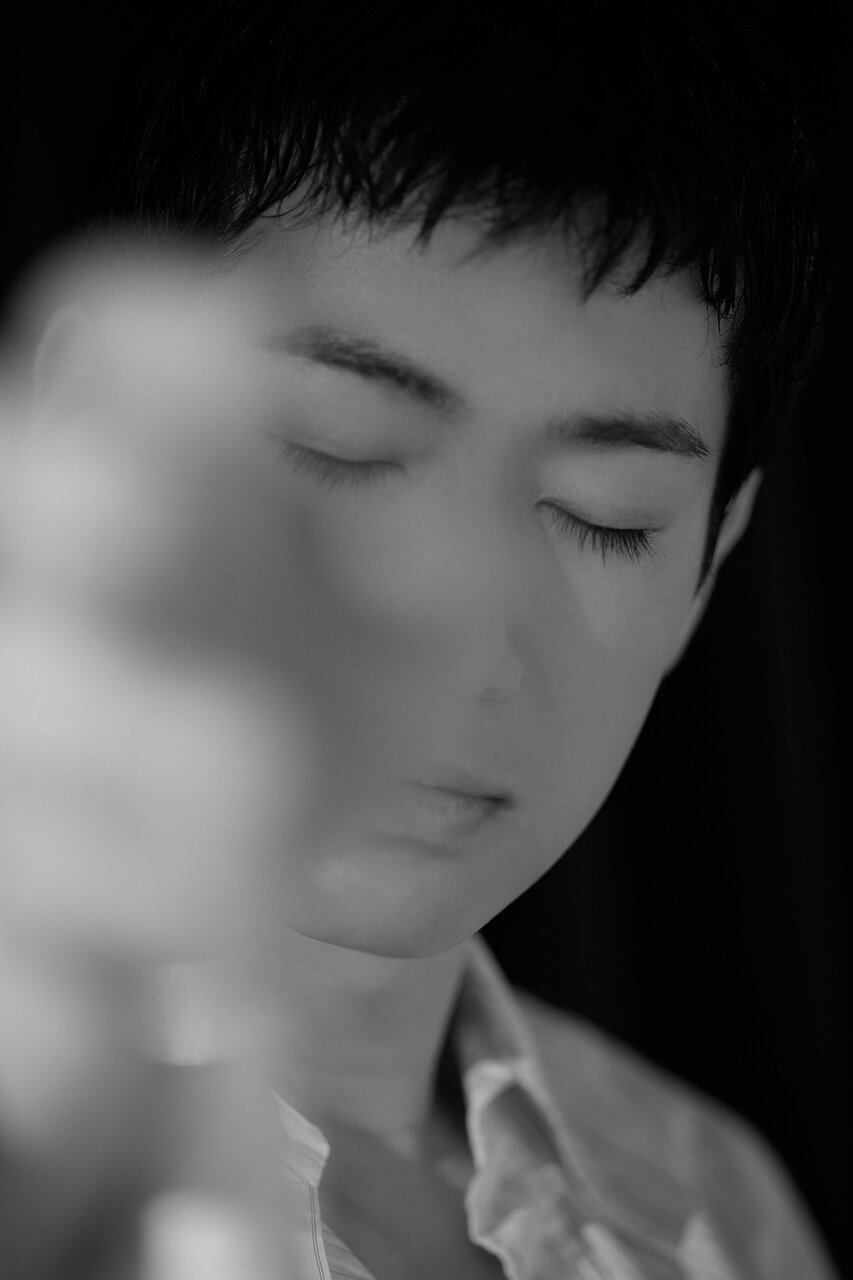
When rehearsals start, the first thing we do is the table read. Each actor aligns their interpretation of the script. The meaning of the words, the characters' emotions, and the director's intentions—we gradually absorb these into ourselves. In other words, it is a process of collectively adjusting our distance to a single book. However, strangely enough, that distance is never exactly the same. Even sitting at the same table, reading the same script, and speaking the same words, each person looks at those words with a different depth.
Distance, and the depth to which one tries to understand things. As these two interweave intricately, expression becomes multi-dimensional. The whole picture seen from afar, the details seen by getting closer, bird's-eye view and immersion. It is only in this back-and-forth between objectivity and subjectivity that a single expression finally takes shape.
And surely, the audience will also receive that story from their own respective distances. The distance between the stage and the seats, the psychological distance to the characters, the distance to their own lives. That might be why, even when watching the same play, it remains in the heart as a completely different story. Expression, I think, is about continuously exploring one's distance to the world, and finding joy in the differences in those distances.
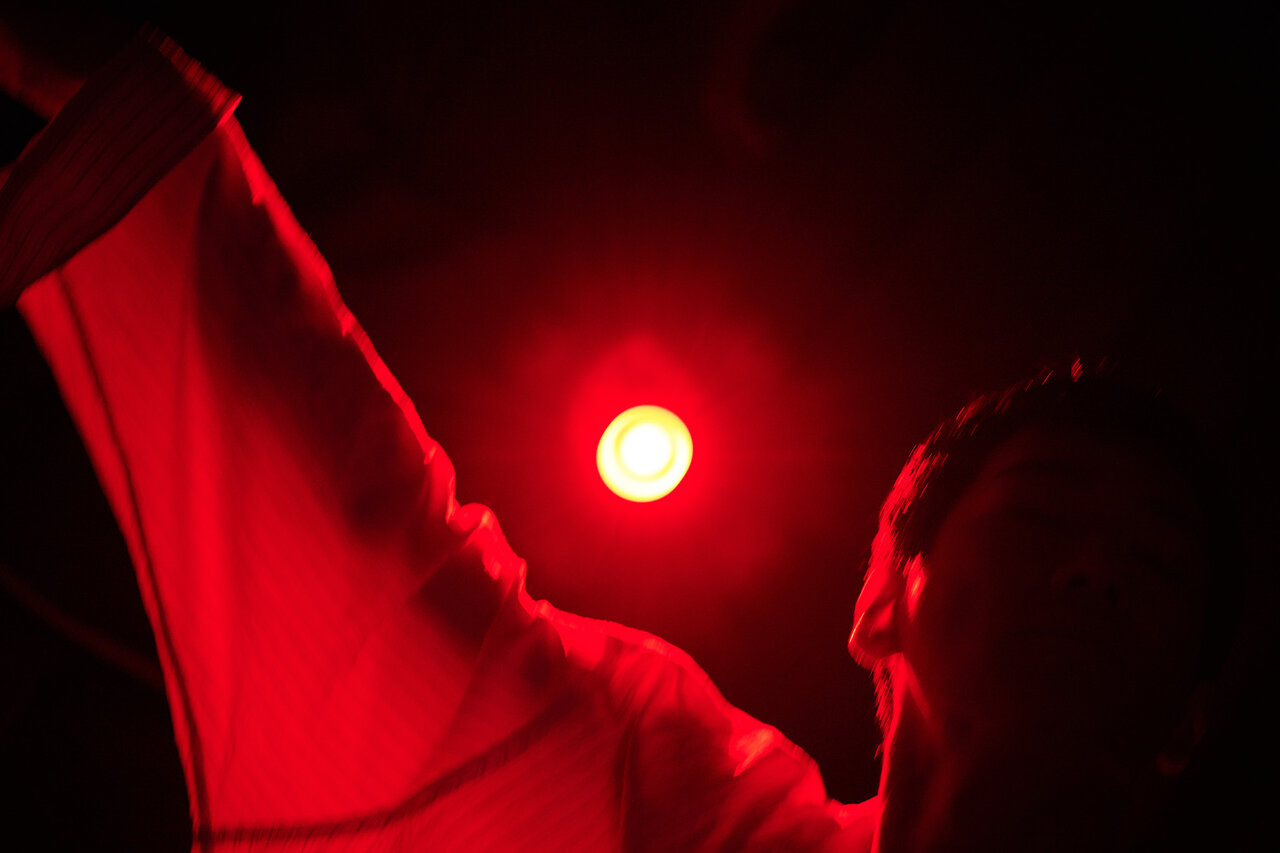
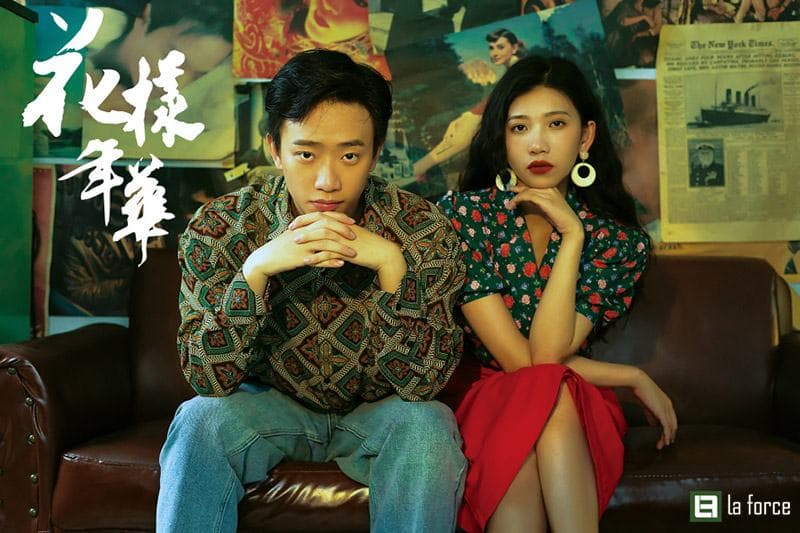
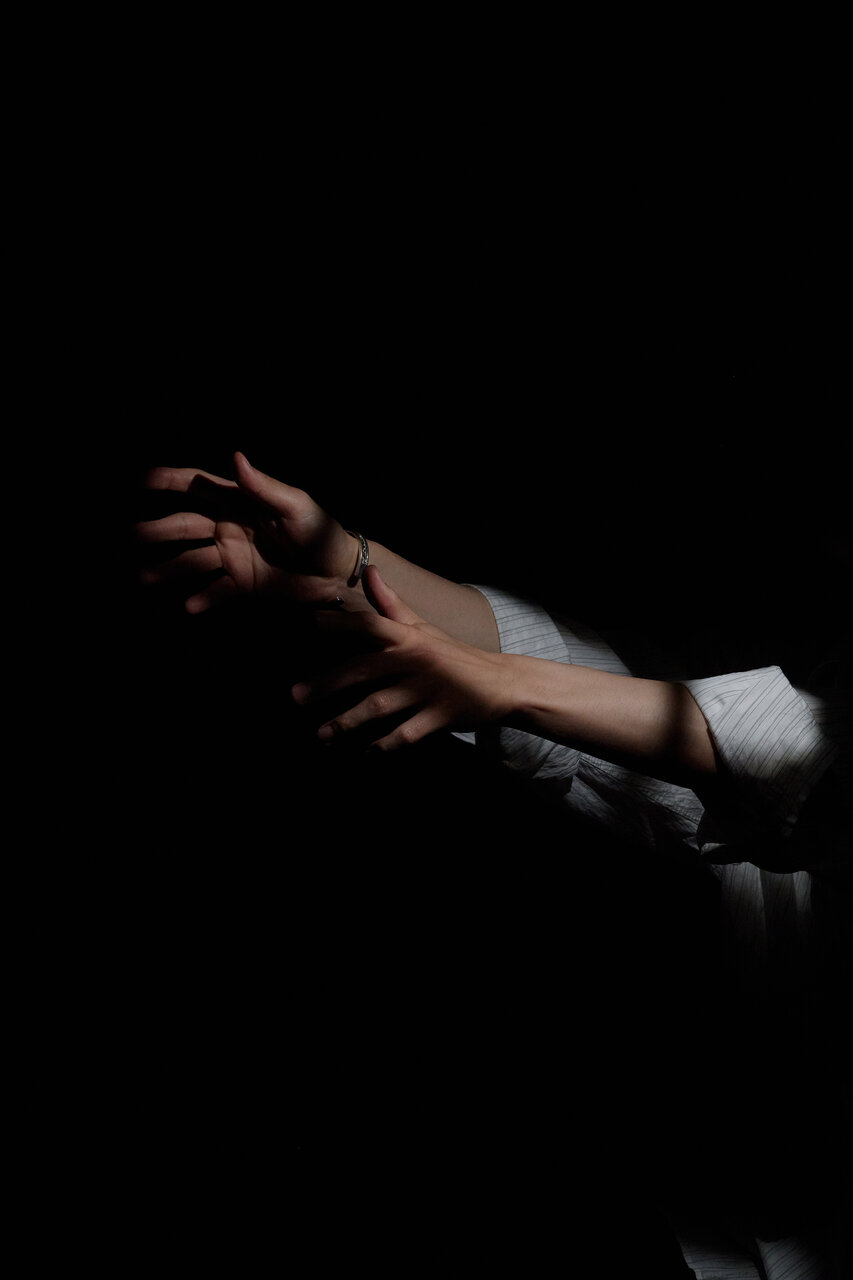
I inserted the photos in this text without any explanation at first. The person in them is Motohiro Oguri (s**t kingz), who plays Sasuke in this production of "Shunkinsho". I took these photos after we finished the table read and the mise-en-scène rehearsal. The reason I placed the photos without explanation was because I wanted you, the readers, to feel them just as they are. If I had taken photos after the play finished, I probably would have taken different ones. These photos are the figure of Mr. Oguri as I see him right now.
Please come to the theater and feel a living, moving Sasuke. Please feel the energy born from this story. And please, let me know what you felt. We are waiting for you at the theater.
All photos shot on Nikon Z8 + NIKKOR Z 70-200mm f/2.8 VR S II
Source Article (GENIC)