Smartphones Are Too Good, Cameras Too Smart: Why Do You Still Need a Photographer?
Read more
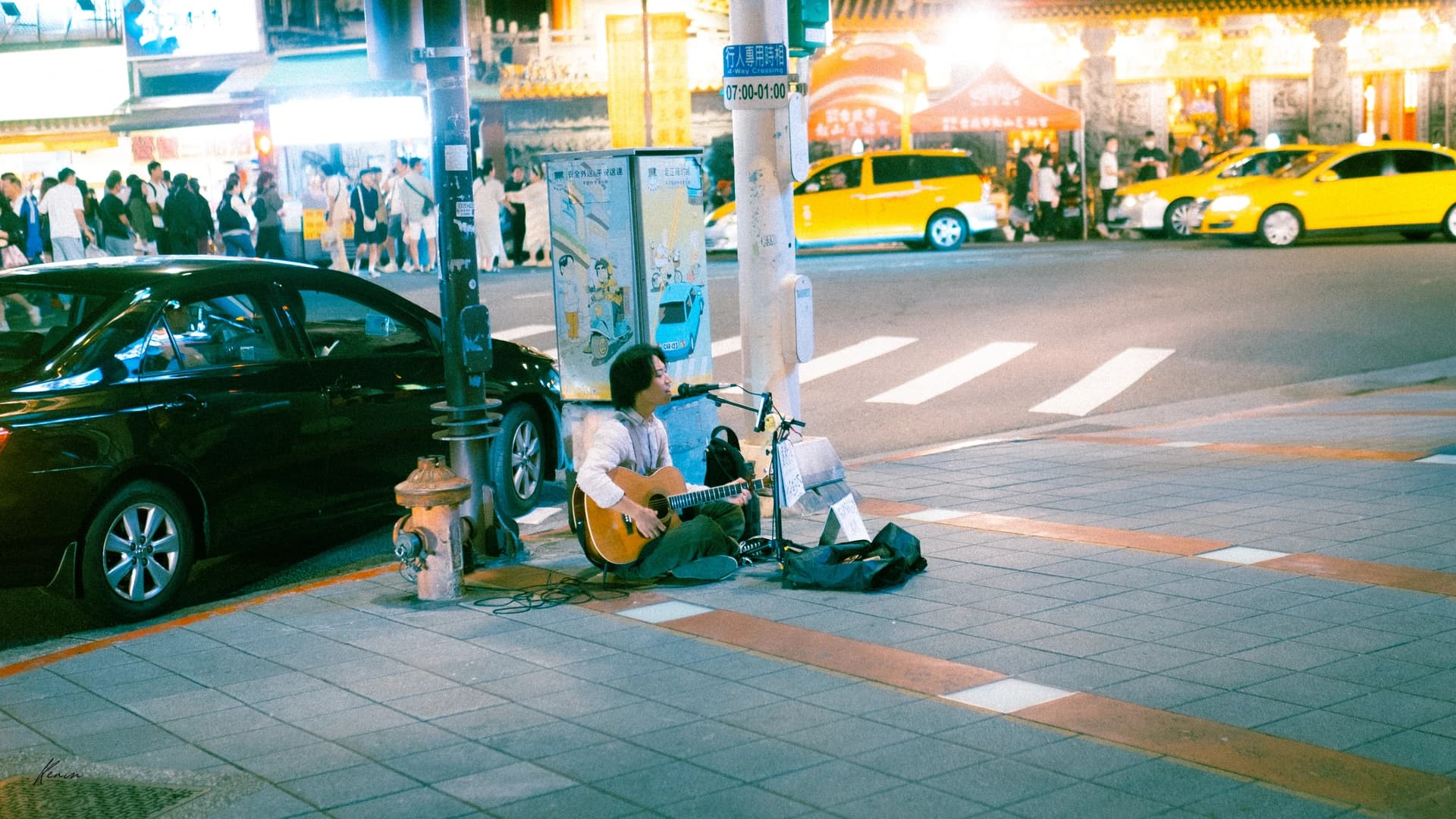
Walking out onto the street with your camera, taking a deep breath, you think you are about to become the next Henri Cartier-Bresson. But 2 hours later, you are sweating profusely, sneaking around like a thief, and your memory card is full of 100 photos of… people's backs. Sound familiar?
Welcome to the harsh reality of Street Photography! Every beginner goes through this "clueless" phase. Instead of spending months figuring it out on your own, let's expose the 5 most common street photography mistakes newbies make, and how you can escape the "amateur" status today.
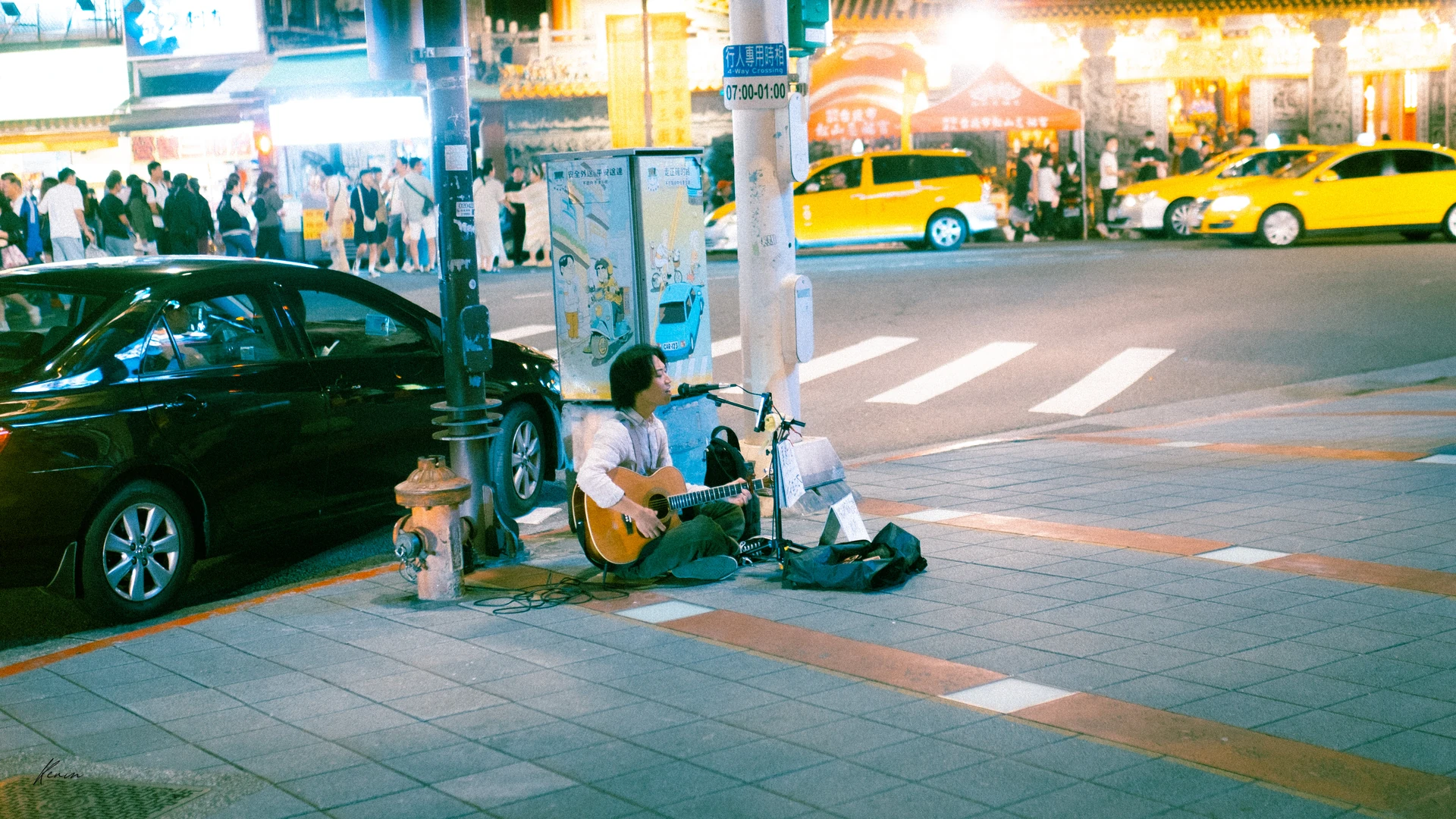
What is the biggest fear of a new street photographer? Fear of getting yelled at, fear of getting hit, fear of being glared at. So you attach a telephoto lens (zoomed way in) and stand on this side of the street "sniping" to the other side.
Why is this a mistake? Legendary photographer Robert Capa once said:
"If your pictures aren't good enough, you aren't close enough."
Photos taken from a distance look sneaky, lack emotion, and make the viewer feel like a lurking outsider rather than a part of the story.

Afraid of confrontation (as mentioned in mistake #1), beginners often choose the safe route: Wait for people to turn their backs before pressing the shutter. The result is a collection that looks like an exhibition of... napes and backpacks.
Why is this a mistake? Unless the person is wearing a shirt with incredibly unique text, or the backlighting creates a perfect silhouette, photos from behind are very boring. The face, the eyes, the expressions are what give soul to a street photo.

“Photo out of focus? Convert to B&W. Messy composition? Convert to B&W. Trashy background? Make it B&W to look deep!”
This is the common mindset of many beginners.
Why is this a mistake? A black and white filter is not a magic wand to hide a bad photo. B&W exists to emphasize contrast, light, shadow, and shapes. If your original photo lacks these elements, converting to B&W just creates a dull, gray mess.
Street photography doesn't mean you go out and shoot aimlessly. A trash can, a traffic light, a passing motorbike... If it doesn't have a focal point, it's not Street Photography; it's "urban souvenir photography."
Why is this a mistake? Your frame is too cluttered with unnecessary details, lacking a "Decisive Moment" or a story behind it.

You watch reviews online and get psychologically manipulated into thinking: You must have an expensive camera with a retro design and film simulations for your street photos to be "artistic." And so you burn thousands of dollars on gear, but the photos still come out... meh.
Why is this a mistake? An expensive camera can't buy an artistic eye (Eye for photography). Passersby don't care what camera you hold; they only react to how you hold it. A massive camera might actually make people more intimidated.
If you think I'm trying to scare you, read through these "heart-piercing" but extremely realistic comments from photography forums:
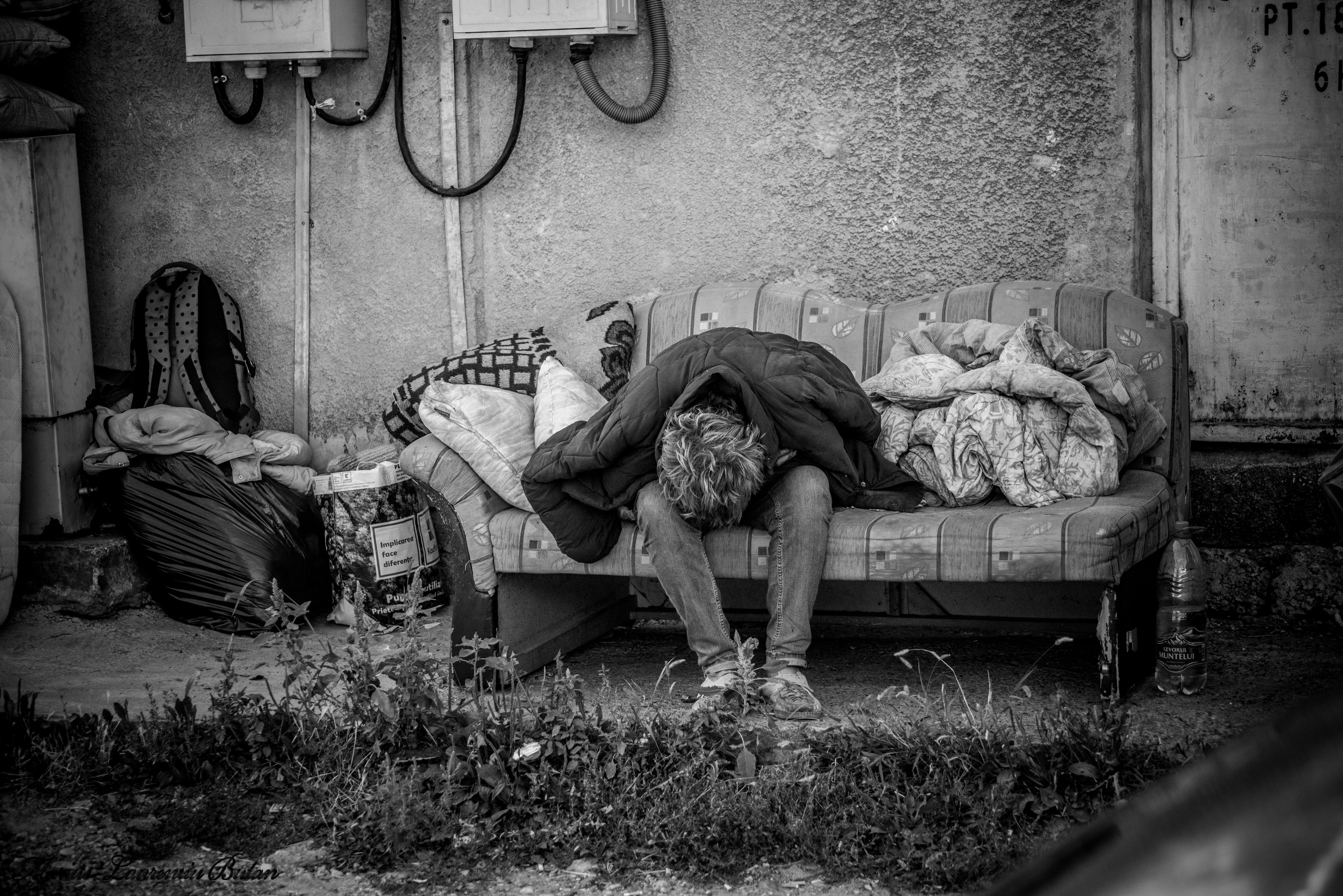
"Honestly, stop taking B&W photos of homeless people or poor laborers and posting them with deep captions, guys. It's not artistic; it's laziness in finding a subject."
– A heavily upvoted comment on r/streetphotography.
"Seeing guys lugging massive cameras with 70-200mm lenses around the walking street sniping girls and calling it Street Photography is so tiresome. The street is about interacting and living in that atmosphere!"
– Admin of a Street Photography group in Vietnam.
"Don't buy a Leica if you don't know what the exposure triangle is. Grab your phone, walk more than 5km every day, and your photos will naturally get better."
– YouTube Reviewer.
Having said all that, no one is born a master. The street photography mistakes mentioned above are mandatory lessons you must experience to level up. Don't give up because of a few blurry photos or a few questioning looks from strangers. Explore some of my finished works in my Portfolio or check out my Saigon Photography Tips for inspiration.