The History of the First Camera: Mechanical Design & The Motivation Behind It
Read more
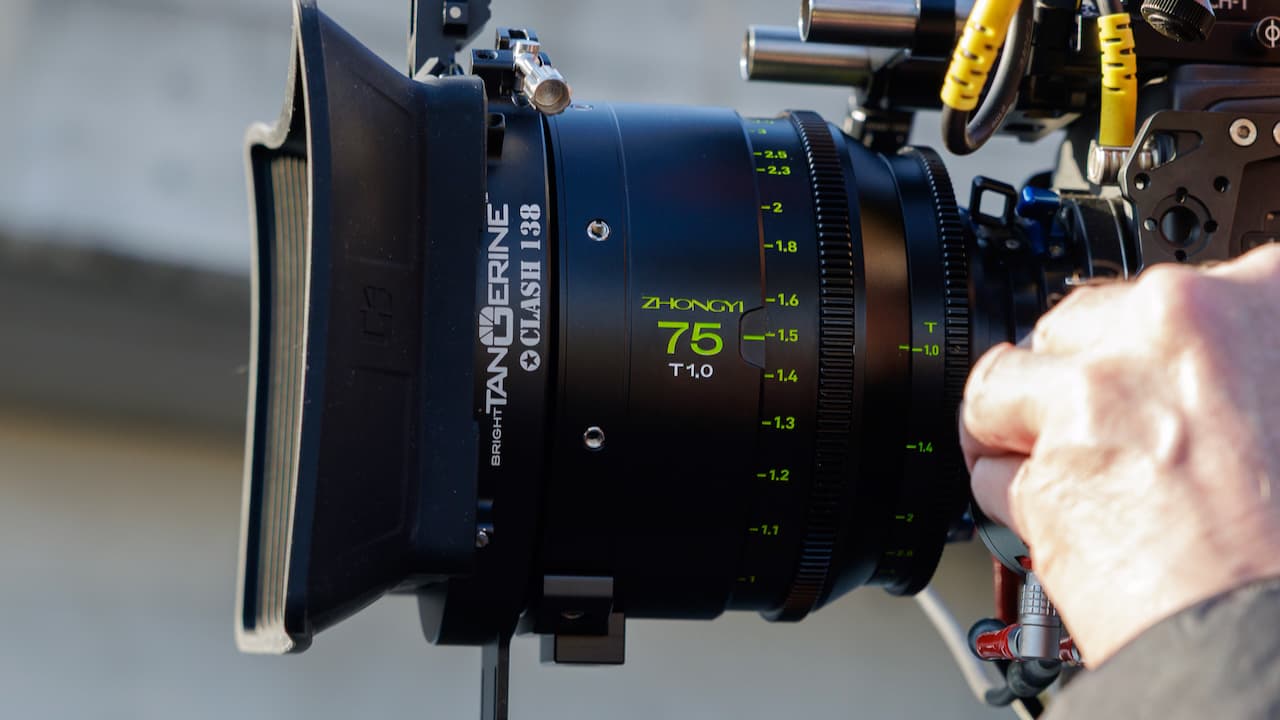
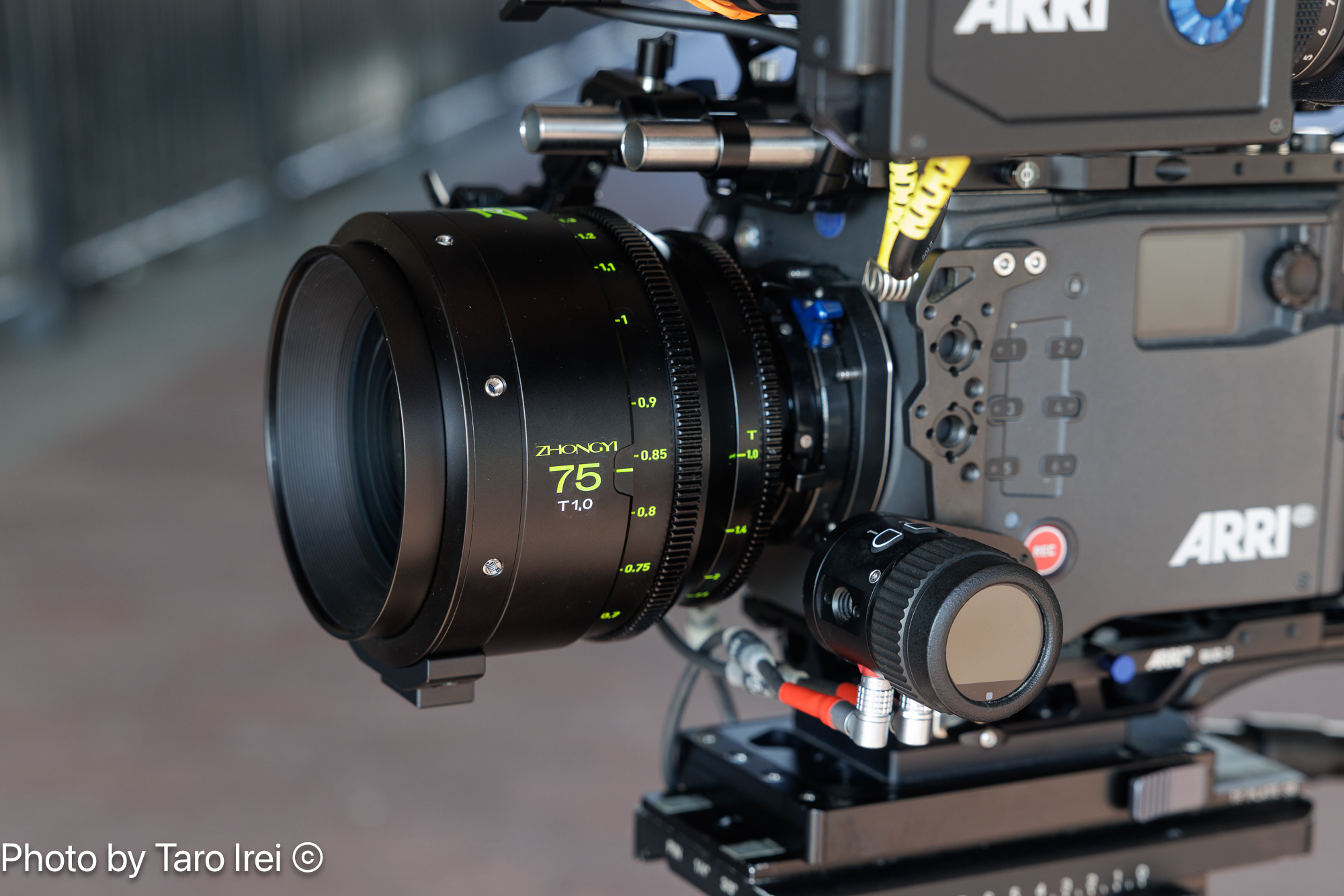
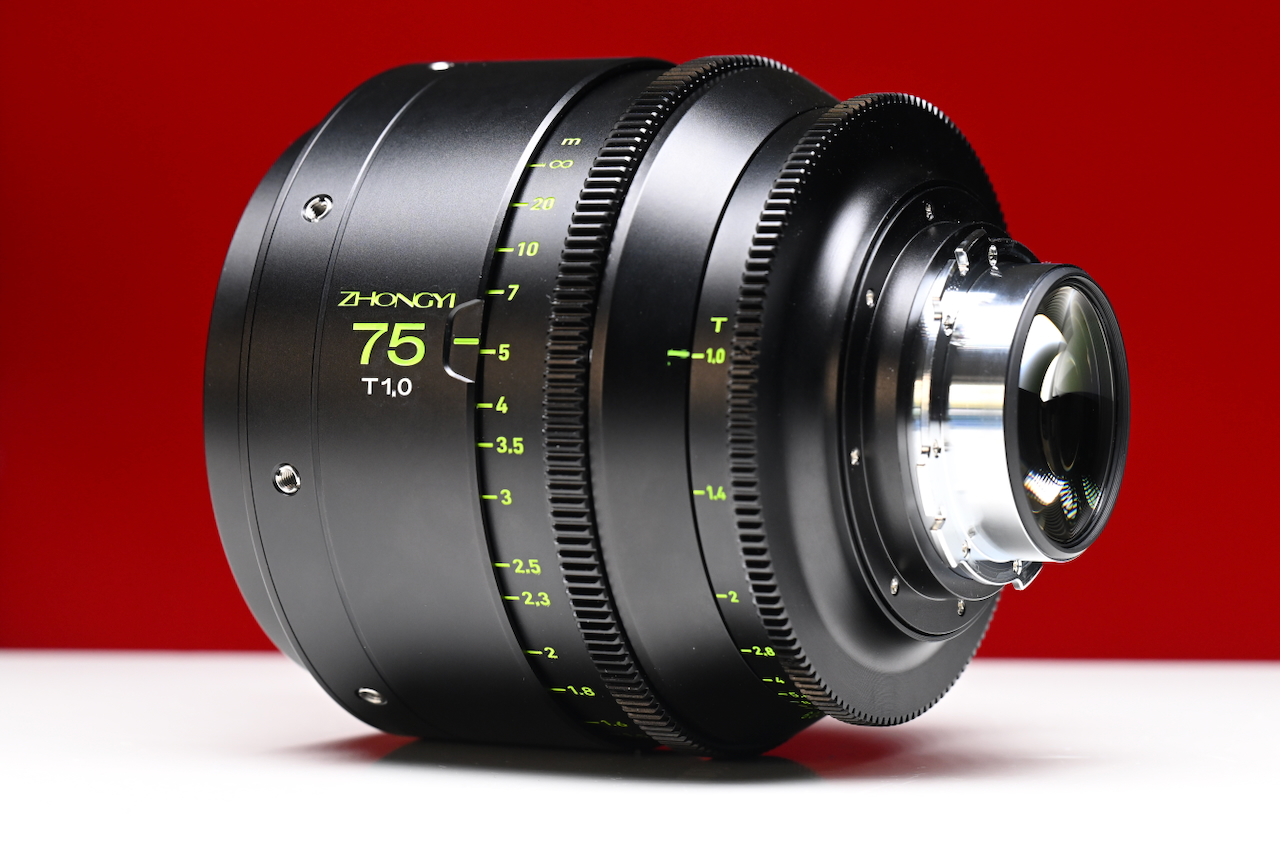
The Zhongyi Optics Z ONE FF Cine T1 Lenses are a newly released set consisting of a 35mm, 50mm, and 75mm T1. These are quite different from the company's previous 50mm T1 Speedmaster, as they feature a professional cine housing with improved mechanics and noticeably better gearing.
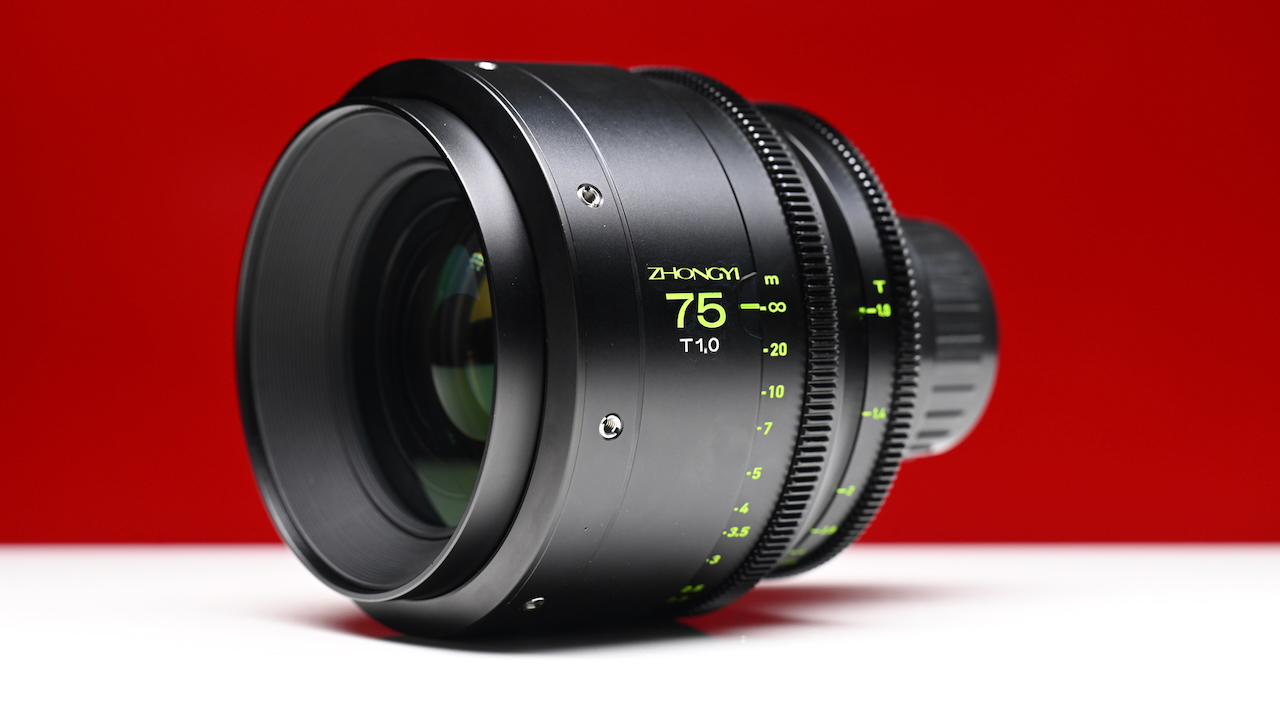
Designed to offer cinematographers a fast and high-performance set at an affordable price, this lineup makes a lot of sense. With a plethora of FF T1.5/1.4 PL prime lenses already saturating the market, bringing a true T1.0 option gives Zhongyi Optics a unique edge.
Massive Build and Sturdy Mechanics
All of the lenses share a whopping 114mm front O.D. and a sixteen-blade iris for beautifully round bokeh. They come natively in a PL mount, but user-changeable Canon EF mounts are also included in the kit.
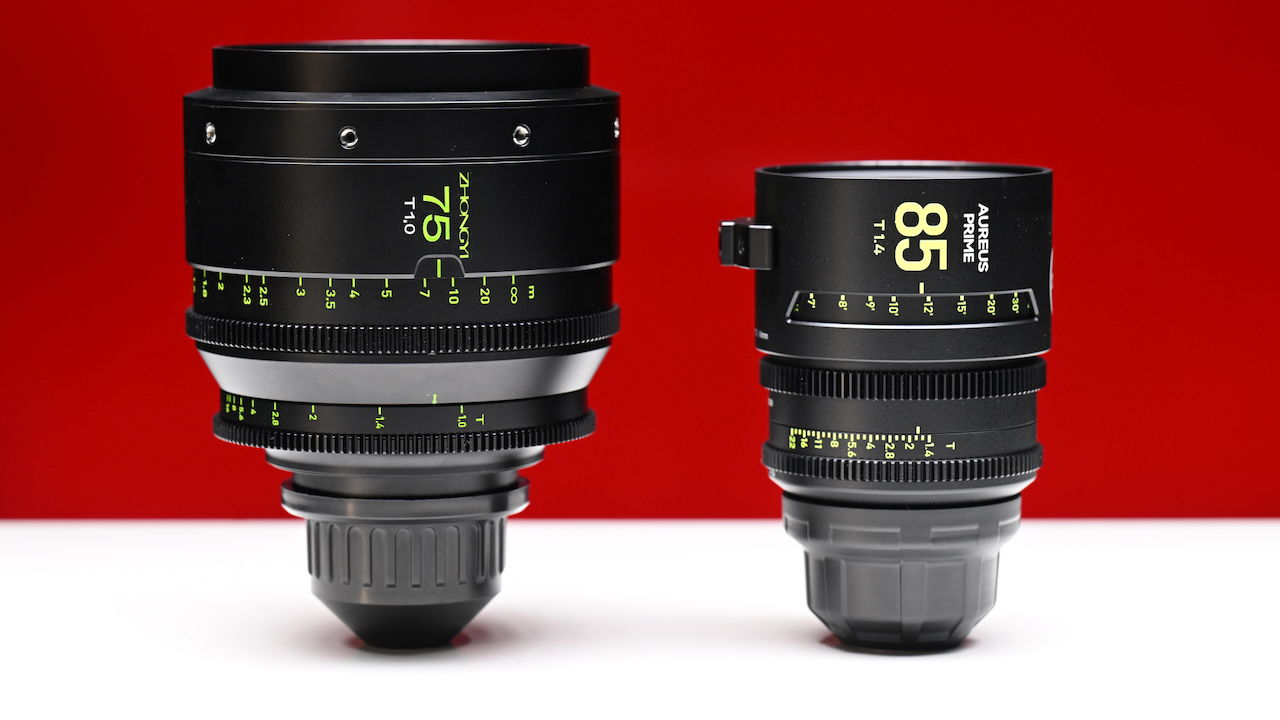
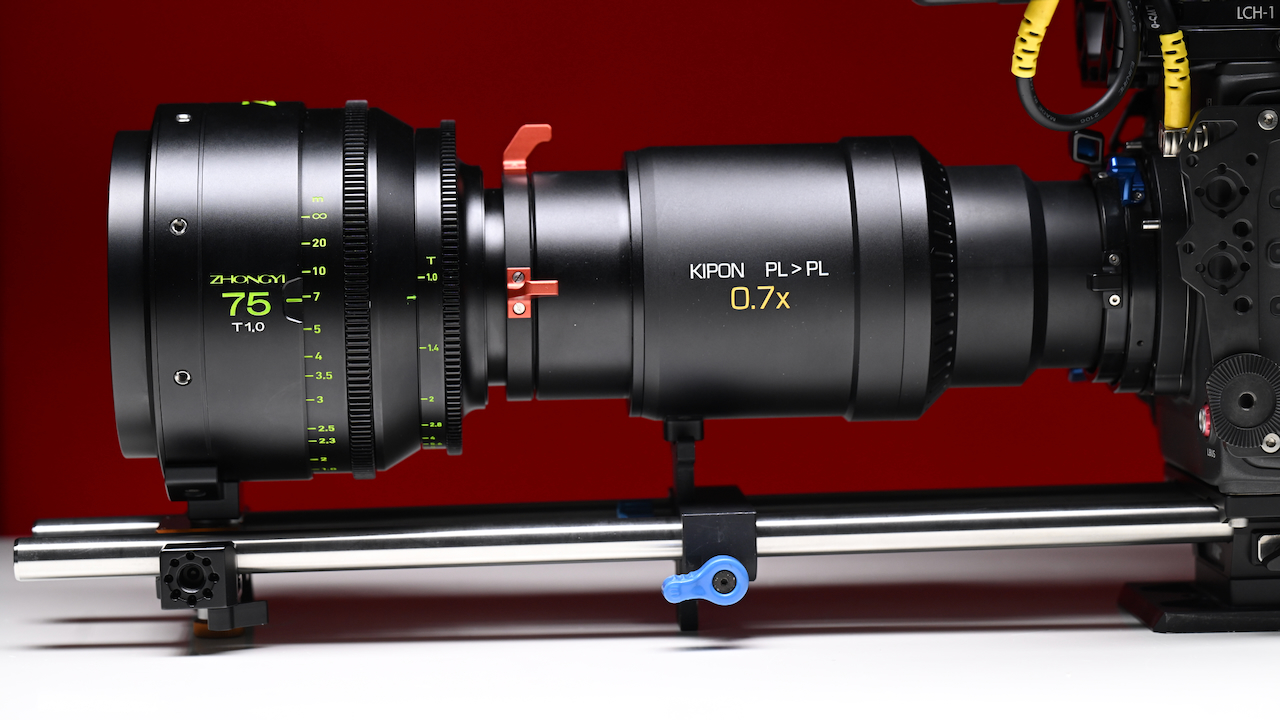
These are not lightweight options. All three focal lengths weigh exactly 3kg (6.61 lbs) and share the exact same physical length. While this is nearly twice the weight of more affordable cine lens options (like the NiSi AUREUS or DZOFilm Arles), you have to remember that these are T1 lenses, not T1.4/1.5. The sheer weight makes them a challenge to use with smaller mirrorless hybrids; they are much better suited for mid-to-large-sized digital cinema cameras.
Sharpness at T1.0: A Tough Challenge
Putting out a T1 full-frame cine prime is no mean feat, and making it sharp when used wide open is a tremendous optical challenge. You shouldn't expect them to be tack sharp at T1.
Flares and Chromatic Aberration
The Z ONE lenses feature very interesting flare characteristics that add plenty of character to the footage. The flares produce distinct blue, green, and purple streaks.
When shooting wide open at T1, you will encounter some halation and veiling depending on how the light hits the front element (the 50mm and 75mm exhibit slightly more veiling than the 35mm). However, the lenses still retain a good amount of contrast even under direct light.
As expected from a T1 lens, chromatic aberration is present when shooting wide open, especially in bright, backlit scenes where purple fringing becomes visible. If you're interested in how to tame and stylize these unique optical characteristics in post, check out my Cinematic Color Grading Guide.
Conclusion
At this stage, it's best to think of the Z ONE lenses as a specialty set rather than an all-purpose prime lens solution. They are designed for filmmakers who crave a specific, highly stylized look with an ultra-shallow depth of field. With vastly improved build quality over previous Zhongyi offerings, they are an incredibly tempting choice for creating distinctive cinematic visuals.
📝 Source: Article synthesized from the review by Matthew Allard ACS on Newsshooter.