The History of the First Camera: Mechanical Design & The Motivation Behind It
Read more
Welcome, fellow gearheads! If you’re sitting on a $2,000 budget and find yourself at a crossroads: choosing the compact, AI-autofocus magic of the Sony A7C II or hauling around the ultimate video workhorse, the Panasonic Lumix S5 II, this article is here to uncover the truth.
No lengthy spec sheets, no empty PR talk. We are putting these two cameras on the scale and dissecting their two most critical "pressure points": Video Capabilities and the Lens Ecosystem.
Especially for creators juggling cross-platform content—from horizontal YouTube videos to vertical TikToks and Instagram Reels—choosing the wrong camera will cost you hours in the editing room. Unlike our 2026 flagship smartphone camera showdown, in the professional camera space, every choice is a major trade-off. Let’s dive in!
Sony pulled a brilliant capitalist move: Take the core specs of their best-selling camera, stuff them into a more compact body, and boom... we have the A7C II. But don't think it's just old wine in a new bottle.
Design & Ergonomics: Thank Heavens, The Front Dial Is Here!
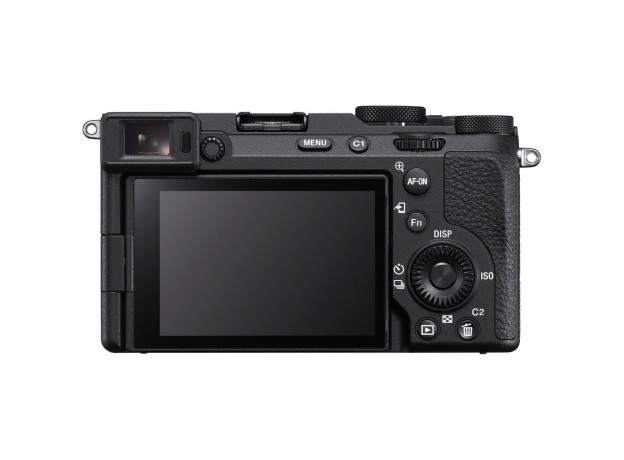
When the original A7C launched, the internet crucified Sony for being stingy and omitting the front command dial. Shooting in Manual mode without a front dial is an absolute nightmare.
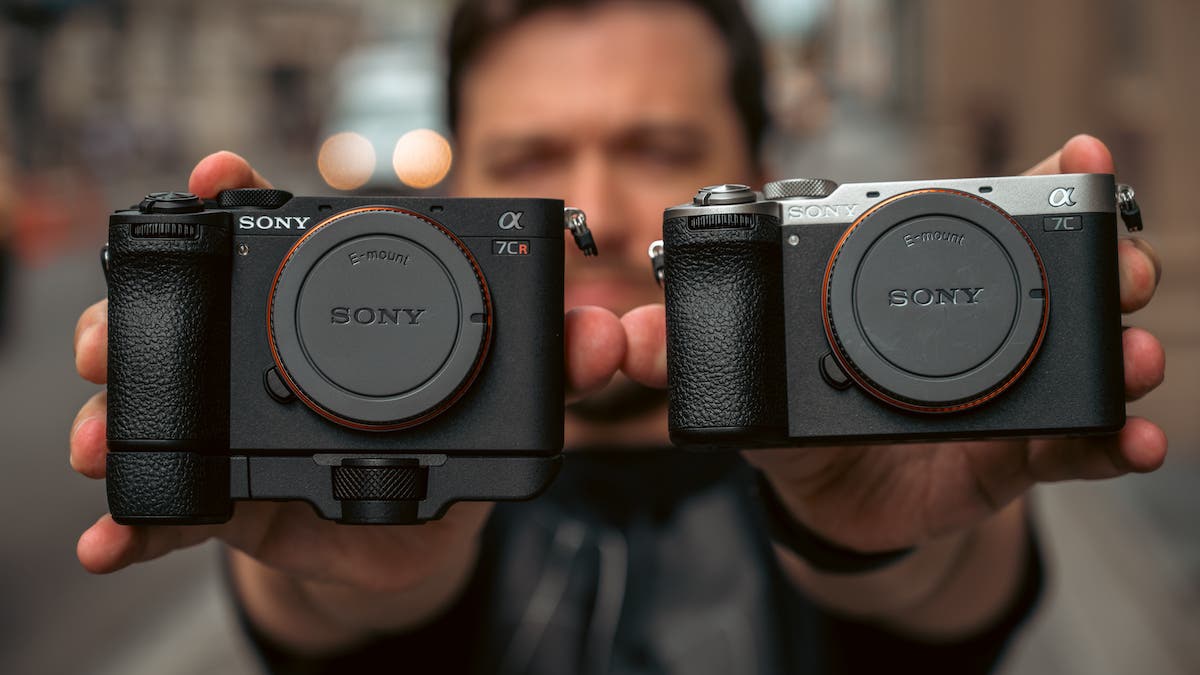
With the A7C II, Sony finally listened. The addition of the Front Dial and a slightly deeper grip has completely changed the game. You can hold this all day, slap on a 35mm f/1.4 GM prime lens, and not feel like your hand is going to fall off. Weighing in at around 514 grams, it's so light you might think you're holding a toy—until you press the shutter.
Inner Power: 33MP Sensor & AI "Autofocus Magic"
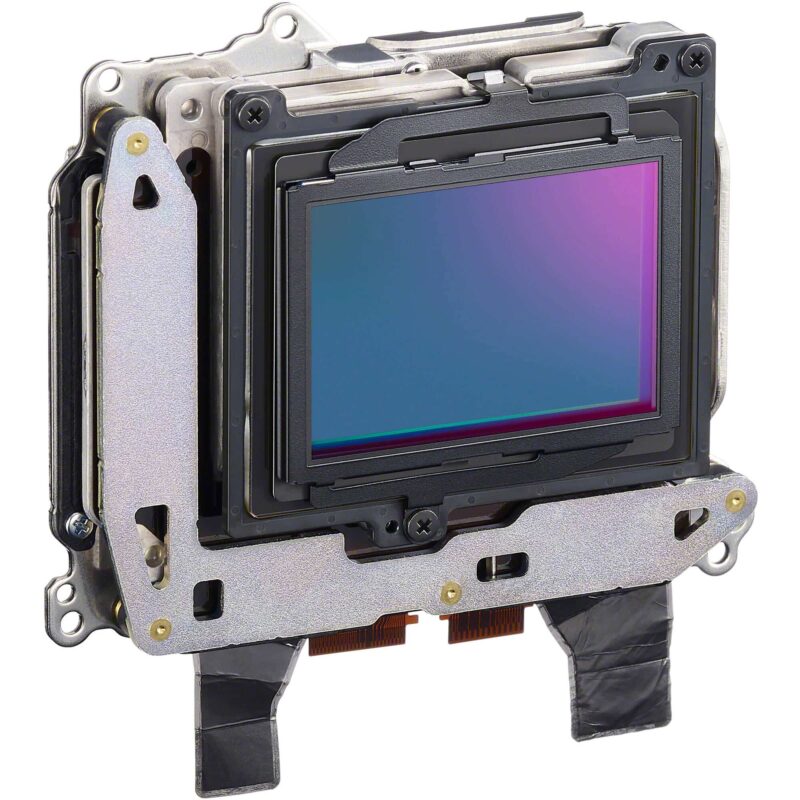
Say goodbye to the old 24MP sensor. The A7C II inherits the exact same BSI-CMOS 33MP sensor from its big brother, the A7 IV. Detail? Incredible. Dynamic Range? More than enough to recover the darkest shadows effortlessly.
But the real money-maker here is the dedicated AI processing unit for Autofocus. If Eye-AF was revolutionary, the A7C II's AI now recognizes human bodies and posture. Is the model turned around, wearing a hat, or half-hidden? The camera still locks on like superglue. Vloggers and action content creators will understand the joy of never having to worry about out-of-focus shots.
What Does the Internet Say? (Raw Reddit & Facebook Reviews)
As a practical reviewer, I never fully trust a spec sheet. Here are the most honest thoughts from the trenches of r/SonyAlpha and independent creators.
The Praises: The "Holy Grail" for Travel & Creators
- "A lifesaver for my shoulders": A wedding photographer shared that since switching their B-cam to the A7C II, they no longer need chiropractic appointments every weekend.
- The video colors are no longer "Sony-ish": Many praise the S-Cinetone and 10-bit 4:2:2 capabilities. Skin tones look natural and rosy, avoiding the sickly yellow tint of older generations.
- IBIS is much better than A7C I: Up to 7 stops. Handheld vlogging while walking yields smooth footage without the bulky need for a Gimbal.
The Complaints: The "Single Card Slot" Nightmare & Tiny EVF Of course, life isn't perfect. To achieve this supermodel physique, the A7C II forces you into some critical compromises:
- Single SD Card Slot: This is a massive red flag for commercial shooters. A corrupt card during a live event is a career-ender!
- A disastrous Electronic Viewfinder (EVF): 2.36M dots with 0.7x magnification. In plain English: It’s small, dim, and miserable to use. Looking through it feels like peering through a keyhole.
- Overheating in 4K: Shooting 4K 60p (with a 1.5x crop) continuously under the hot sun will trigger the temperature warning in about 30-40 minutes. Not ideal for long-form podcasts.

Sony A7C II: Compact with Sticky AI Autofocus
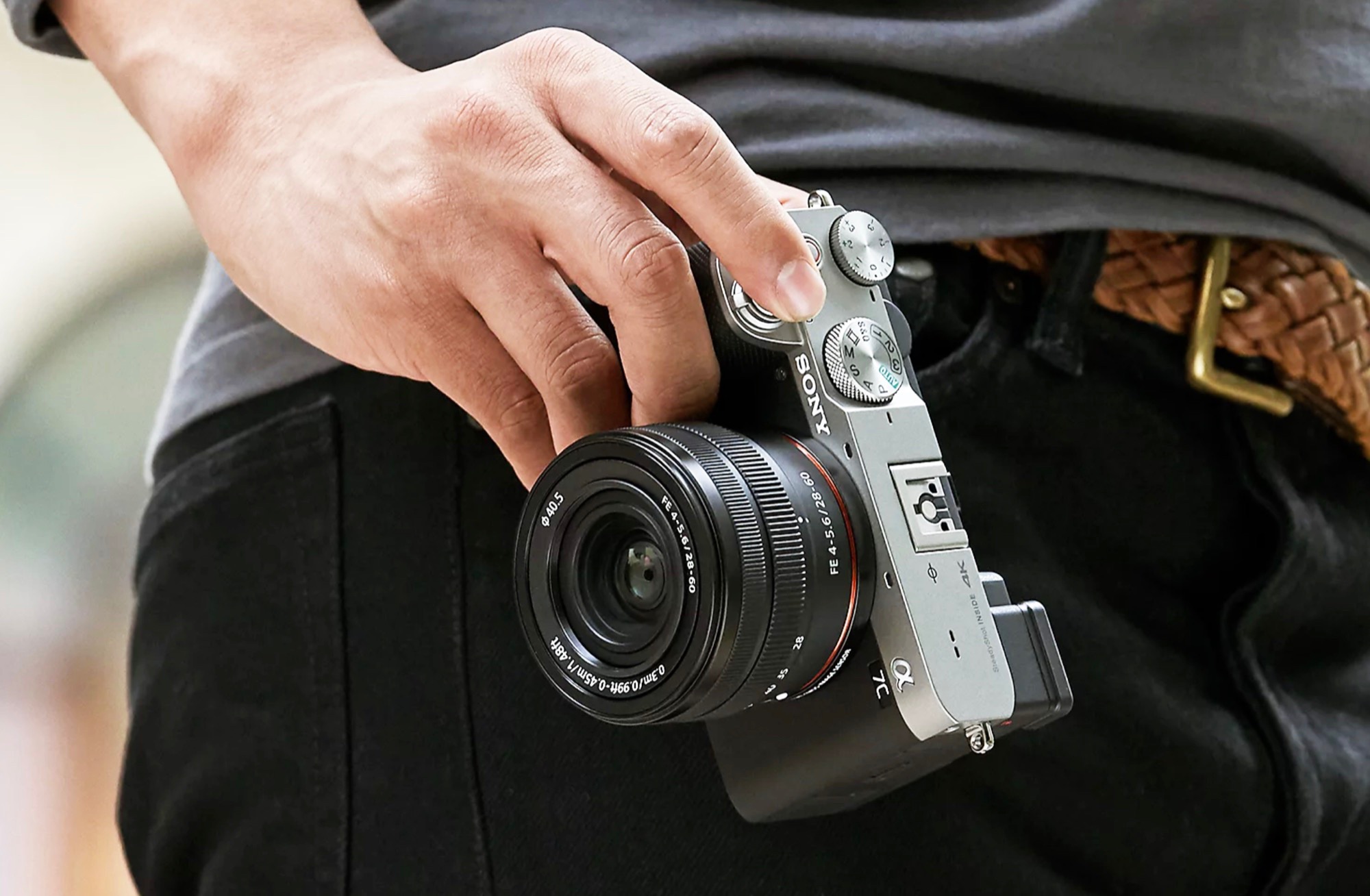
For video, the Sony A7C II's biggest selling point is the AI chip. The feeling of the camera recognizing eyes, faces, and posture is incredibly satisfying.
Lumix S5 II: The "Mother Nature" for Video Shooters
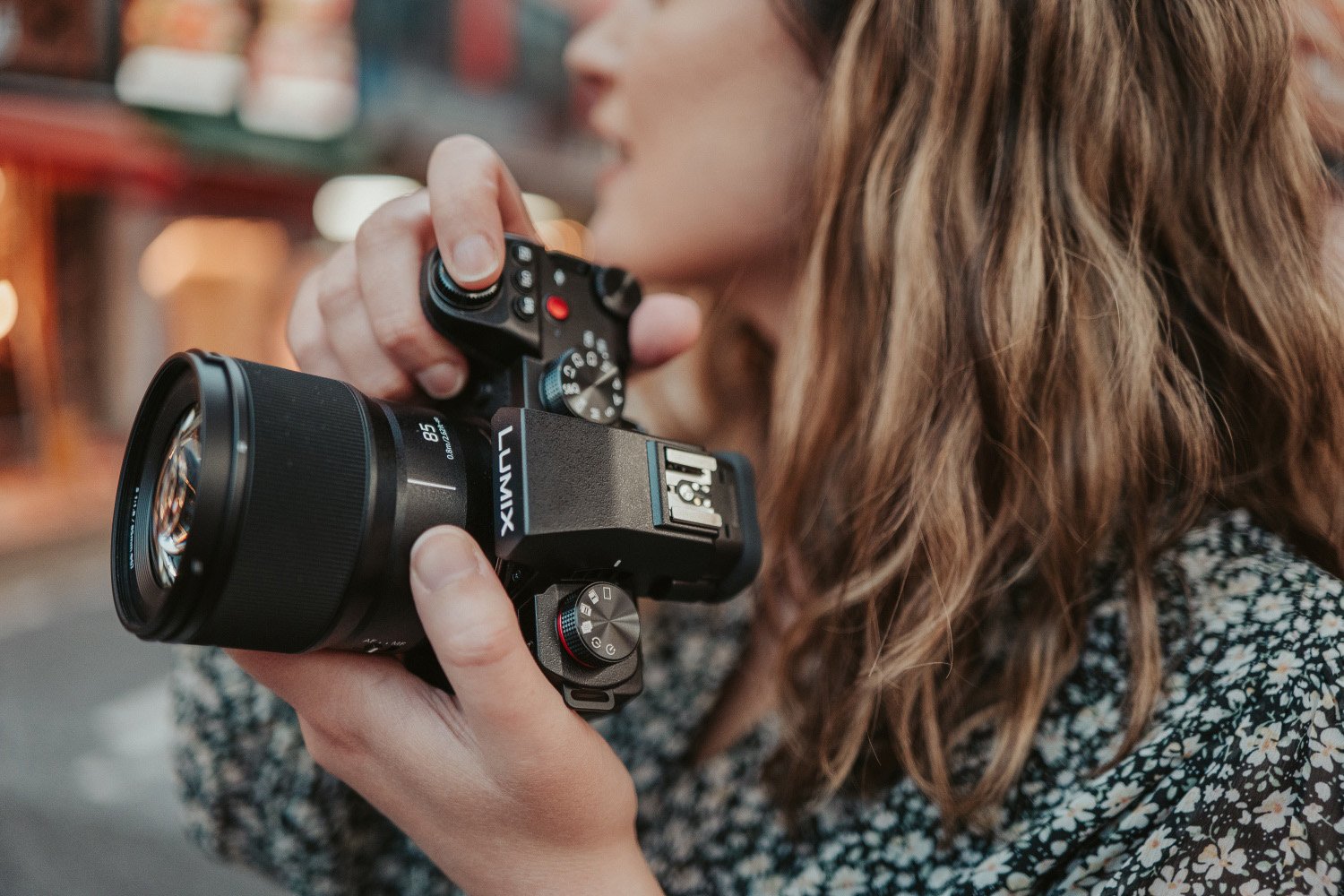
If the A7C II is built for lightweight travel, the S5 II is a tank built for heavy-duty jobs. Panasonic finally ditched their jittery DFD autofocus system for Phase Hybrid AF.
Buying a camera is like marrying someone; buying lenses is like adopting their whole family.
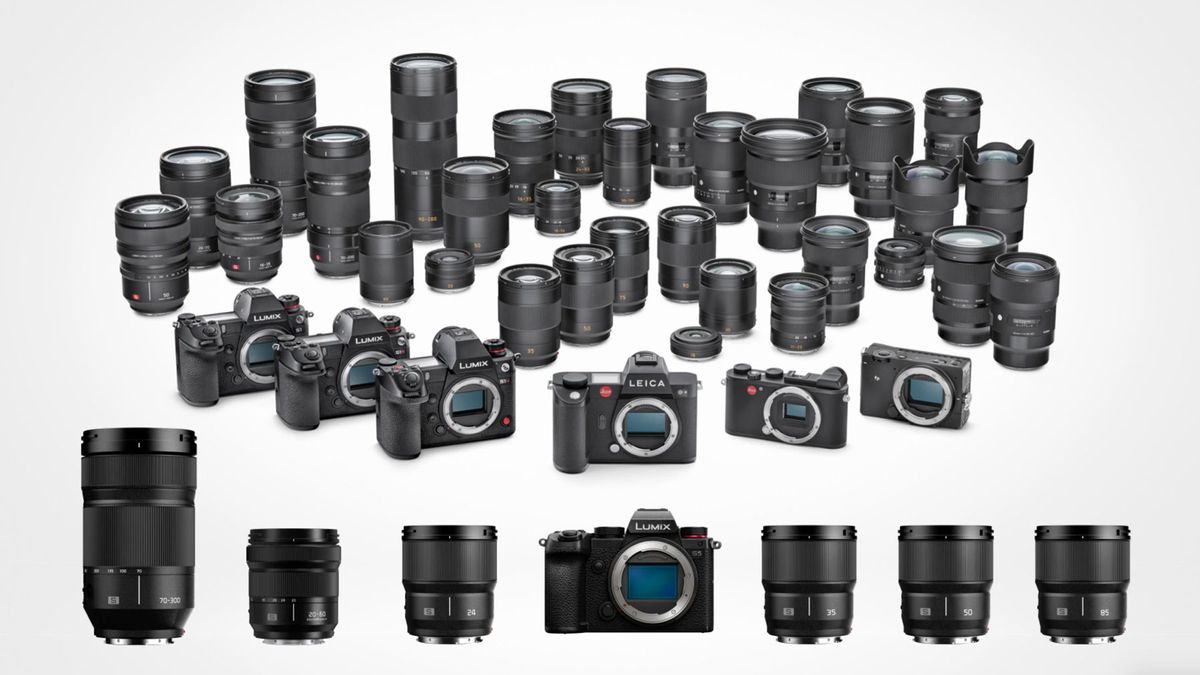
The Verdict: If you value compactness, brilliant AI autofocus, and solo vlogging, the A7C II is the new king. If you are a dedicated video professional who needs Open Gate 6K, active cooling, and cinematic colors right out of the box, the Lumix S5 II will never let you down!