Fujifilm's single-digit X-T series cameras have always held a special place in the photography community's heart. With a deeply retro design and a tactile mechanical dial system, the X-T series is not just a creative tool but also an inspiring fashion item.
Based on official specifications from Fujifilm and real-world test data from the global professional photography community, this article puts all 5 generations (from X-T1 to X-T5) on the scale, helping you clearly see their evolution and find the camera that best suits your needs.
The Evolution of Fujifilm X-T Series Philosophy (2014 - Present)
History of Fujifilm X-T(CLICK TO EXPAND)
EDITORIAL ARCHIVE // SOURCE: INTERNET ARCHIVE
The journey of the X-T series clearly reflects Fujifilm's attentiveness to its users, especially the endless debate between "Photographers" and "Videographers".
-
The Origins (X-T1, X-T2): Focused entirely on pure photography, delivering a film camera experience in a digital body.
Fujifilm X-T1(CLICK TO EXPAND)
EDITORIAL ARCHIVE // SOURCE: INTERNET ARCHIVE
-
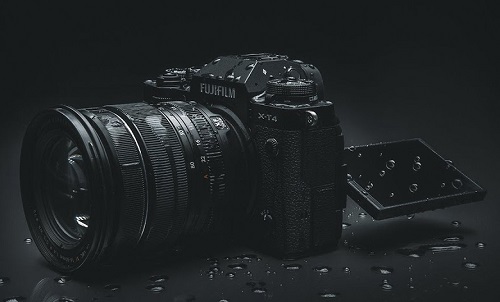
The Video Turning Point (X-T3, X-T4): As the video era rose, Fuji turned the X-T into excellent Hybrid machines. The biggest shift occurred with the X-T4 when the company integrated In-Body Image Stabilization (IBIS) and switched to a fully articulated screen to serve Vloggers.
Fujifilm X-T4 Sensor(CLICK TO EXPAND)
EDITORIAL ARCHIVE // SOURCE: INTERNET ARCHIVE
-
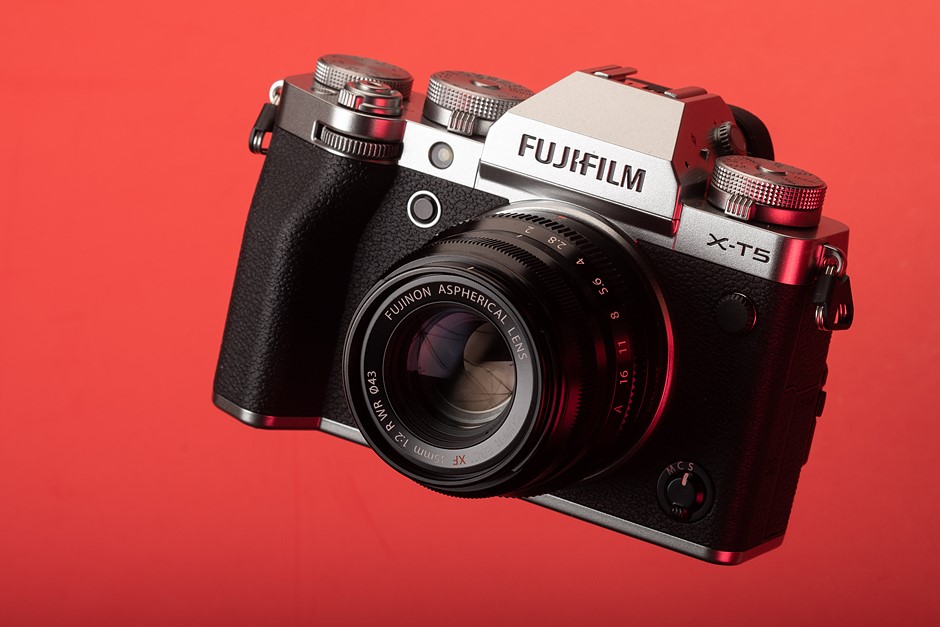
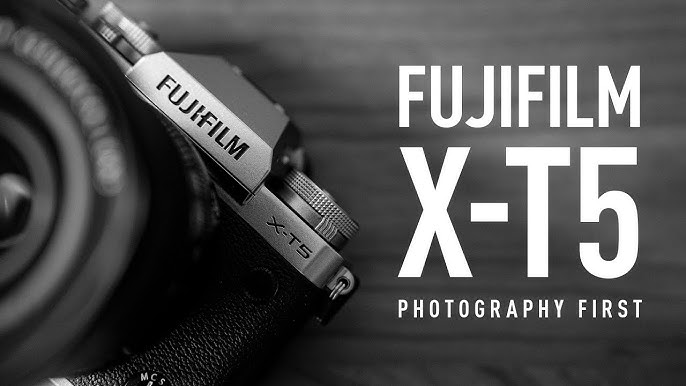
Return to the Roots (X-T5): Realizing the X-T4 was slightly too large and heavy, losing the traditional photography feel, Fuji made the X-T5 smaller and brought back the 3-way tilt screen, catering to true street photographers.
Fujifilm X-T5(CLICK TO EXPAND)
EDITORIAL ARCHIVE // SOURCE: INTERNET ARCHIVE
Quick Specifications Comparison Chart (X-T1 to X-T5)
| Feature | X-T1 (2014) | X-T2 (2016) | X-T3 (2018) | X-T4 (2020) | X-T5 (2022) |
|---|
| Sensor | 16.3MP X-Trans II | 24.3MP X-Trans III | 26.1MP X-Trans 4 | 26.1MP X-Trans 4 | 40.2MP X-Trans 5 HR |
| Stabilization (IBIS) | No | No | No | Yes (6.5 stops) | Yes (7 stops) |
| Max Video | 1080p 60fps | 4K 30fps | 4K 60fps (10-bit) | 4K 60fps (10-bit) | 6.2K 30fps |
| Screen Type | Vertical Tilt | 3-way Tilt | 3-way Tilt | Fully Articulated | 3-way Tilt |
| Battery | NP-W126 | NP-W126S | NP-W126S | NP-W235 (large) | NP-W235 (large) |
Detailed Analysis of Each Generation: Which is Your Choice?
1. Fujifilm X-T1 & X-T2: The Nostalgic Budget Choices
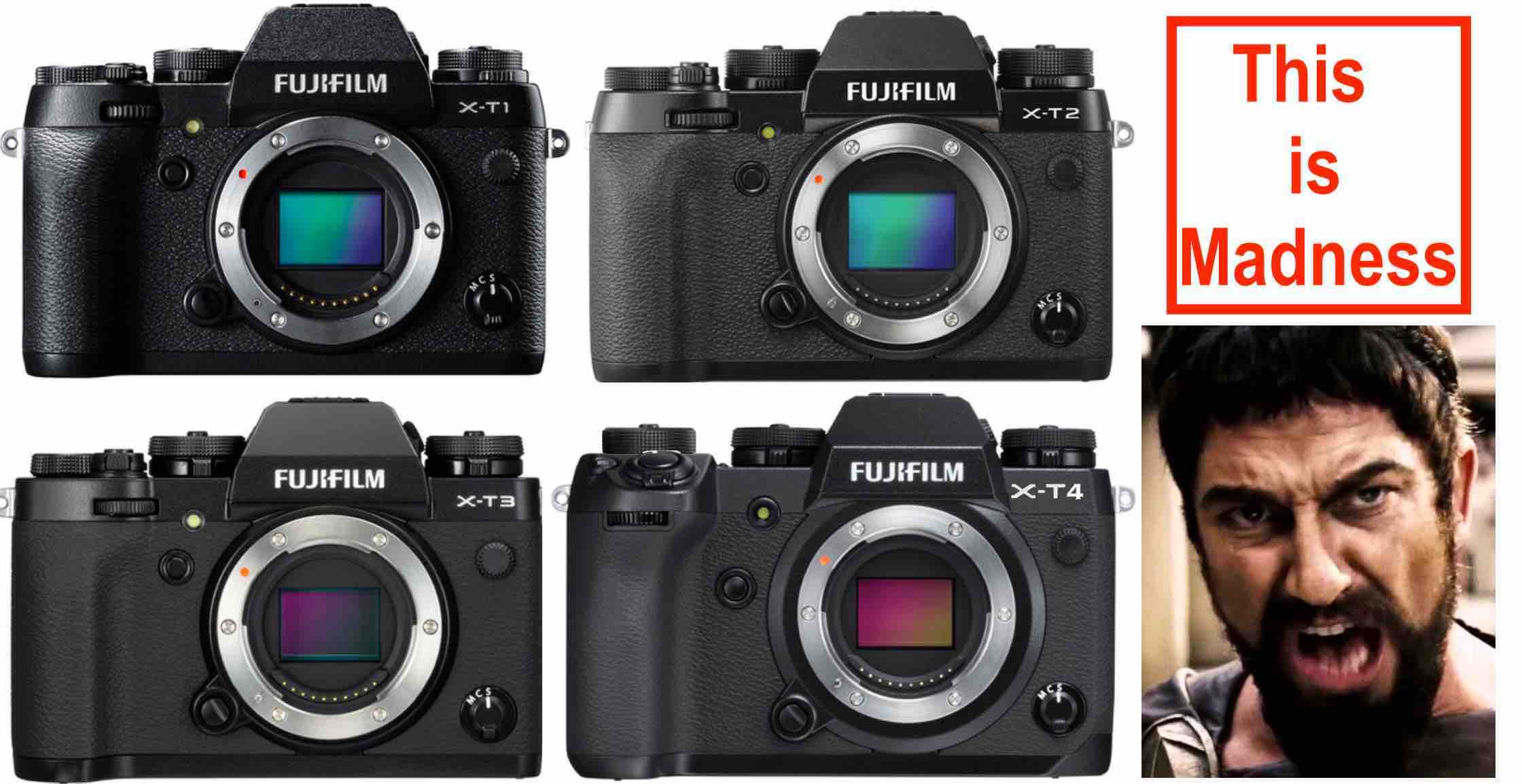
Fujifilm X-T1 and X-T2(CLICK TO EXPAND)
EDITORIAL ARCHIVE // SOURCE: INTERNET ARCHIVE
- X-T1: Launched in 2014 with a 16MP sensor. Currently, the X-T1 mostly holds collectible value or is for those who love the "vintage" look with an extremely tight budget. The autofocus is quite slow compared to current standards.
- X-T2: Launched in 2016 with a 24.3MP sensor, its still image quality is still very good. However, if you care about video or sports photography, the X-T2's AF system shows its age.
2. Fujifilm X-T3: The P/P (Price/Performance) King
Fujifilm X-T3(CLICK TO EXPAND)
EDITORIAL ARCHIVE // SOURCE: INTERNET ARCHIVE
With the X-Trans 4 sensor (26.1MP), the X-T3 marked a major leap in autofocus speed and video capabilities (4K 60p 10-bit internal).
- Strengths: Image quality and processing power are almost on par with the X-T4, but the current used price is extremely affordable.
- Weaknesses: No In-Body Image Stabilization (IBIS) and still uses the small W126S battery (drains quickly).
3. Fujifilm X-T4: The Perfect Hybrid Machine for Content Creators
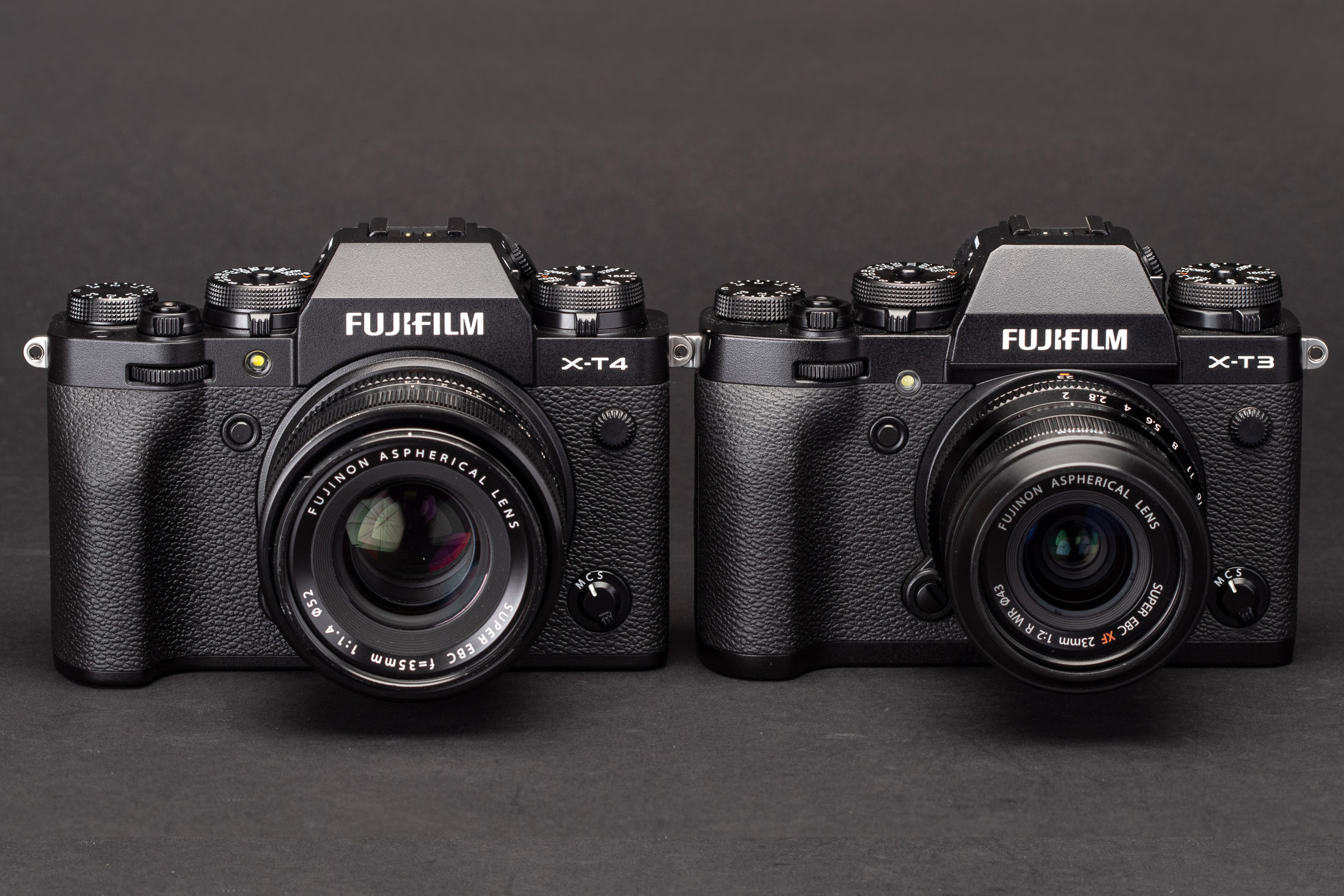
Fujifilm X-T4(CLICK TO EXPAND)
EDITORIAL ARCHIVE // SOURCE: INTERNET ARCHIVE
The Fujifilm X-T4 was born to serve the multi-platform content creation era.
- Valuable Upgrades: For the first time, the X-T series got 6.5 stops of IBIS and switched to the large NP-W235 battery (over 500 shots).
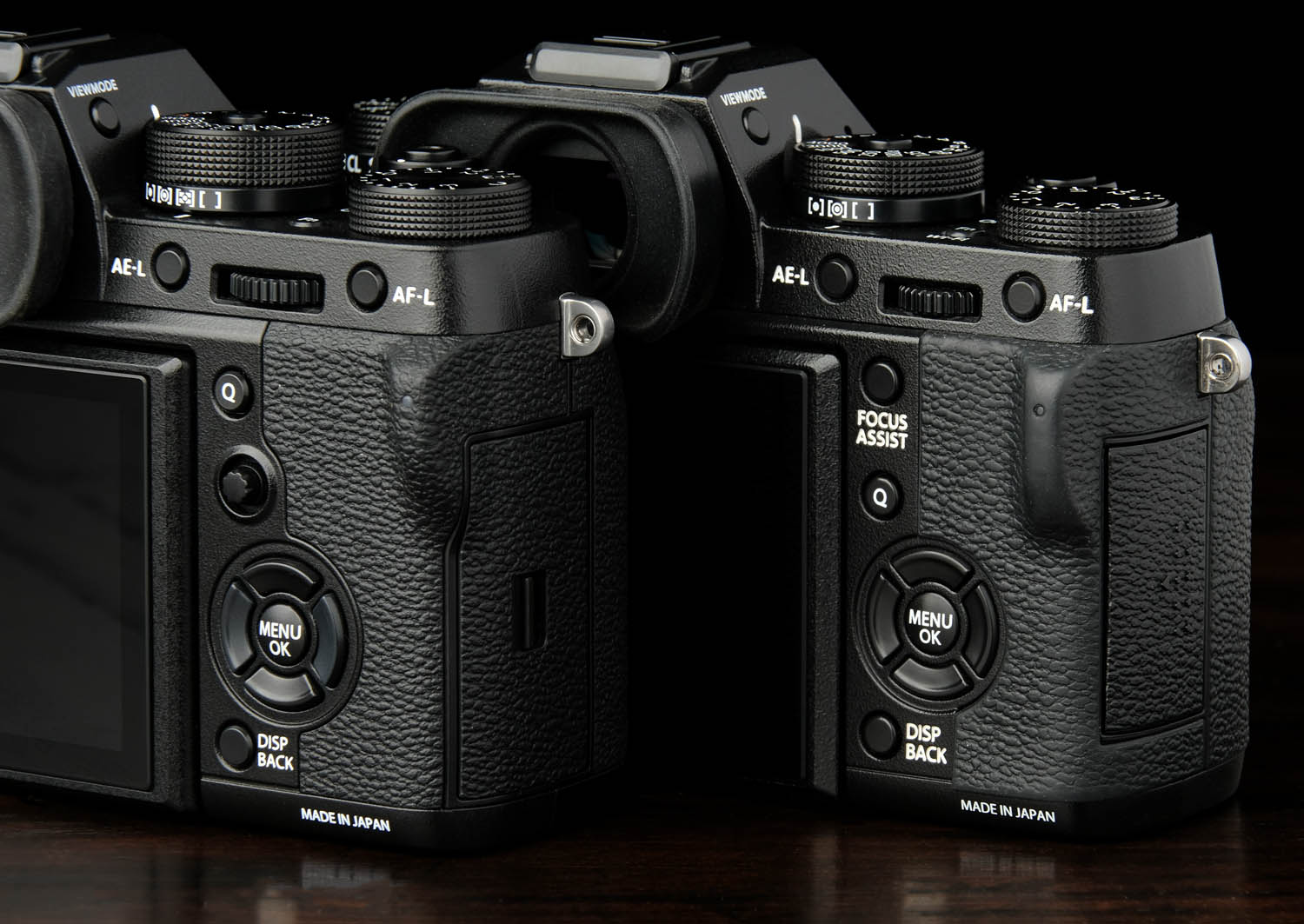
- Fully Articulated Screen: This is the most divisive point in the community. Vloggers, YouTube Shorts, or TikTok Reels creators absolutely love it because they can film themselves. But photographers hate it because flipping it out takes time and makes the camera bulky.
4. Fujifilm X-T5: The Return to Photography Roots
Fujifilm X-T5 Body(CLICK TO EXPAND)
EDITORIAL ARCHIVE // SOURCE: INTERNET ARCHIVE
Listening to users, the X-T5 (2022) reverted to the 3-way tilt screen mechanism, keeping the camera compact on the shooting axis (very convenient for low-angle shots or candid street photography without drawing attention).
- Massive Power: A sharp 40.2MP sensor, powerful 7 stops IBIS, and a slightly more compact design than the X-T4.
- Who Should Buy: Street, portrait, and landscape photographers demanding high resolution for large prints or heavy cropping in post-production.
Practical Advice: Which Option for 2026?
Choosing gear depends entirely on the workflow and content format you pursue:
- You only focus on photography (Street, Landscape, Family) & have a moderate budget: Choose the X-T3. The current used price is too good for what the X-Trans 4 sensor offers. Put the difference into a high-quality Prime lens (like the 35mm f/1.4 or 23mm f/2).
- You are a Content Creator making multi-platform video/vlogs (TikTok, Reels, YouTube): It must be the X-T4. Its fully articulated screen and IBIS will save your continuous run-and-gun handheld shots.
- You are a professional Photographer needing the highest quality: Jump straight to the X-T5. The 40MP resolution, the latest film simulation system, and traditional ergonomic design will provide endless shooting inspiration.
Frequently Asked Questions (FAQ)
1. Which lens is best when first buying a Fujifilm X-T camera?
If you like compactness and often shoot street/portraits, the Sigma 56mm f/1.4 or Fujifilm XF 35mm f/1.4 are excellent choices in terms of sharpness and value. (Note: with the 40MP X-T5, you need newer generation lenses capable of resolving high details).
2. Is the Fujifilm X-T3 still good enough for professional work in 2026?
Absolutely enough. The 26.1MP sensor of the X-T3 is more than sufficient for printing wedding albums, events, or creating social media content. What you need to note is equipping 2-3 spare batteries because the camera's battery drains quite fast.
3. Why do street photographers prefer a Tilt screen over a Fully Articulated one?
A tilt screen (on X-T3, X-T5) allows you to flip it right on the lens axis in a split second. This makes operations fast and discreet. A fully articulated screen (X-T4) must be swung out to the side of the camera, drawing more attention and shifting the center of gravity.