Da Lat vs Sapa Cherry Blossom Season: Where to Capture the Best Photos?
Read more
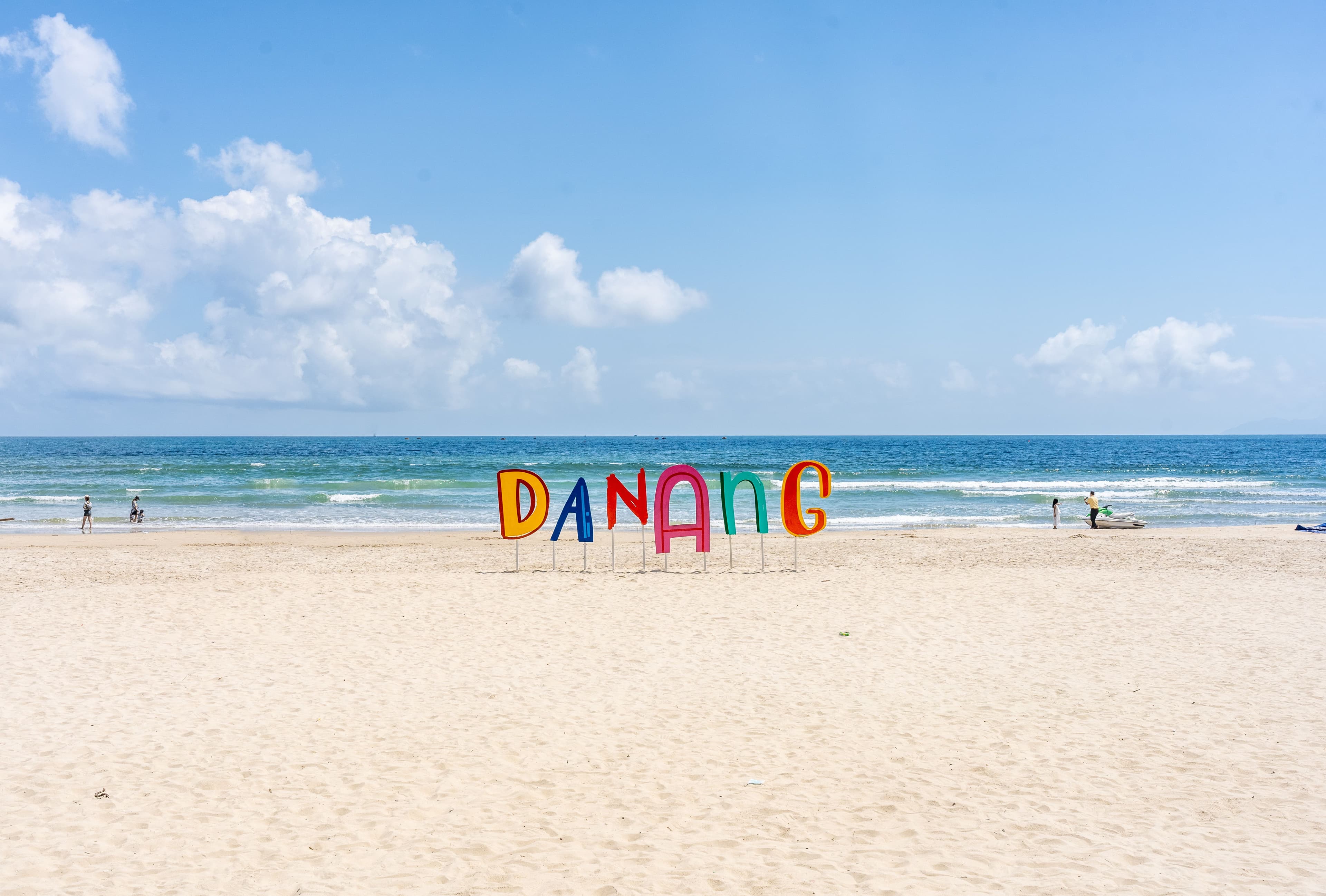
The internet has no shortage of endless Da Nang travel guides. But if you're like me—a travel enthusiast who despises the hustle and bustle, and always carries a camera to capture the cinematic frames of life—then most of those articles lack one crucial element: Aesthetic focus and visual optimization.
This isn't just an ordinary Da Nang travel guide. Based on real-world experience and a content creator's perspective, I've compiled an itinerary that ensures you get a proper vacation while returning with a memory card full of cinematic shots.
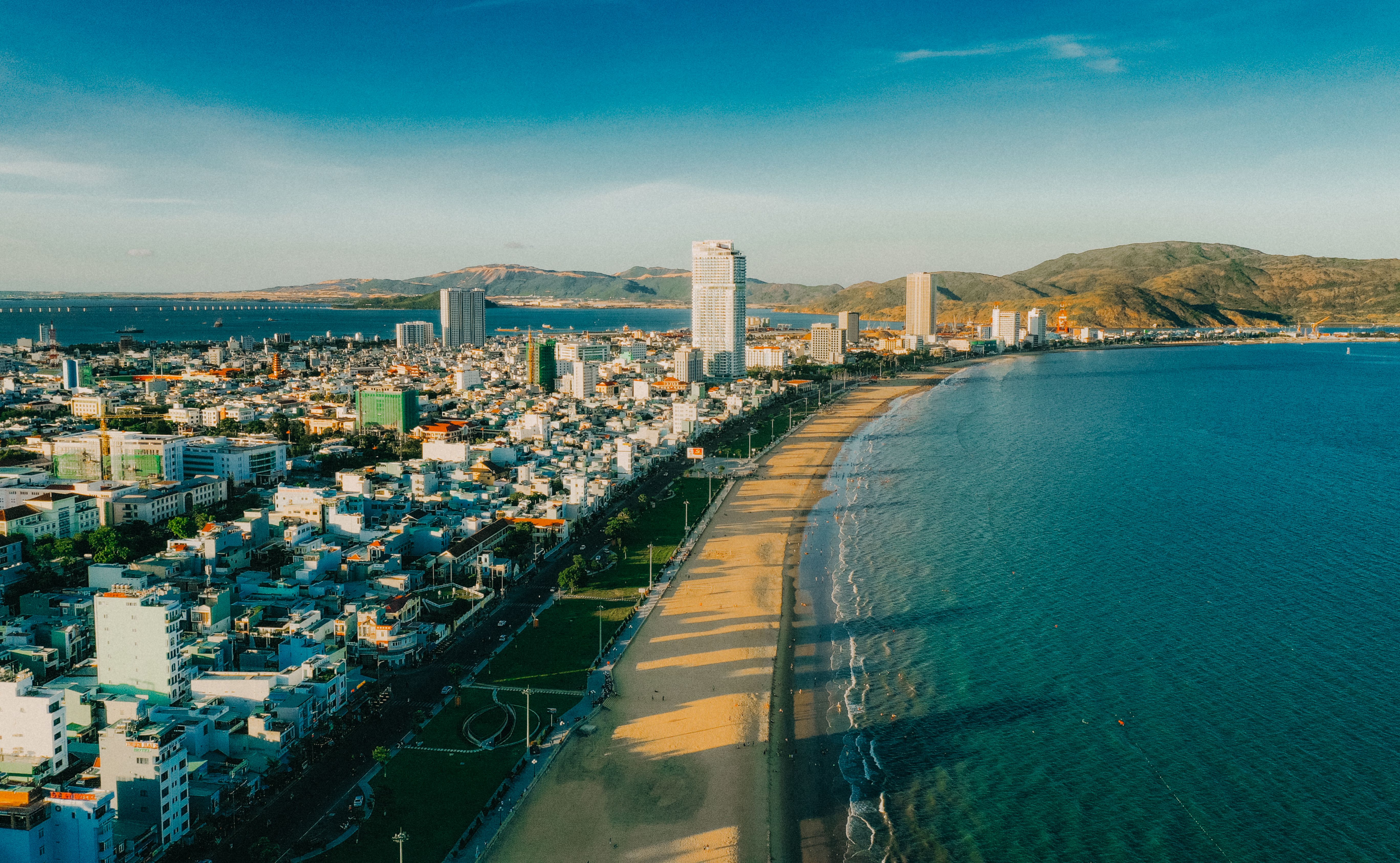
In reality, Da Nang is an incredibly "friendly" city for solo travelers. The combination of excellent transport infrastructure, the blue sea embracing the city, and pristine forests right next door creates a layered spatial depth for any photograph.
You can wake up to a sunrise on the ocean, hike into a primeval forest by noon, and do long exposures of the bridges across the Han River at night. Very few cities in Southeast Asia pack this much topographical variety within a 30km radius. Just like when I compared the best cameras for vlogging, Da Nang is nature's perfect "hybrid machine".
Da Nang is most beautiful during the dry season, from March to August. The weather is sunny with clear skies, making it perfect for using polarizing (CPL) filters to deepen the blue skies and ocean water.
| Season / Month | Weather Characteristics | Photography / Experience Focus |
|---|---|---|
| March - May | Beautiful sunshine, not too hot, calm sea. | The perfect time. Clear lighting, minimal fog, incredibly sharp wide landscape shots. |
| June - August | Intense sun, high temps, crowded. | Must leverage the "Golden Hours" (5 AM-7 AM and 4 PM-6 PM). Avoid midday shooting due to harsh shadows. |
| Sept - Feb | Rainy season, occasional storms, overcast. | Perfect for moody/cinematic vibes. Recommend bringing a transparent umbrella as a prop and waterproof gear bags. |
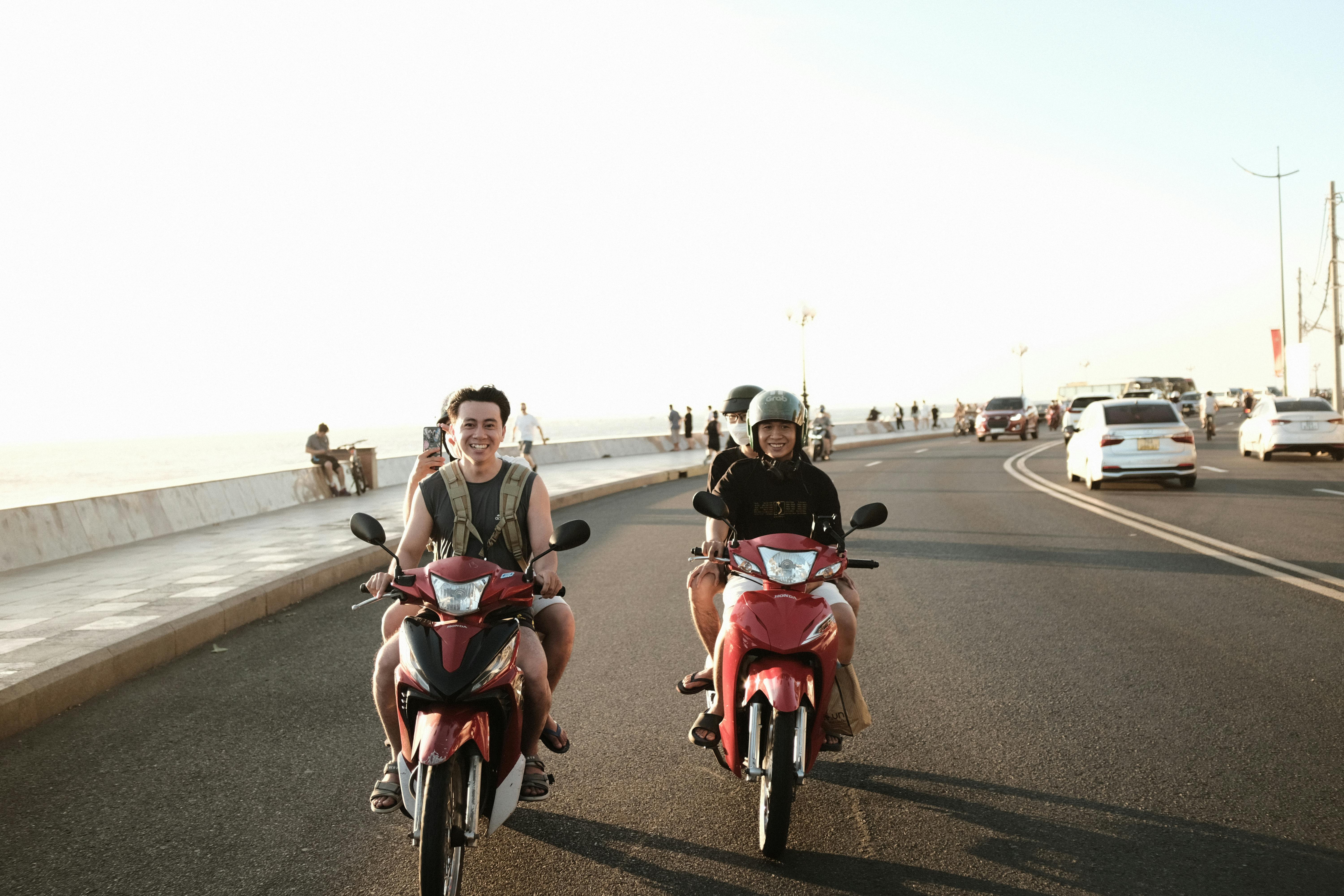
According to travel experts, renting a motorbike is the most popular and flexible option for young travelers, costing around 120,000 – 180,000 VND/day (Note: Prices may vary depending on the shop and season).
[!TIP] Pro Tip: If you're carrying a heavy camera backpack (body, 2-3 lenses, tripod), prioritize renting a scooter with a large trunk or flat floorboard. This ensures the safety of your gear when navigating steep areas like Hai Van Pass or Son Tra Peninsula.
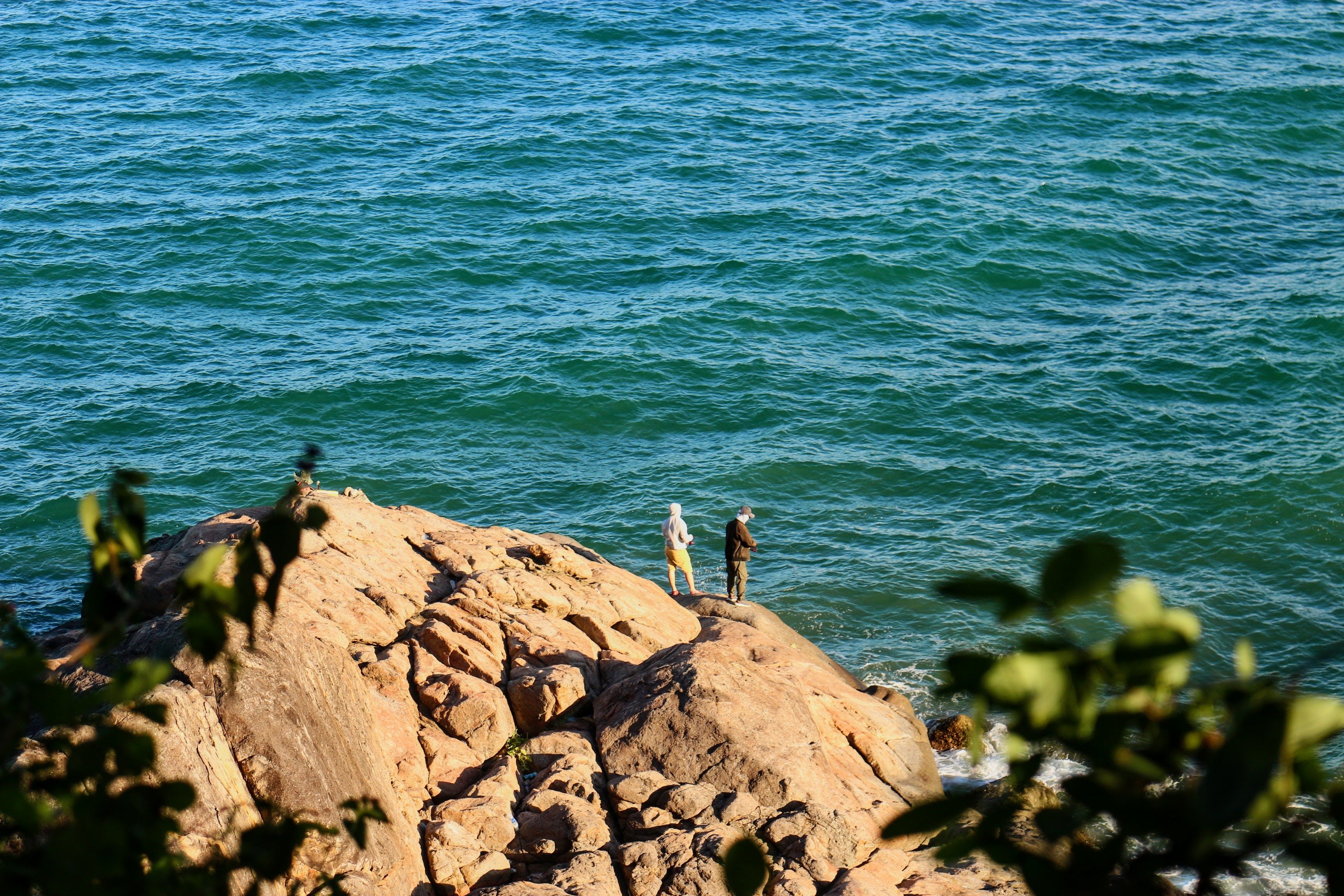

Instead of following a checklist, follow the light.
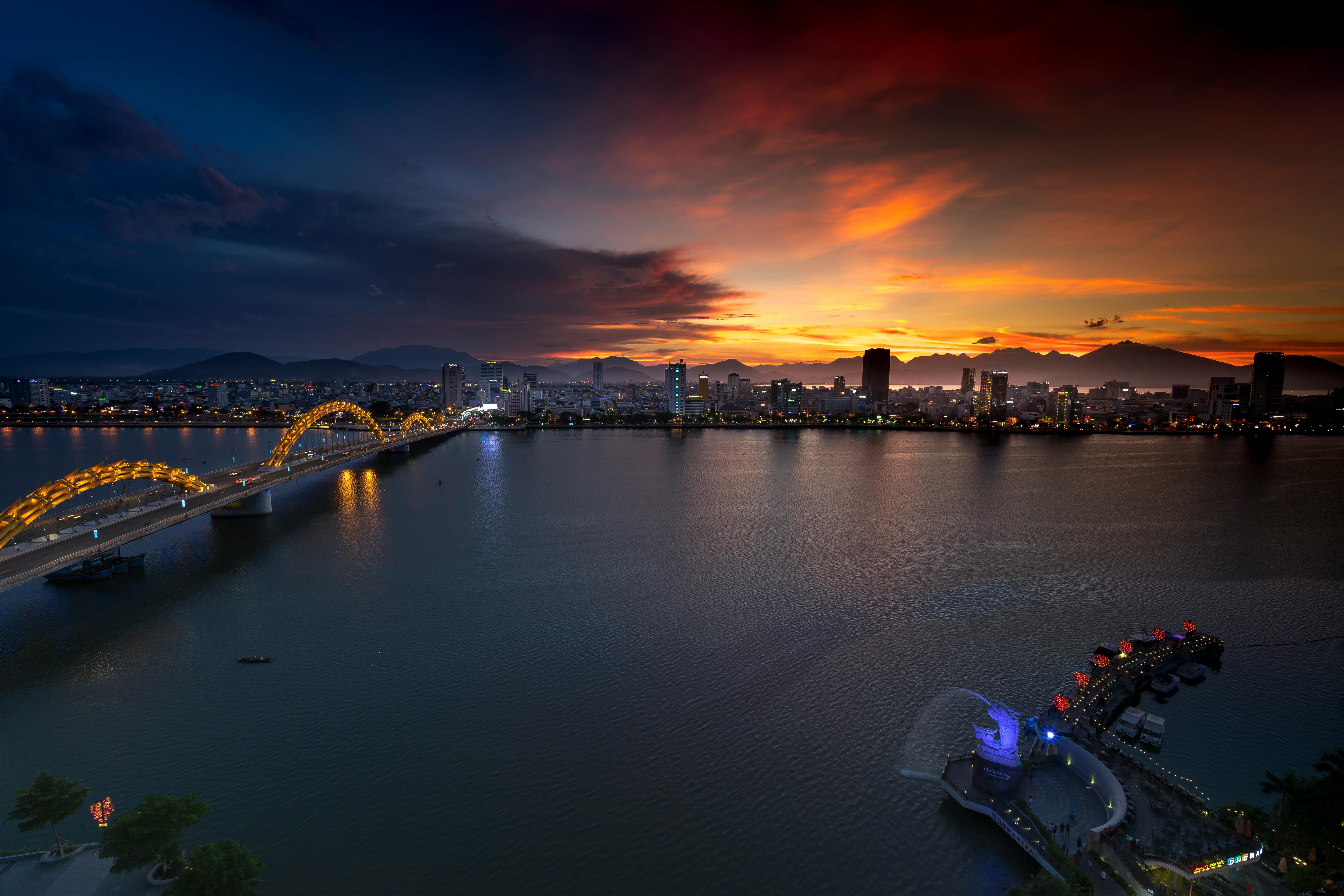
The Han River has more than just the Dragon Bridge breathing fire on weekends. The Tran Thi Ly Bridge with its cable-stayed system and the Thuan Phuoc Bridge are also architectural marvels.
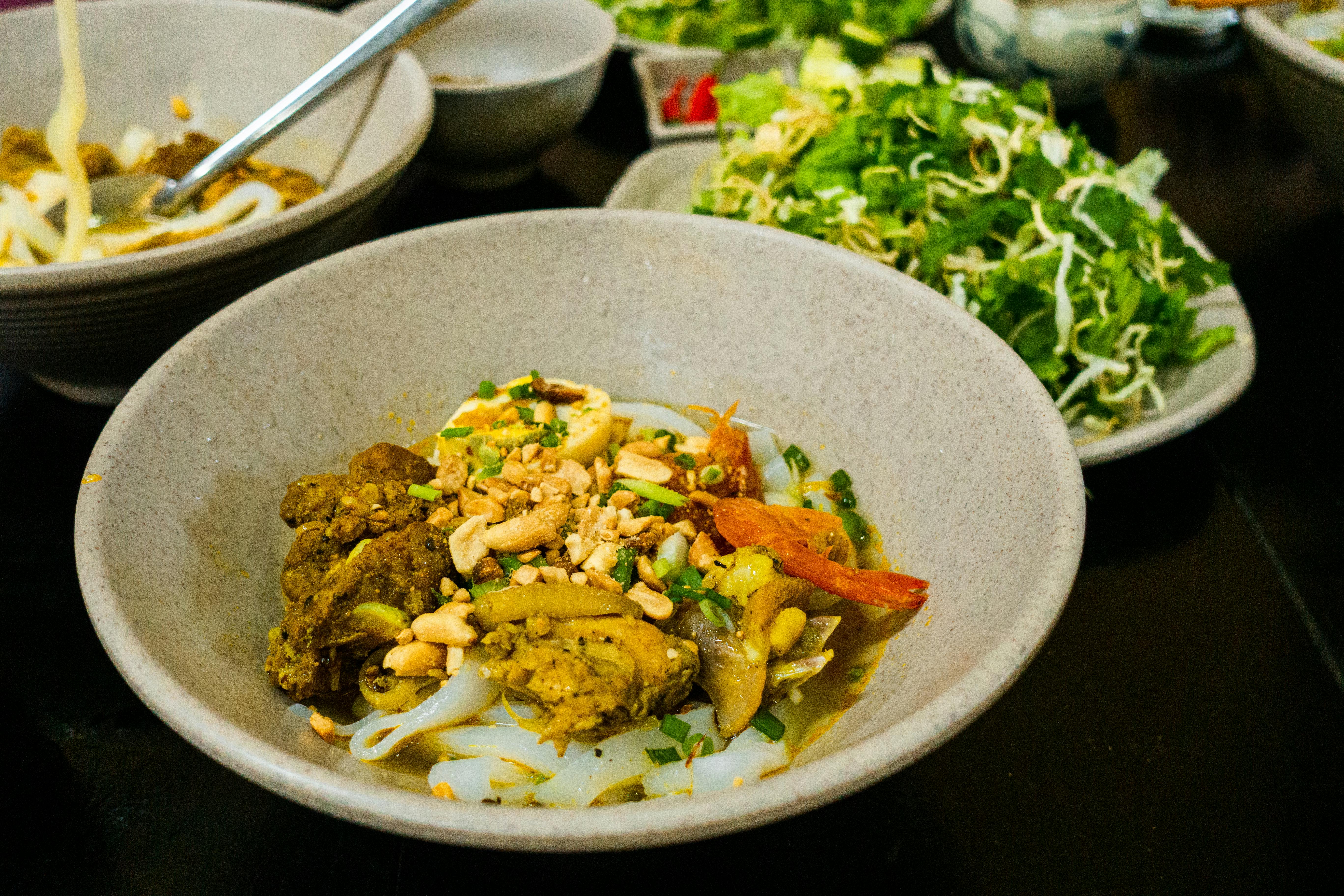
Based on experience in allocating time for photography, here is a framework you can reference:
[!NOTE] Estimated Budget for Solo Travelers The cost for a 3-day 2-night trip to Da Nang hovers around 5,000,000 VND/person (Adjust based on your actual spending style). Food and transport are incredibly cheap and high-quality if you venture into local residential areas.
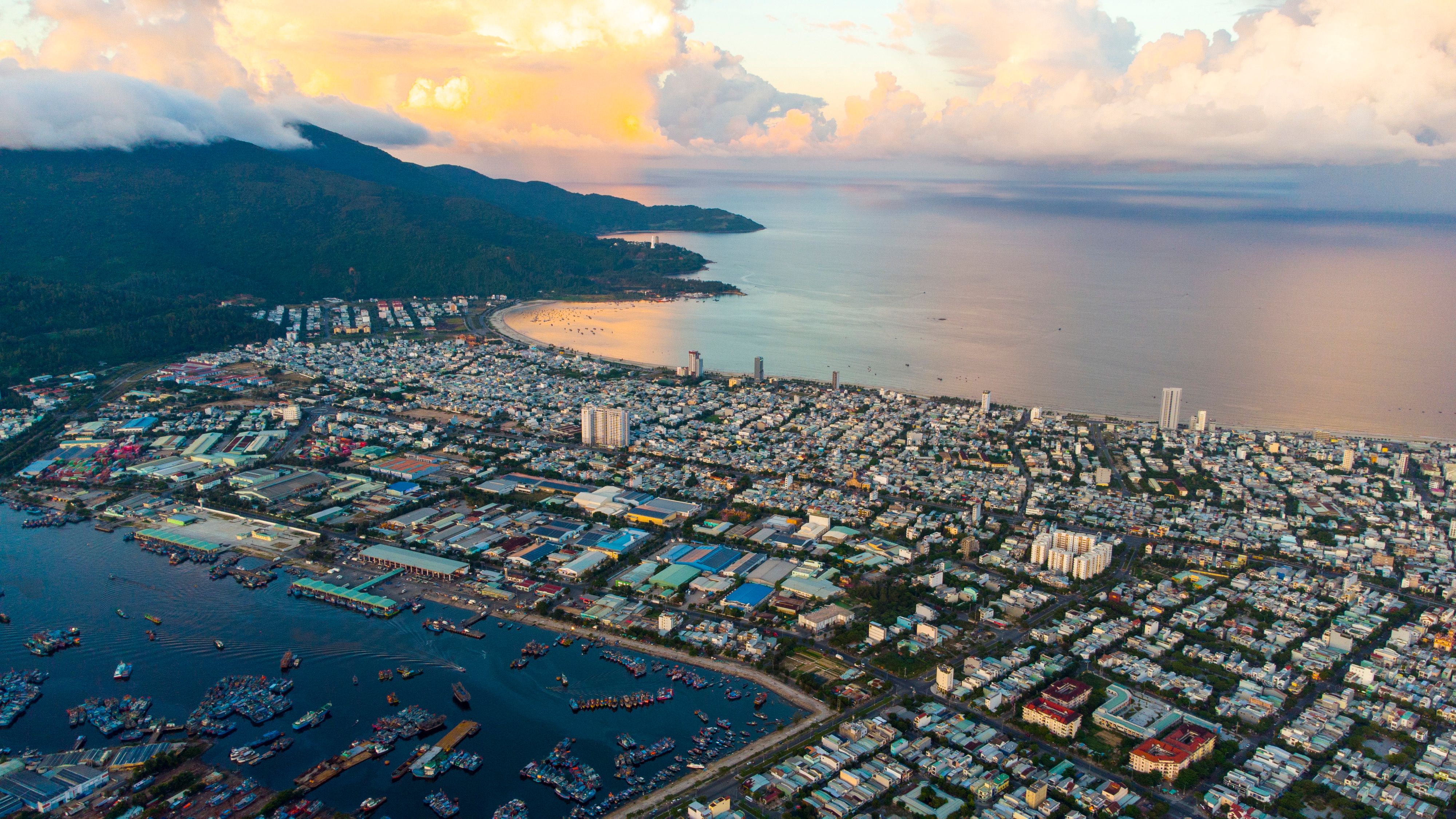
Da Nang never gets old; it only gets old if we follow the beaten paths. Equipping yourself with a clear independent travel guide, combined with a visual mindset, will help you reap much more than just a simple vacation.
A Gift for You: To help your Da Nang beach photos look clearer and more vibrant, I've packaged a "Da Nang Blue" Lightroom Preset entirely for free. Click the link in my Bio to download it!
Which season is best for photography in Da Nang? March to May is the perfect time due to clear skies, minimal fog, and sunlight that beautifully highlights the ocean colors and greenery.
Do I need to rent a motorbike in Da Nang? Highly recommended. Da Nang's traffic is spacious. Renting a motorbike gives you the freedom to chase the light and navigate into hidden photo spots.
How do I photograph the Dragon Bridge without crowds? Instead of standing directly on the bridge, walk down to Tran Hung Dao street or stroll along the Han River embankment, using a telephoto lens (70mm-200mm) to compress the space.