Top Most Beautiful Camping Spots in Vietnam: A Practical 3-Region Guide
Read more

Most people look for reasons to travel when the daily grind starts to feel monotonous. Travel is often associated with spending money to buy temporary relaxation. However, the core value of traveling goes far beyond check-in photos or a few days without checking emails.
From the perspective of behavioral science and practical experience, every trip is a process of cognitive restructuring and expanding an individual's capacity for living.

When living in a familiar space for a long time, the brain automatically switches to an "energy-saving" (autopilot) mode. You walk the same path, meet familiar faces, and react to problems following a predetermined pattern.
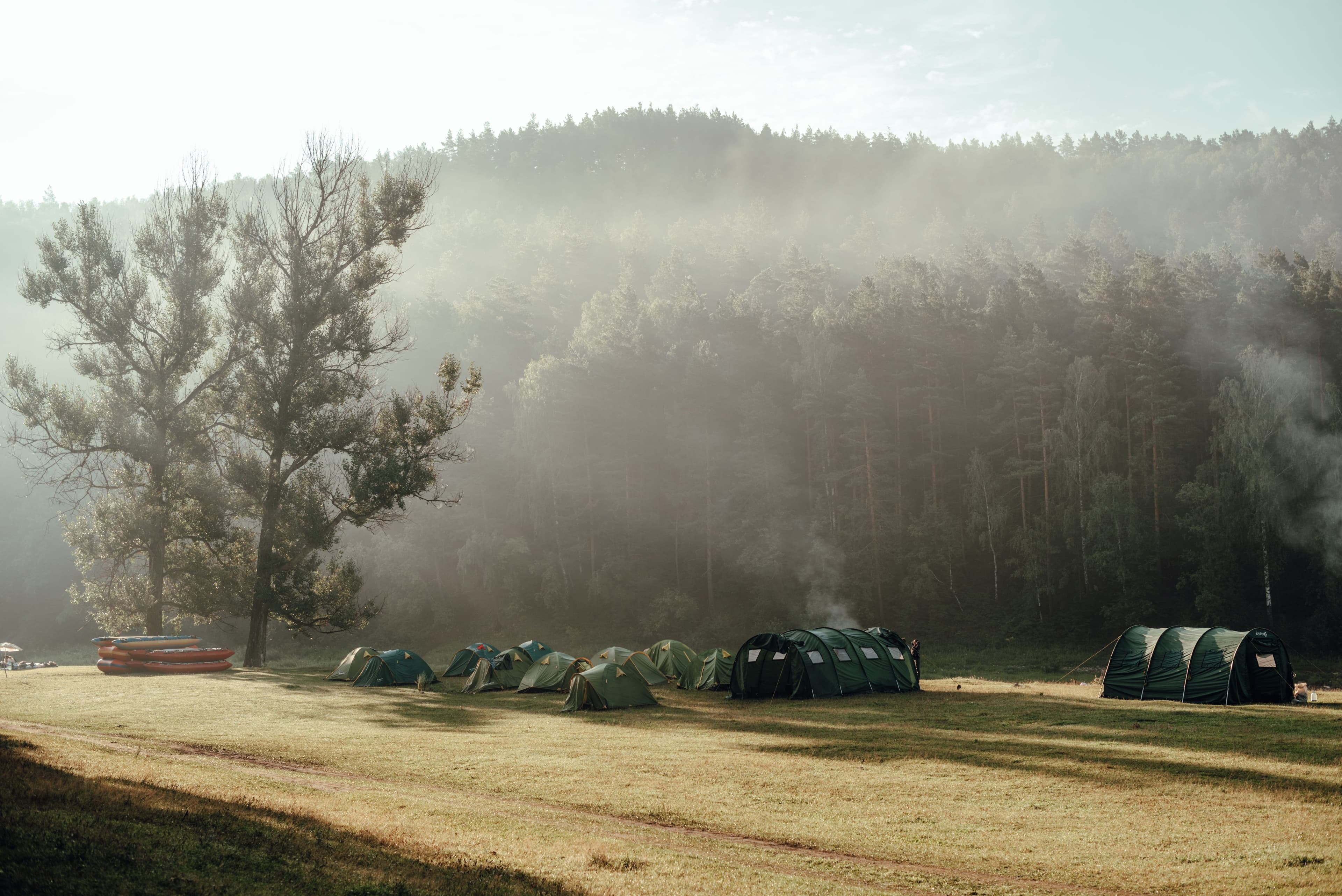
(Reference: To truly "change the atmosphere" on a weekend, instead of staying cooped up in a hotel, try grabbing a cheap travel camera and immersing yourself in nature at the Best Camping Spots in Vietnam.)
The most perfect plan on paper can always be overturned by a delayed train, a sudden downpour, or a language barrier.
The ability to stay calm and find alternative solutions when falling into undesirable situations in a strange place is the most practical exercise for problem-solving skills in life and work.
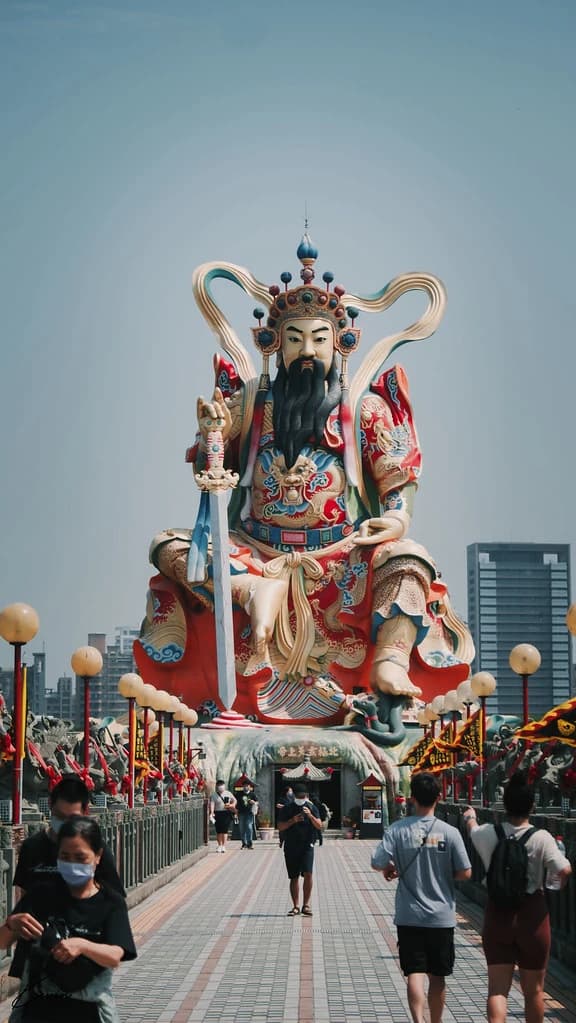
Reading books or watching movies about a land only provides an indirect perspective. True empathy only emerges when you sit and eat at a local sidewalk stall, observe the slow pace of life of the indigenous residents, or converse with people who have completely opposing worldviews to yours.
Travel pulls you out of your personal cognitive bubble, helping you realize that your standard of living is not the sole benchmark of the world.
For example, when photographing the golden season in Mu Cang Chai, you don't just bring back beautiful photos, but also witness firsthand the genuine life of the H'Mong people in the Northwest highlands.

For knowledge workers or content creators, creative burnout is often the consequence of a lack of new data input.
| Criteria | Passive Vacationing | Deep Experience Travel |
|---|---|---|
| Main Purpose | Immediate physical recovery | Mindset recreation and enriching life capital |
| Level of Interaction | Enclosed in resorts/all-inclusive services | Immersion with local life and nature |
| Residual Value | Fatigue gone for a few days | Long-term shift in perspective and thinking |
| Level of Proactivity | Low (following a pre-set schedule) | High (self-observation, flexible adjustments) |
Does traveling really help solve work pressure? Travel doesn't make the workload disappear, but it helps you detach from the stressful environment to look at the problem from a distance, helping you regain clarity when you return.
Should I travel alone (solo travel) or with a group? Traveling alone maximizes independence and time for inner dialogue. Traveling with a group cultivates connection and creates shared memories. Both forms offer value depending on your psychological needs at any given time.