If you are looking for a land where all your senses are awakened at 5 AM, the Mekong Delta floating markets are the answer. The roar of engines tearing through the fog, the echoing calls of merchants, the fragrant aroma of hot noodle soup, and the golden morning light reflecting off boats laden with pineapples and watermelons.
This article is not for those who like to "sleep in" or seek absolute silence. This is a practical guidebook for travelers who want to experience the most authentic river life and bring home emotionally rich photographs.
Comparing the 3 Floating Markets: Where Should You Go?
Not all floating markets are the same. From an experiential and visual perspective, each has its own distinct "personality":
-
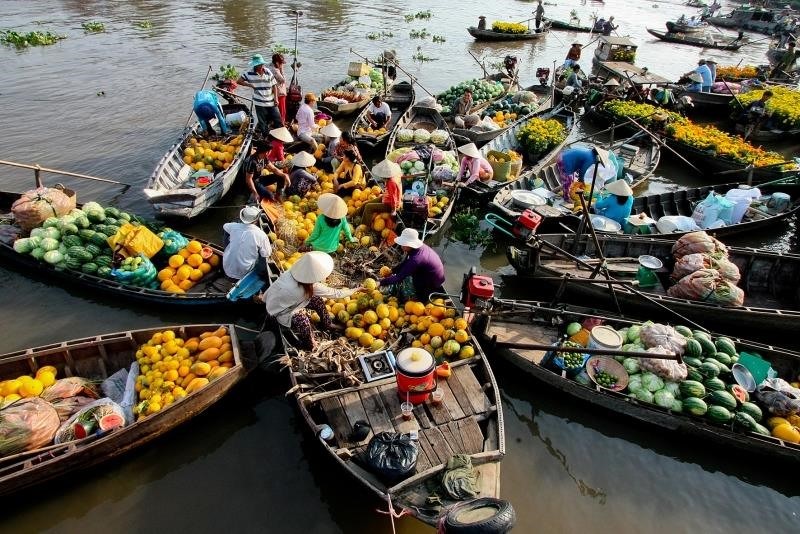
Cai Rang Floating Market (Can Tho): The largest and most bustling. This is a wholesale agricultural market. The pros are its high accessibility and good services. The con is that it is quite commercialized and crowded with tourists. Suitable for first-time visitors.
Cai Rang Floating Market(CLICK TO EXPAND)
EDITORIAL ARCHIVE // SOURCE: INTERNET ARCHIVE
-
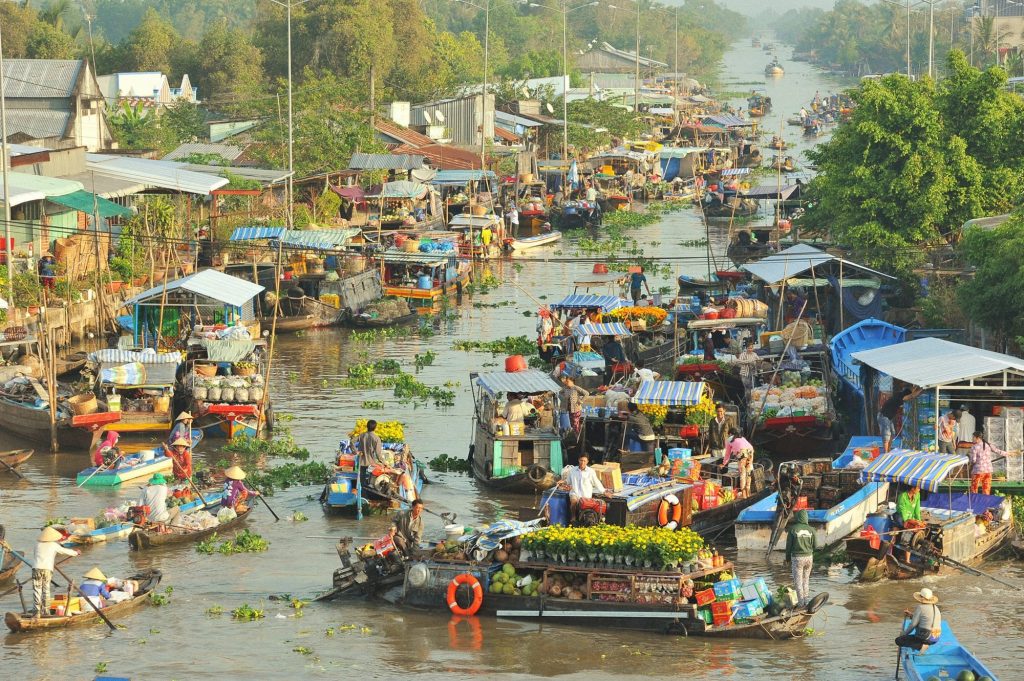
Phong Dien Floating Market (Can Tho): Located further from the center of Can Tho. Unlike Cai Rang (mostly wholesale), Phong Dien focuses more on retail, with small hand-rowed boats weaving through. The scene is much quieter and nostalgic. Ideal for street photography.
Phong Dien Floating Market(CLICK TO EXPAND)
EDITORIAL ARCHIVE // SOURCE: PEXELS
-
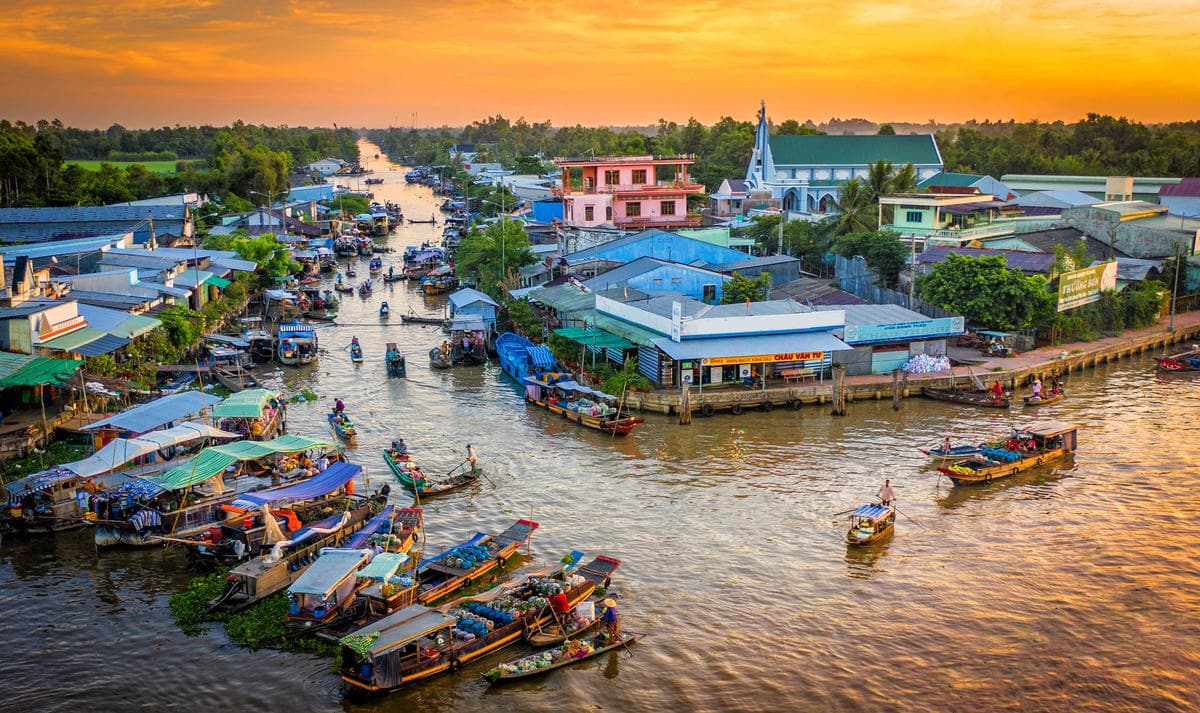
Nga Nam Floating Market (Soc Trang): Located at the intersection of 5 river branches. It is the least commercialized, retaining its pristine charm. It requires traveling further, but in return, you get a 100% authentic experience.
Nga Nam Floating Market(CLICK TO EXPAND)
EDITORIAL ARCHIVE // SOURCE: INTERNET ARCHIVE
The "Golden Hour" to Experience and Shoot
[!WARNING]
The floating market does not wait for late risers.
To witness the most bustling trading scene and capture the most beautiful "Golden Hour" light of the day, you must be on a boat by 5:30 AM.
The time frame from 5:30 to 6:30 AM is when dawn breaks and fog still lingers on the Hau River, creating wonderful diffused light for portraits of merchants. By 7:30 AM, the sun gets harsh, shadows become strong, and the market gradually disperses.
Boat Rental Experience: Optimizing the Experience, Avoiding Tourist "Traps"
Do not buy tickets for large boats (carrying 20-30 people) from tour companies if you want to freely take photos and eat. Large boats cannot navigate deep into the clusters of agricultural boats, and you will only be able to watch from a distance.
Practical Tips:
- Rent a small boat (vỏ lãi): Go to Ninh Kieu Wharf (or Cai Rang boat station) early in the morning, directly look to rent small boats that can carry 4-6 people.
- Reference Price: Around 300,000 VND - 500,000 VND/boat depending on the duration and your negotiation skills. (Note: You should clearly agree on the price and itinerary before boarding).
- Crucial Tip: Clearly communicate with the boat driver: "I want to go deep into the market, pull up next to food boats, and weave through to take pictures, please go slowly for me". They are usually very enthusiastic if you state your needs clearly from the beginning.
Floating Culinary Culture: What to Eat on the Bow of a Boat?
It would be a huge miss to visit a floating market without having breakfast. The "mobile restaurants" on small boats serve everything:
-
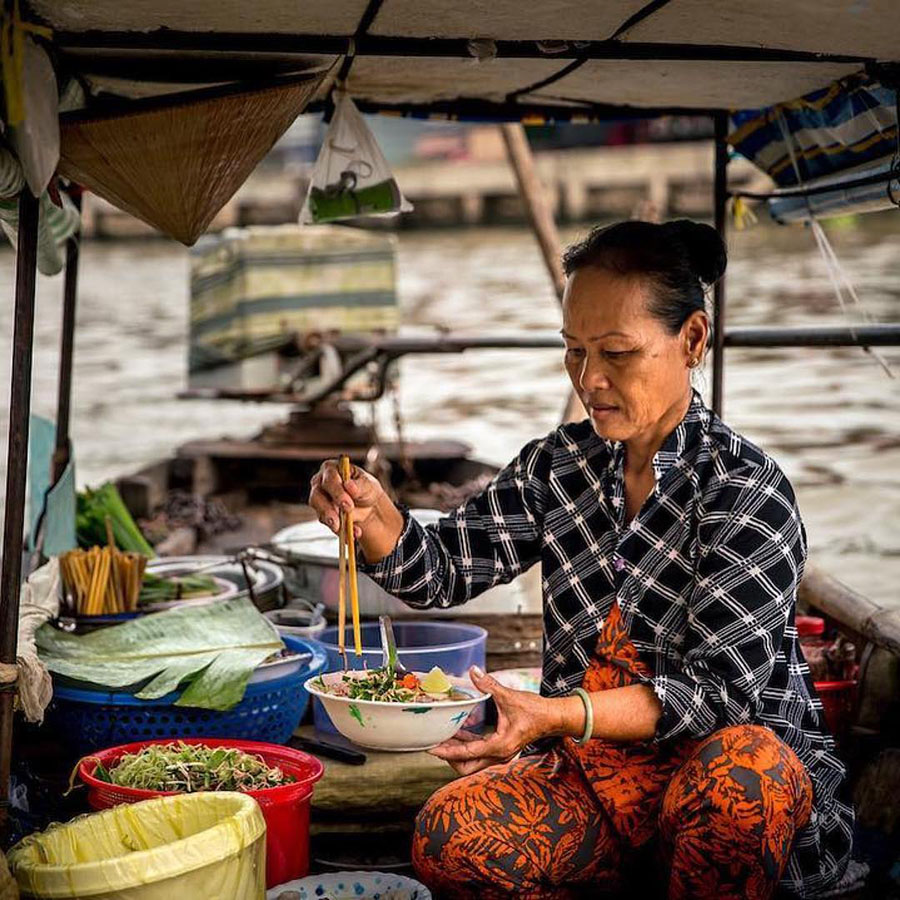
Bun Rieu, Hu Tieu, Banh Canh: Slurping a hot bowl of broth while rocking on the river is an indescribable feeling.
Noodle soup on a boat(CLICK TO EXPAND)
EDITORIAL ARCHIVE // SOURCE: INTERNET ARCHIVE
-
Braised Coffee (Cà phê kho) / Net Filter Coffee: A specialty drink. The clinking of glass cups, the smell of steaming coffee mixed with condensed milk amidst the morning mist is a must-try experience.
Ca phe kho(CLICK TO EXPAND)
EDITORIAL ARCHIVE // SOURCE: INTERNET ARCHIVE
-
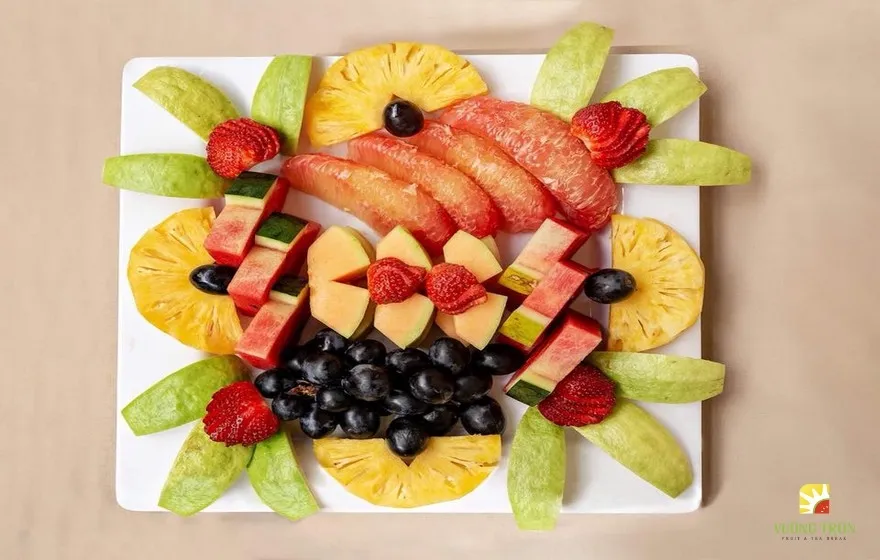
Fresh Fruit: Buy directly from the agricultural boats. Look up at the
"Cây bẹo" (a bamboo pole hanging the goods that boat is selling) to know what they offer.
Cay beo(CLICK TO EXPAND)
EDITORIAL ARCHIVE // SOURCE: INTERNET ARCHIVE
Practical Photography Tips at the Floating Market
Floating market street photography(CLICK TO EXPAND)
EDITORIAL ARCHIVE // SOURCE: INTERNET ARCHIVE
As a visual creator, going to the floating market requires maximum flexibility:
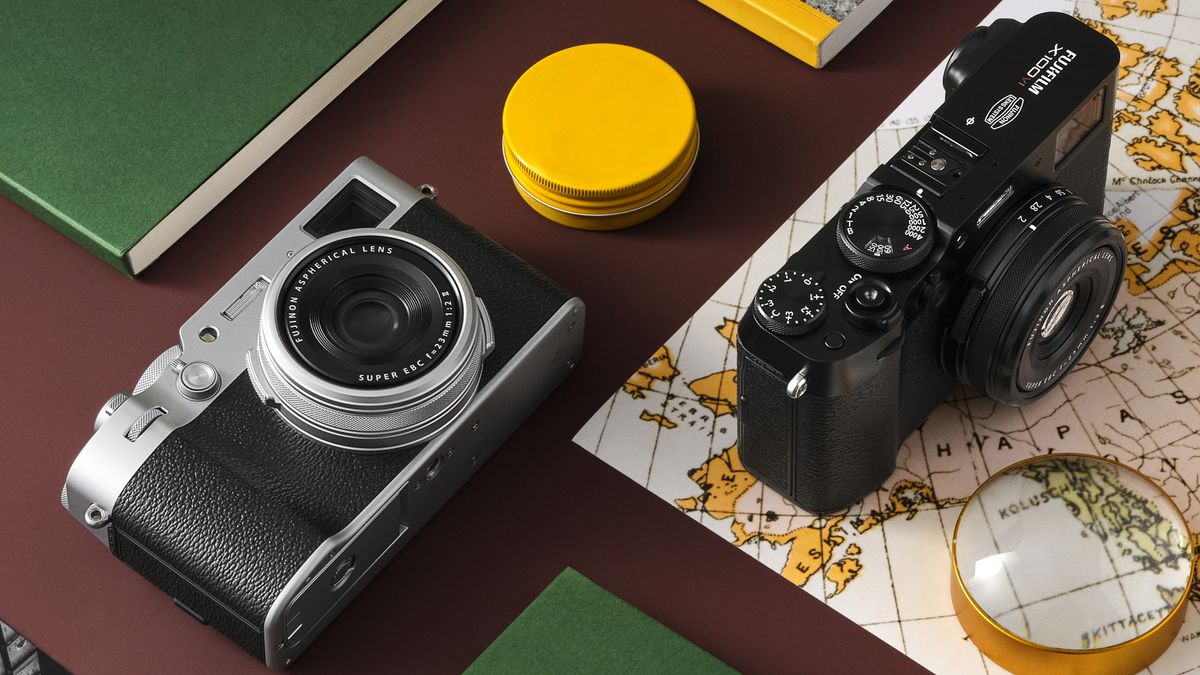
- Gear: Do not bring too many lenses to avoid dropping them when switching lenses on a rocking boat. A versatile lens (like a 24-70mm) is perfect for both wide shots of the bustling market and zooming into the details of hands swiftly rowing the boat.
- Aperture & Shutter Speed: The water is always moving. Keep your shutter speed fast enough (minimum 1/250s - 1/500s) to freeze every moment without blurring due to the rocking boat.
- Interact to Create Authenticity: Don't just point your camera at people's faces. Buy a cup of coffee, ask the merchants a few friendly questions; their natural smile is the most priceless photo you can get.
Frequently Asked Questions (FAQ)
What time does Cai Rang Floating Market open?
The floating market does not have fixed opening hours but is busiest from 5:00 AM to 7:30 AM. You should be there at 5:30 AM to watch the sunrise and not miss the most crowded trading scene.
What is the best season to visit the floating market?
The Mekong Delta can be visited year-round, but the best time is the flooding season (September - November) or the months near Tet (Lunar December - January) when boats are fully loaded with ornamental flowers and watermelons.
How do I know what each boat is selling?
Mekong Delta people have the "Cây bẹo" culture. They will stick a long bamboo pole at the front of the boat and hang the agricultural products they sell on it (e.g., hanging jicama, pineapples, cabbage). Whatever is hanging on the pole is what that boat is selling.